
Restaurant TikTok adsseven seconds at a time
One shoot day at your restaurant becomes weeks of short vertical clips, posted five times a week. The ones your neighbors watch get the ad money.
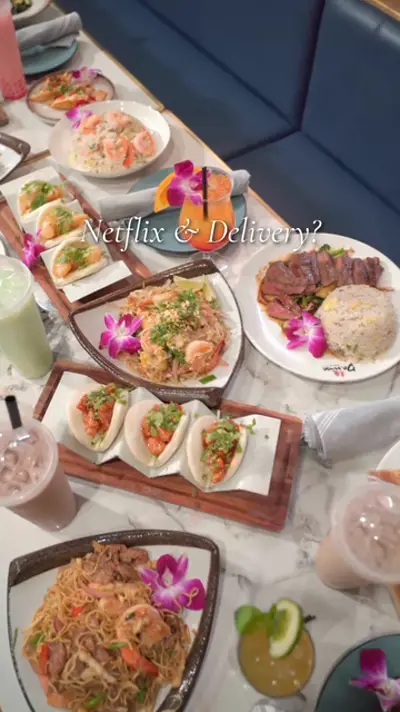
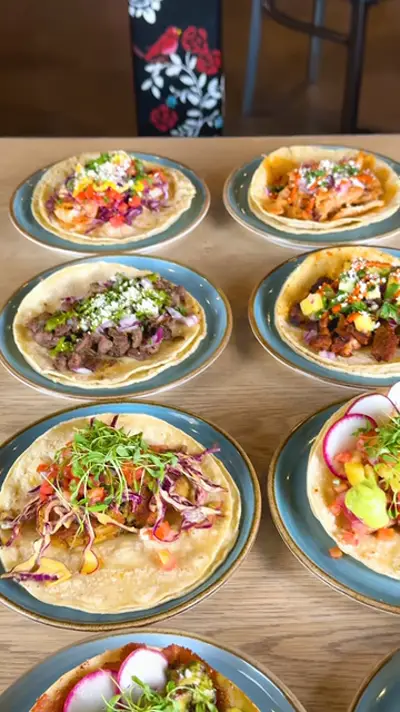
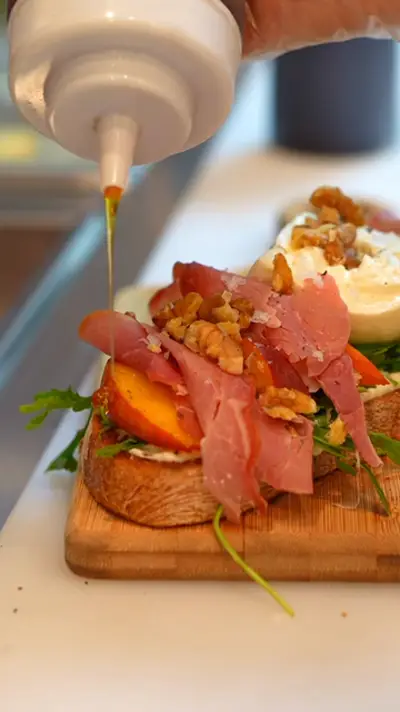
Three clips, three first frames.
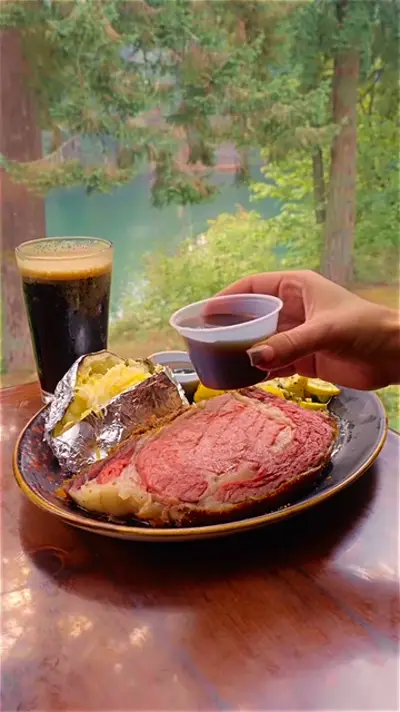
The opening frame of three vertical videos our team filmed and cut for restaurants. Each one starts on the food, because the first second decides whether anyone stays.
Somebody saw your food. Then what?
A clip of your dish can reach thousands of phones. Most restaurants lose the viewer somewhere between the video and the door.
The first second is wasted
The video opens on a logo, a sign or an empty room, and the viewer has swiped away before the food appears.
Nobody can tell what it was
No dish name and no neighborhood on screen, so the person who wants it cannot find it again.
Posting stops in week three
Filming during service is nobody's job, so the account posts every day for a while, then goes silent.
They remember the dish, not your name.
A guest who saw a plate in a video often asks an assistant to find it, describing the food and the area. If your clips never named either, the answer points somewhere else.
- 1.The taqueria on Main StreetStreet tacos and a salsa bar, open for lunch.
- 2.The cantina by the train stationBirria tacos, a patio and margaritas.
- 3.The food hall downtownA taco counter among a dozen stalls.
Seven seconds, planned before anyone picks up a camera
A restaurant clip that works on TikTok usually runs about seven seconds, and almost none of it is improvised. It starts as a line on a shot list written from your menu: which dish, which moment, which angle, and what the words on screen will say. We build that list from your best sellers and the things only your kitchen does, then plan two or three short shots for each clip. Each shot lasts three to five seconds, the length our content playbook uses to stop a thumb, and together they make one short video with a start, a middle and a reason to come in.
Planning first matters more on TikTok than anywhere else, because the app decides fast. A viewer gives a video a moment before swiping, and the app pays attention to what they do with that moment. A clip that opens on a logo, a slow pan of a room or someone saying hello has already lost them. A clip that opens on a pour, a pull or a flame has earned another second, and every second it holds tells the app to show it to more people like that viewer.
The shoot day behind a month of clips
One visit does the filming. Our videographers and creators arrive with the shot list and film hundreds of clips of the food, the drinks, the room and the staff. The shoot is usually on the calendar within 7 to 10 days of starting. Nobody on your team holds a phone during service, and you never have to be on camera yourself. Staff who want to be filmed can be, and that is their choice, not a requirement.
A shoot built for TikTok looks different from a photo shoot. The camera is held vertical from the first shot, because a wide frame cropped down to a phone loses the edges of the plate. Shots are close and they move: the hand that lifts, the sauce that drips, the bun that tears. Every moment is filmed more than once, so the editors can pick the take where the cheese stretches at the right speed and the steam is still rising.
Second by second: how one clip is cut
Take a table of tacos, like the first reel in the gallery above. The edit follows a shape our editors use for most dishes and adjust to the food in front of them:
- Second 0 to 1: the plate is already on screen and already moving. No logo, no title card, no empty dining room.
- Seconds 1 to 3: the closest shot, the one that makes someone hungry. A squeeze of lime, a drip of salsa, a crunch.
- Seconds 3 to 5: the name of the dish and the neighborhood appear as text, big enough to read with the sound off.
- Seconds 5 to 7: a wider shot of the table or the room, so the viewer sees where they would be sitting.
- The last frame: close to the first one, so the clip loops cleanly for anyone who keeps watching.
Words on screen, the sound and the caption
Plenty of people scroll with the sound off, so the words on screen carry the message: the dish, the place, sometimes the day it is served. The delivery clip at the top of this page does it with one short question laid over a table of noodles, shrimp, tacos and steak, asking whether tonight is a night in with delivery. That line tells a viewer what the video is for faster than any voiceover, and it gives them a plan for tonight in the same moment.
Sound comes second. Our editors add music that matches the rhythm of the cut, not a sound borrowed from a dance trend that has nothing to do with food. The caption under the clip names the dish and the neighborhood again and tags the location, which helps a person who later searches for that dish find the video. Hashtags matter far less than plain local words in the caption and on screen.
See how you come up on Google and in AI search, next to the places near you. Free, ready in minutes.
Five posts a week, then money behind the winners
Finished clips go out five times a week across TikTok, Instagram and Facebook from one calendar, so a single shoot feeds all three apps. You see what is going out and when before anything is published. Steady posting does more than any one video: a neighborhood that sees your food several times a week starts thinking of you when it gets hungry. Our social media management covers that calendar in full.
On our larger packages, TikTok sits next to Instagram and Facebook, with posts five times a week and ads behind the clips that work. A clip always goes out as a regular post first. Within a few days the app shows whether people watched to the end, shared it and saved it. TikTok lets you put ad money behind a post you already published, keeping its views and comments, so testing as a post first costs nothing extra. Only the clips that earned real attention from people close enough to visit get that money. The 3X Advertising System is how we run the ad side.
Why a far-away audience is the wrong prize
TikTok's main feed is chosen mostly by what each viewer watches, not by who they follow, so a brand-new account can reach thousands of people with its first good clip. That is the opening for a restaurant with no following at all. It is also the trap. The app sends a clip to whoever is likely to keep watching, wherever they live, and a plate of noodles that plays well three states away fills nobody's tables. We judge a clip's reach by where its viewers are, and a clip that travels far without traveling near gets no budget.
What fills a room is less exciting than a viral week: the same few miles seeing your food again and again until coming in feels like their own idea. Our walk-ins guide explains that repetition. Smaller towns can do especially well, because fewer places compete for the same local screens; our system has run in towns of around 10,000 people. A new restaurant needs the whole neighborhood to hear about it fast, which our grand opening guide plans week by week.
From the clip to the table
A clip only starts the job. The viewer who likes it taps your profile, and what they find there decides whether they ever come. The profile needs your neighborhood in the first line, your hours, and one link that goes straight to a page where they can reserve, order or ask about a party. Pin your best clip to the top, so a new visitor sees the food before anything else.
The page behind that link is where most restaurants leak. If it takes four taps to find the menu on a phone, the clip did its work for nothing. The restaurant websites we build are made for that tap: the dish from the video, the booking button and the address on one screen. The same clips keep working there too, on the menu and the homepage, long after their week on the feed.
What we count, and what we never claim
A TikTok account can look like a success and sell nothing, so we report it the way we report every channel: reservations, online orders and walk-in visits, tied back to the campaign that brought them, shown next to the view counts rather than instead of them. Ask your staff to note when a guest mentions a video, and watch which dishes start getting ordered by name. When a dish from a clip starts selling out, that clip has earned more budget.
The results on our case studies page come from the whole system working together: one shoot, the same clips posted on three apps, and local ads behind the ones people watch to the end. TikTok is one of those apps, carrying clips that were already earning their place on the others, so every dollar behind a TikTok clip is backing something that has shown it works. Talk through TikTok for your restaurant on the growth call.
Everything one clip needs.
From the shot list to the ad behind it, handled by a team that also runs a restaurant.
A shot list from your menu
Built from your best sellers and the moments only your kitchen has, before the camera arrives.
Hundreds of vertical clips
Food, drinks, room and staff, filmed in one visit, with nobody asked to dance.
Cut to about seven seconds
Food in the first frame, the dish named on screen, music matched to the cut.
Five posts a week
TikTok, Instagram and Facebook from one calendar you see before it goes out.
Ads behind the winners
On our larger packages, the clips locals watch become ads aimed at the miles around you.
Counted in visits
Reservations, orders and walk-in visits from the campaign, next to the views.
Questions about TikTok for restaurants.
What owners ask us about TikTok before they start.
Does ION run TikTok ads for restaurants?
Yes, on our larger packages. TikTok sits next to Instagram and Facebook there, with posts five times a week and ads behind the clips that work. Ask on the growth call which package includes it for your restaurant.
How long should a restaurant TikTok video be?
For most dishes, about seven seconds, built from two or three shots of three to five seconds each. Short clips are easy to watch to the end and loop cleanly, and both of those tell the app the video is worth showing again. A longer clip works when there is a real process to show, like a dough being shaped, but the food still has to be on screen in the first second.
Do I have to be on camera or dance?
No. We film the food, the drinks and the room, and the clips work without anyone talking to the lens. Staff can appear if they want to. Nothing we post asks you to copy a trend that does not fit your restaurant.
What should a restaurant film for TikTok?
Your best-selling dishes in motion: the pour, the pull, the sizzle, the plate landing on the table. Name the dish and the neighborhood on screen. Show the room when it is full, and the kitchen when something is being made by hand. Skip anything that would look the same at any other restaurant.
How many TikTok posts does a restaurant need each week?
Our clients post five times a week, all from one shoot day, so nobody films during service. A fixed schedule matters more than volume. Daily posting that stops after three weeks does less than five steady posts a week for months.
Can the same videos go on Instagram and Facebook?
Yes, and they should. Vertical clips post to all three apps from one calendar, so one shoot does three jobs. Instagram is where many guests check a profile before booking, so the same footage earns its keep twice. See our Instagram ads page for that side.
How do I know if TikTok is bringing in guests?
Count what the campaign brings through the door, not views: reservations, orders and menu scans at the table. We look at those each month and switch off a clip that only collects views. Staff hearing "I saw you on TikTok" at the host stand is a good sign too.
Is TikTok worth it for a small-town restaurant?
It can be, because a small town has fewer places competing for the same screens. We have run our ad system in towns of around 10,000 people. The key is showing clips only to people close enough to visit. Local faces and familiar streets in the footage help too.
What does your first second show?
See what guests nearby find when they look you up today, then plan your first shoot day on a free growth call.
Or book a growth callWhich restaurant should we look at?
A free growth call with people who own a restaurant too. We map your first offer on the call.