
Restaurant Instagram adsbuilt on one weekly offer
One drink or dish, one day of the week, shot so the first second stops the thumb, and shown to the same few miles every week until it sticks.
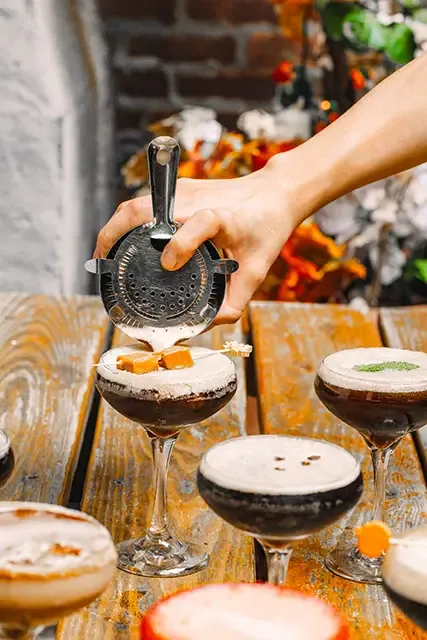
Sunday sales at our own beer garden went from $3,000 to $12,000 in eight weeks of promoting Espresso Martini Sundays.
One drink, one day of the week, promoted every week to the people nearby.
See the numbers
| Sunday sales | |
|---|---|
| Before | $3,000 |
| After 8 weeks | $12,000 |
One offer, shot to stop the thumb.
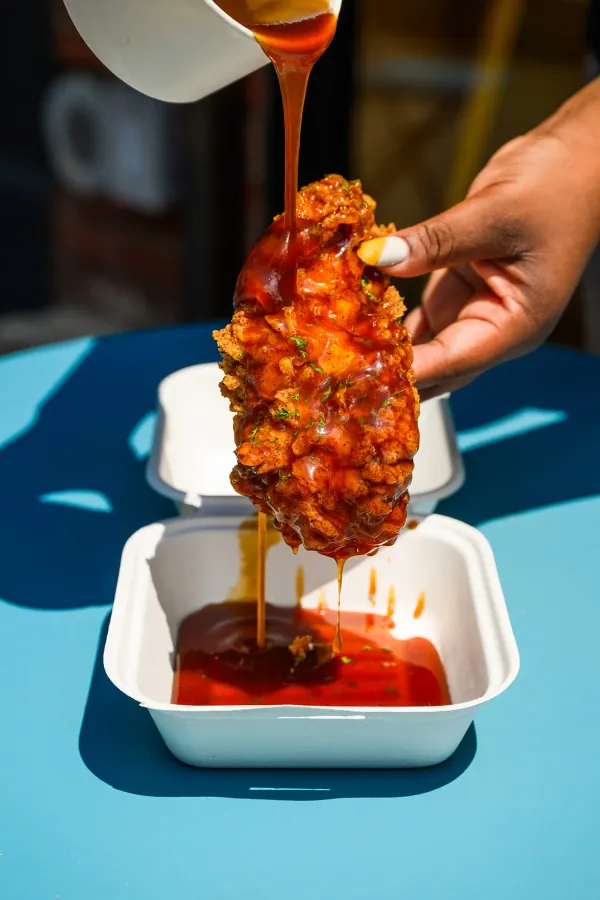
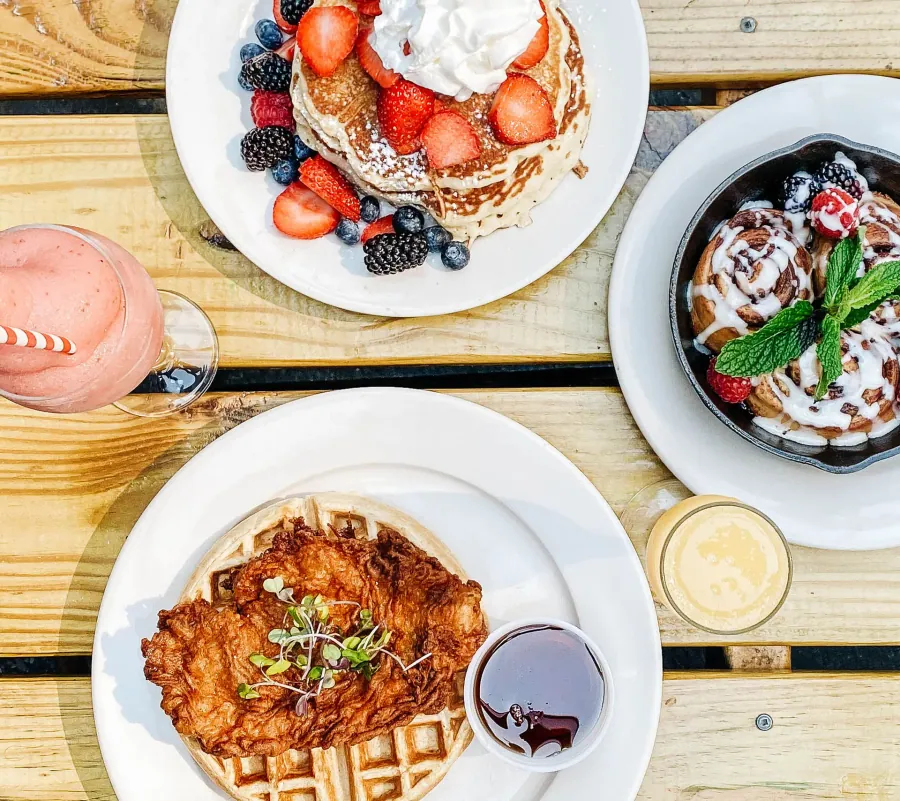
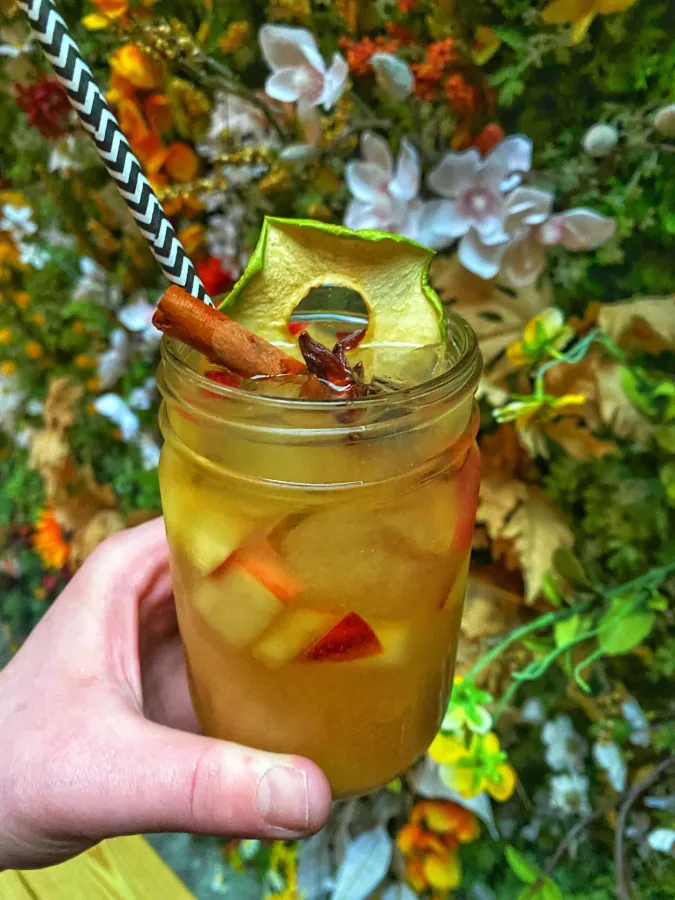
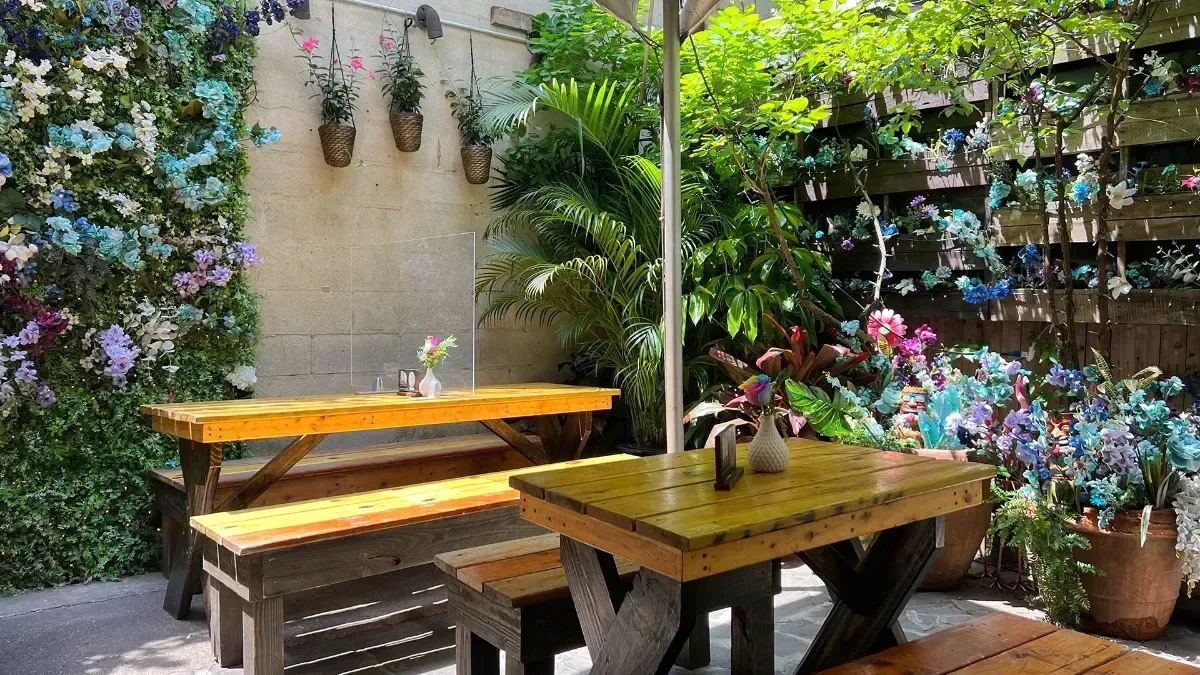
Frames from our shoots, the kind of shots a weekly offer is cut from: a pour, a spread and a seasonal drink.
Why one weekly offer beats a feed of everything
Most restaurant accounts advertise a little of everything: brunch on Monday, a new burger on Wednesday, trivia on Thursday. Each ad is gone before anyone remembers it. A weekly offer does the opposite. It ties one drink or dish to one day, says the same thing every week and gives the people nearby a reason to put that day on their calendar.
At our own beer garden in New York, the offer was Espresso Martini Sundays. Promoting it every week took Sunday sales from $3,000 to $12,000 in eight weeks. The offer was one drink on one day, shown every week to the people who live and work nearby. Everything below is how we build an offer like it for another restaurant.
Pick the offer before you pick the format
Reels, stories and feed posts are only containers. What fills a room is the offer inside them, so it gets chosen first. Start from your own sales: which day of the week is the weakest, and which item already sells well with the guests you want more of. A drink works well because it is fast to make, photographs beautifully and sits at a good margin, but a dish, a brunch or a set menu can carry a day just as well.
Then check the idea against a short list. If it fails one of these, pick another before anyone books a shoot:
- It is something you already make well and sell at a healthy margin.
- It lands on a day that needs guests, not on your busiest night.
- It has a name a guest can repeat to a friend: a drink or dish, and a day.
- It is sold at full price. A weekly offer is a reason to come, never a coupon.
- It looks amazing no matter who photographs it, a guest or our crew.
Shoot it so the first second is the drink
On Instagram the thumb is faster than any headline. A clip that opens on a logo, a sign or an empty room is gone before it starts. Ours open on the thing being offered: the pour, the strain into the glass, the garnish going on, the tray landing on a full table. We call it Photo First, and it runs through every shot list we write.
Most of our ad clips run three to five seconds, cut from a single batch shoot, usually within 7 to 10 days of starting. One drink filmed a dozen ways gives a weekly offer weeks of different first frames, so the same neighbors see something new while the offer stays the same. Words go on screen, because many people watch with the sound off. Our content creation page shows the reels themselves.
Reels, stories and feed posts: three cuts of one offer
The three formats look alike from a distance and do different jobs. We cut every offer for all three, and the ad money goes to whichever one fits what the week needs: new eyes early in the week, a nudge to act just before the day itself.
- Reels: full-screen vertical video that reaches people nearby who have never been in. The job is attention.
- Stories: full-screen and short-lived, with a button to reserve or get directions. The job is action this week.
- Feed posts: the 4:5 portrait images that fill the feed and your profile. The job is proof that it looks this good.
- Profile visits: not a format but the result. Every ad should leave someone wanting to open your page.
See how you come up on Google and in AI search, next to the places near you. Free, ready in minutes.
The grid the ad lands on
Many people who see an ad never press its button. They tap your name instead, and land on your profile. So the profile has to back the offer up: the day and the drink pinned at the top of the grid, a highlight that shows it, a bio that names it, and a link that goes straight to a page where the table can be booked.
A link to a generic list of links adds a step, and every step loses people. Our restaurant websites give the bio link a real page with reservations on it. Below the pinned posts, the rest of the grid does quieter work: nine fresh photos of real plates tell a visitor the place is alive, which is why the posting calendar and the ads are planned together.
Check your own profile the way a stranger would. Open it on a phone with the sound off, give it five seconds, and ask three questions: what is the offer, which day is it, and how do I book. If any answer takes more than a glance, the ad is paying to send people to a page that loses them.
The same offer, every week, to the same few miles
A weekly offer works by repetition, so the audience stays small on purpose. We show the ads to people within a radius of roughly 1 to 5 miles, the ones who can actually come on the day. A small audience can see the offer several times a week on a modest budget, and that frequency is what turns a nice clip into a plan for Sunday.
The same campaigns grow local followers, and every follower who lives nearby is someone your later posts reach without paying for it again. In our larger packages the content team posts five times a week across Instagram, Facebook and TikTok from one content calendar, so the offer keeps showing up between the ads.
Put the budget behind the clips locals finish
We do not guess which clip will work. New clips go out as regular posts and to small local audiences first. Within days the numbers say which ones people watch to the end, save and send to a friend. Those get the ad budget; the rest never cost you a dollar in promotion. When a winner starts to tire, the next cut from the same shoot replaces it.
Testing also protects you from your own taste. The shot the bar team is proudest of is not always the one neighbors save, and the numbers settle that argument in a week instead of a season. A season can still change the offer's look, a fall drink for a summer one, while the day stays put. Our holiday marketing guide covers the dates worth a special.
Reading the numbers against the register
The app reports plenty, and most of it is about the app. The numbers we read first are the ones closest to a visit: how many people watched to the end, how many saved or sent the clip, how many opened your profile and how many tapped through to book. Then we tie reservations, online orders and walk-in visits back to the campaign behind them, through our 3X Advertising System.
The last check is the register. Put the offer day's sales next to the same day before the offer started, week by week. That is how our own Sunday result is counted: Sunday sales before, and Sunday sales eight weeks later. For sizing the spend, our marketing budget guide works it out from what one stronger week is worth.
One offer, cut three ways, every week.
The offer comes first, then the shoot, then the ads. The ad budget follows whatever locals actually watch.
Pick the day and the dish
We look at your slow days and your best sellers and choose one offer worth repeating every week.
One shoot, cut three ways
Our crew films the offer for reels, stories and the grid, usually within 7 to 10 days of starting.
The same few miles
Ads go to locals nearby, the budget follows the clips they finish, and the day's sales are read against the register.
Questions about Instagram ads for restaurants.
What owners ask us about Instagram before they start.
Are Instagram ads worth it for a restaurant?
They are when the ads show real food or drinks to people who live close enough to visit, with one clear reason to come. At our own beer garden, one weekly offer promoted every week took Sunday sales from $3,000 to $12,000 in eight weeks. Count sales on the offer day, not likes. If the ads bring followers from far away, the targeting is wrong.
What makes a good weekly offer for Instagram?
One drink or dish you already make well, tied to a day that needs guests, with a name people can repeat. It should be sold at full price and look amazing on camera. Espresso Martini Sundays is the kind of name that works: a drink and a day. Avoid offers that only work as a discount.
Reels, stories or photos: which works best for a restaurant offer?
Each has a job. Reels reach new people nearby, stories ask them to act this week, and feed photos keep the grid looking like a place worth the trip. We cut one shoot for all three and put the budget behind whichever clips locals already watch and save.
What size should Instagram ads be for a restaurant?
Stories and reels are full-screen vertical, 9:16, usually made at 1080 by 1920 pixels. Feed images work best as 4:5 portraits, 1080 by 1350 pixels or larger. Keep words and buttons away from the top and bottom edges, where the app places its own controls. We shoot vertical from the start so nothing important is cropped.
How long should a weekly offer run before I judge it?
Several weeks, because a weekly offer works by repetition and people need to see it more than once before they plan around it. The Sunday result at our own beer garden came from eight weeks of promoting the same offer. Compare the offer day's sales with the same day before it started, week by week. Change the clips before you change the offer.
Do I have to be on camera?
No. Our crew films the food, the drinks and the room, and you never need to appear. Staff can be in the shots if they want to be. Many of the best clips are just hands, glasses and plates.
How are Instagram ads different from Facebook ads?
They are bought in the same place, and one shoot feeds both. Instagram is where a dish or a drink becomes something people want to try, so it suits weekly offers. Facebook is stronger for people planning parties and group dinners, covered on our Facebook ads page. TikTok is part of our larger packages.
Pick your weekly offer.
Your free report shows how your restaurant looks to someone nearby searching tonight, and what the places around you show them.
Or book a growth callWhich restaurant should we look at?
A free growth call with people who own a restaurant too. We map your first offer on the call.