

Restaurant grand openingmarketing that fills week one
A Texas bar and grill took $5,000 on a Monday soft opening, then made back 14 times its ad spend in opening week. Here is the countdown.
Plan backward from a soft opening on a quiet night, like a Monday. Spend the weeks before filming the build and fixing your listings, fill the soft opening with locals reached by ads, then keep the ads running through opening week. A Texas bar and grill did $5,000 on its Monday soft opening and 14x on the ads that week.
- Hold the soft opening on a quiet weeknight.
- Fill it with locals, then advertise opening week.
- Keep the ads on into week two.
- Soft opening night
- A quiet weeknight, like a Monday
- Start marketing
- Four to six weeks before opening
- Who to reach
- People within a few miles
- Opening week ads
- One reason to come, one link
- One real result
- $5,000 Monday soft opening, then 14x
Choose the soft opening night first
Every other date in the plan counts back from this one. Pick a quiet weeknight, such as a Monday, when the kitchen can learn its timing without a Saturday crowd and your neighbors are free to come.
A Texas bar and grill we work with held its soft opening on a Monday and took $5,000 that night.
Film the build four weeks out
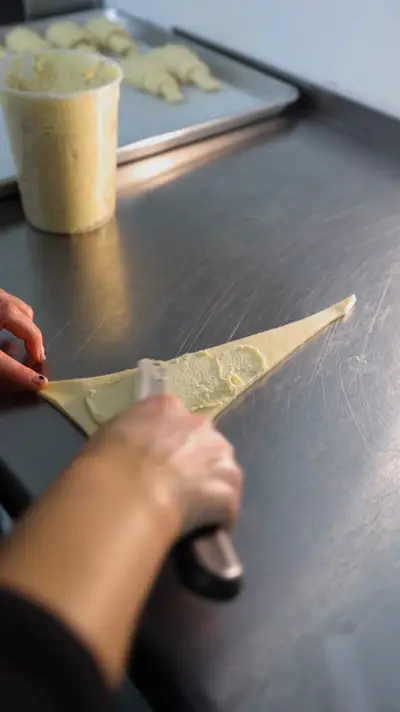
People love watching a place come together. Film the build, the first menu tasting, the kitchen prep and the team, and post it while the paper is still on the windows.
Show those clips to people within a few miles. Everyone who follows now can be invited to the Monday without paying to reach them again.
Fix every listing three weeks out
The first people who hear about you will look you up. Your Google listing, hours, menu and booking link should be live and correct well before the Monday.
An empty listing reads like a place that is not ready, and an AI assistant has nothing to say about a restaurant with no facts online.
- 1.The Korean grill that opened on 5th StreetTabletop grills, big groups welcome.
- 2.The pasta bar by the parkFresh pasta, small plates.
- 3.The taco counter downtownQuick, cheap, open for lunch.
A free growth call with people who own a restaurant too. We map your soft opening and first weeks on the call.
Invite the neighborhood to the Monday
Two weeks out, run small ads to people within a few miles that invite them to the soft opening: the date, a short clip of the food and an easy way to reserve a spot. Add the followers you gained from the build, nearby offices and shops, and the team's families.
A list of names tells the kitchen how much to prep.
Run the Monday like a rehearsal
Keep the menu short and treat the night as research. Watch where tickets stall, which dishes come back half eaten and which ones people photograph. Ask a few tables what they would tell a friend.
Collect a way to reach every guest, because they are your first regulars. Fix the slowest thing before opening week.
Advertise opening week to locals
Opening week is when curiosity is highest. Switch the ads from the soft opening to the opening: a short video of the food and the room, one clear reason to come and a link that books a table or takes an order.
The Texas bar and grill made back 14 times its ad spend in its opening week on our 3X Advertising System.
A Texas bar and grill made back 14 times its ad spend in its opening week.
Sales returned for every dollar of ads, the week after a $5,000 Monday soft opening.
See the numbers
| For every dollar of ads | |
|---|---|
| Spent on ads | $1 |
| Sales back in opening week | $14 |
Keep week two busy
Week two is when the first rush thins and owners pull back on the ads. Keep them running, and put footage of the full room from opening week into them.
Write down covers, sales and reservations every day. The nights that lag tell you where your first weekly offer should go.
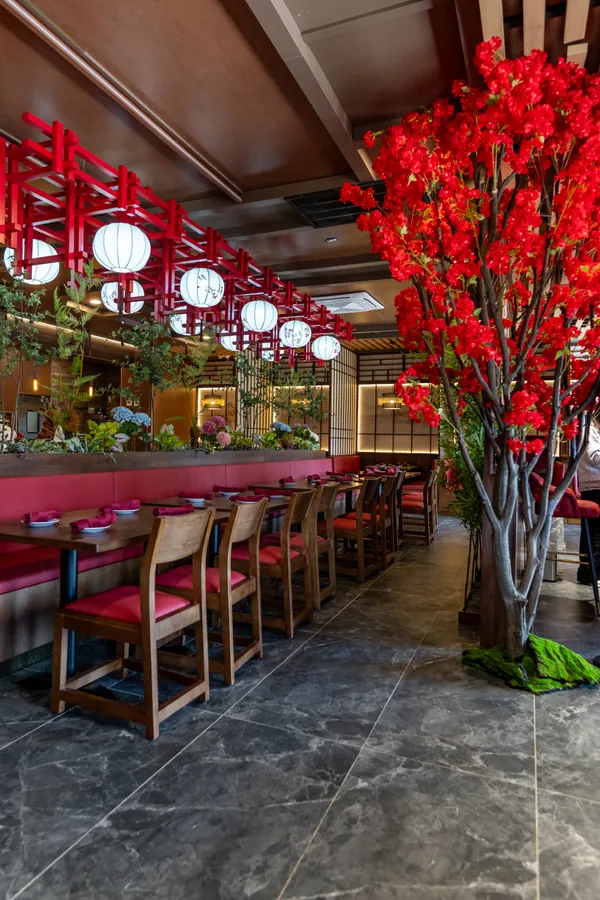
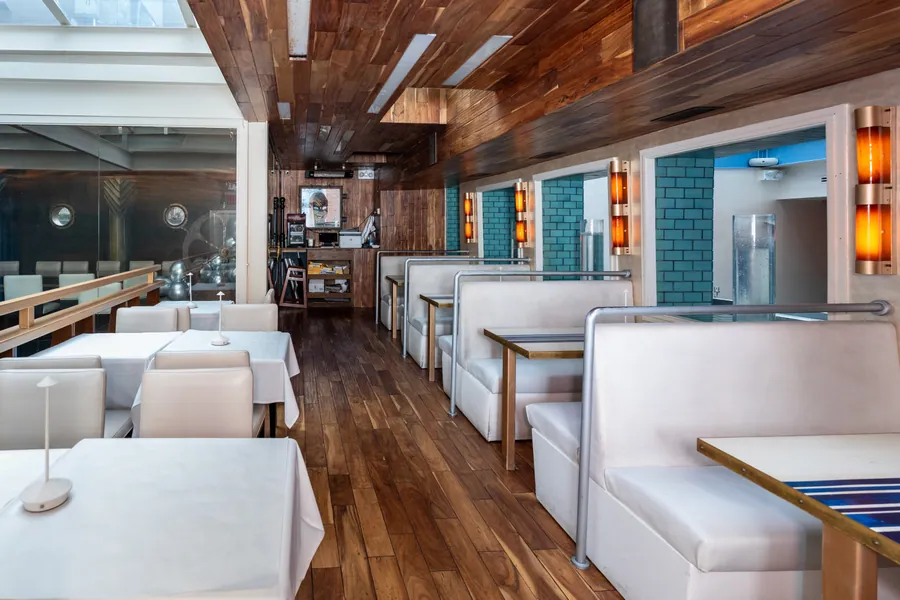
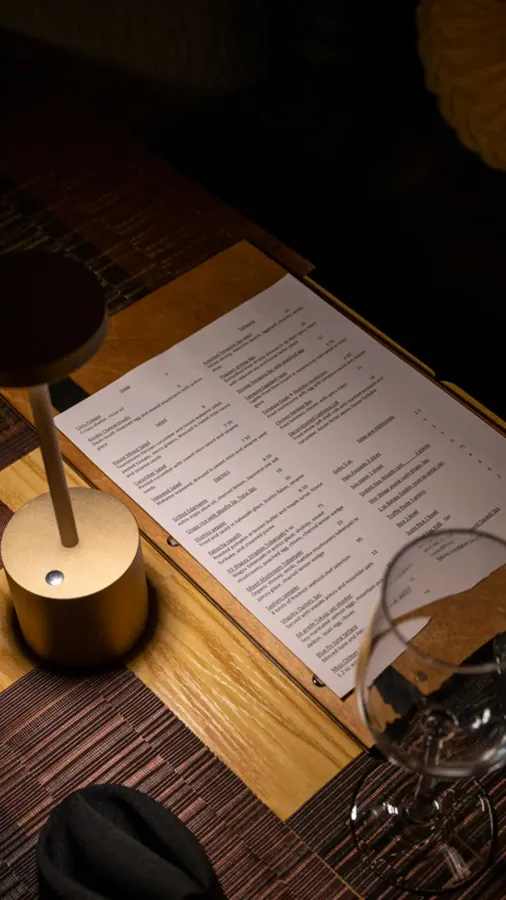
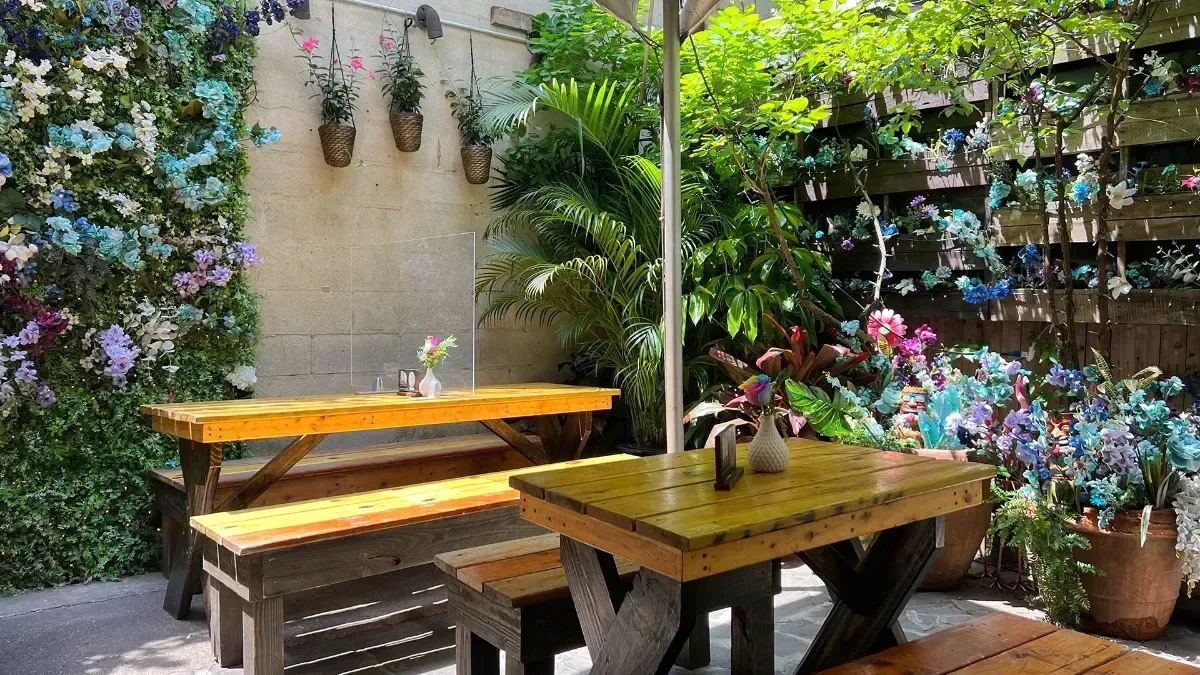
A new room, filmed and photographed
From shoots our team did for restaurants we work with: a dining room before the first guest, a room set for service and the details a new guest should see first.
Why a Monday soft opening, and not a Saturday
A Saturday soft opening sounds busier, and that is the problem. The kitchen is new, the team has never worked a full room together and the point of the night is to find out what breaks. A quiet weeknight gives you a full room of invited guests without a crowd of walk-ins on top, so you can watch every table and fix what goes wrong.
It is also easier to fill. People who live and work nearby are free on a Monday evening, and an invitation to try a new place before anyone else feels like a treat. The Texas bar and grill on our case studies page took $5,000 on a Monday soft opening, which is a full night by any measure.
The countdown, week by week
Openings slip, so plan backward from the soft opening and keep each week's job small enough to survive a delayed inspection. This is the order we recommend:
- Six weeks out: claim every listing, start the social accounts and post the first clip from the build.
- Five weeks out: put up a simple website with the concept, the neighborhood and a sign-up for opening news.
- Four weeks out: start small ads to people within a few miles, showing the build and the team.
- Three weeks out: shoot the menu properly, with the dishes you will sell most, in the room if it is ready.
- Two weeks out: invite neighbors, nearby businesses and new followers to the soft opening Monday.
- Opening week: real hours, the full menu, booking and ordering live, and ads with one reason to come.
What to film while the paint is still wet
A new restaurant has one story nobody else can tell: how it came to be. The empty room, the first delivery of plates, the sign going up, the chef testing a dish for the tenth time, the team's first family meal. Shot vertically on a phone, those clips become a month of posts before you sell a single meal.
Keep each clip short and caption it with what is happening and when you open. People who watch the build feel like insiders, and insiders bring friends. Save the best moments, because they make next year's anniversary post. Our content team shoots this for restaurants nationwide, and our short video work turns it into clips.
Be findable before anyone has eaten there
The first thing curious people do is search your name. If nothing comes up, or the listing shows the previous tenant's hours, they assume you are not open yet or not serious. Set up your Google listing with the opening date, the address, the phone number, the menu and photos of the space, and make sure every other listing says the same thing.
AI assistants work the same way. When someone asks what new restaurants opened nearby, they can only name places with clear facts online: what you serve, where you are, when you are open and how to book. A website that takes bookings and orders from day one gives them something to quote and gives guests something to act on.
See how you come up on Google and in AI search, next to the places near you. Free, ready in minutes.
Opening week ads: the radius, the reason, the link
Opening week ads have three jobs. Reach the people who can actually come, which means a tight circle around your door. Give them one reason to come now, such as the dish everyone will be talking about, rather than a percentage off. And send them to a page where they can book or order in a tap, not a homepage that says “coming soon.”
Speed matters as much as the money. Have the video, the audience and the page ready before the soft opening, so the opening week ads can switch on the morning you open. Our Facebook ads cost guide covers how to read the spend once they run.
What 14x in opening week does and does not mean
Return on ad spend is the sales that came back divided by what the ads cost. The Texas bar and grill made back about $14 for every $1 of ads in its opening week. Opening week is when a new place is most interesting to its neighbors, so the same ad money tends to work hardest then.
That is a reason to spend in opening week, not a promise of the same number. Sales are not profit, and the second and third weeks are usually quieter than the first. The point of measuring opening week is to learn which ad, which audience and which reason to come did the most, so the money in week two goes to what worked.
Week two and the second month
Curiosity carries most new restaurants through their first few weeks. The second month is when the curious have tried you and the habit has not formed yet. That is when sales dip and owners panic. Plan for it before you open: pick your first weekly offer for the slowest night and have it ready to launch in week three or four.
The guests from your soft opening and opening week are the cheapest audience you will ever have, because you can reach them again for free. Invite them back on a weeknight with a reason to come. Our guide to slow nights covers what to do next, and if the new place has a room to rent, our private events guide shows how to book it from the first month.
Opening mistakes we see again and again
Most of these come from good intentions and a very busy owner. Each one costs guests in the first month, when every first impression counts double.
- Holding the soft opening on a Saturday, when nobody has time to watch what goes wrong.
- Opening with deep discounts, which bring deal hunters who leave when the price returns.
- Spending everything on opening night and nothing on weeks two, three and four.
- Ads running before the listing, the hours or the booking link are correct.
- No way to collect guests' contact details, so first visitors cannot be invited back.
- Posting every day for two weeks, then going silent once service gets busy.
A Monday soft opening, then 14x.
A bar and grill in Texas, from the owner's own messages: a full soft opening on a Monday, then a strong opening week. All 15 of our published results are on our case studies page.
On a Monday, before the doors officially opened.
In opening week, on the 3X Advertising System.
The opening week itself, right after the soft opening.
“Very professional and fast response time. They helped us get our ads up quickly, which is so important for a new business like ours.”New restaurant, Google review
Questions about marketing a new restaurant
What owners ask us in the weeks before opening day.
When should I start marketing a new restaurant?
Four to six weeks before the soft opening is a good start, and earlier is fine if the build is visible. That leaves time to build a local following, fix your listings and fill the soft opening with neighbors. If your date might slip, announce the month first and the exact day once inspections are done.
Which night is best for a soft opening?
A quiet weeknight, such as a Monday. The kitchen can learn its timing on a full room of invited guests without a weekend crowd on top. Neighbors and people who work nearby are usually free that night. A Texas bar and grill took $5,000 at its Monday soft opening.
How do I get people to come to a soft opening?
Invite the people most likely to become regulars: neighbors, nearby offices and shops, the team's families and anyone who followed the build. Run small ads to people within a few miles with the date and a clip of the food. Ask them to reserve a spot, so the kitchen knows how much to prep. Our Instagram ads page shows the kind of clip that works.
How much should I spend on grand opening ads?
Enough to reach the people within a few miles several times during opening week, and no more until you see results. Keep some budget for weeks two to four, when curiosity fades. Our guide to setting a marketing budget walks through how to decide the number.
Should I offer discounts for the grand opening?
We avoid them. Discounts attract deal hunters who may not come back at full price, and they set the wrong first price in people's heads. A reason to come, like a first taste of a signature dish or a drink only served that week, brings guests who return. If you want to give something, give it to the soft opening guests.
Should I invite influencers to my opening?
Only local ones whose followers actually live near you. A food account with a big audience across the region rarely sends anyone to a neighborhood restaurant on a Tuesday. A handful of local creators and a well-shot reel of your own usually do more. Judge them the same way as ads: by who walks in.
What should a new restaurant measure in the first weeks?
Covers, sales, reservations and orders every day, plus what the ads cost each week. Compare each day with the same day the week before, since you have no last year yet. Write down which nights lag, because that is where your first weekly offer should go. Our fit checklist helps you decide whether to run this yourself.
Open to a full room.
See what people nearby find today when they search for a place like yours, weeks before your doors open. Free, ready in minutes.
Or book a growth callWhich restaurant should we look at?
The case study from our own beer garden: what we built and every number traced to its source.