

How to get more walk-inson your slow nights
A four-week plan for the Tuesday that never fills: pick the night, give people one reason to come, and show it to everyone within a short drive.
Pick the one weeknight your sales say is slowest and give people one reason to come that night, every week. Film the dish in a short reel, show it to people within 1 to 5 miles, and judge it in week three against the same night before you started, by sales rather than likes.
- One night, one offer, the same every week.
- A short reel, shown within 1 to 5 miles.
- Judge it by sales on the night, in week three.
- Start with
- The slowest night in your sales
- Offers to run
- One, the same every week
- Who sees it
- People within 1 to 5 miles
- When to judge it
- Week three, against the night before
- One published result
- +$1,700 across two weeknights, week three
Find the night your sales say is slowest
Pull eight weeks of sales by day and by hour from your point of sale and lay them side by side. You are looking for the widest gap between what the dining room can serve and what it actually serves.
Sometimes it is a whole Tuesday. Sometimes it is only the first two hours of a Thursday.
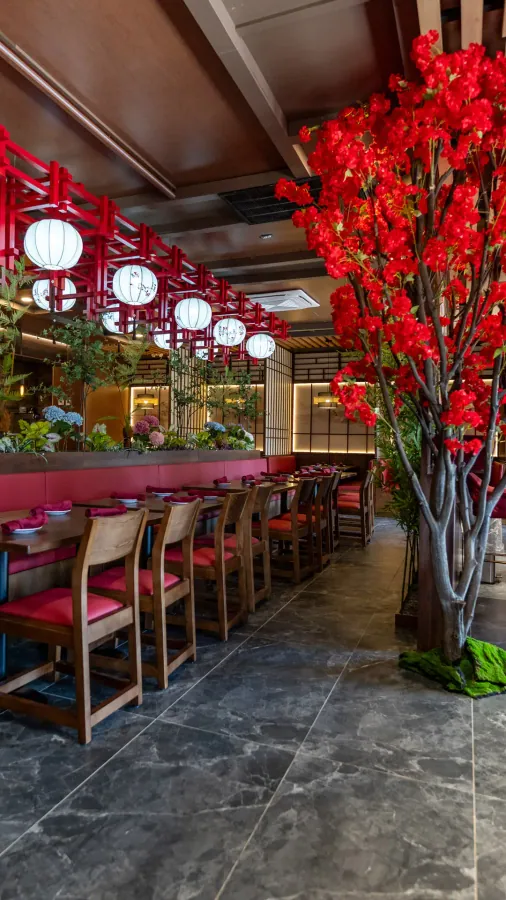
Choose one offer for that night
One night needs one reason, said in a few words a guest can repeat to a friend: ramen and a beer, the pasta night, half-price bottles. Keep it the same every week so the habit has time to form.
Build it around a dish the kitchen already makes well and fast, not a new menu.
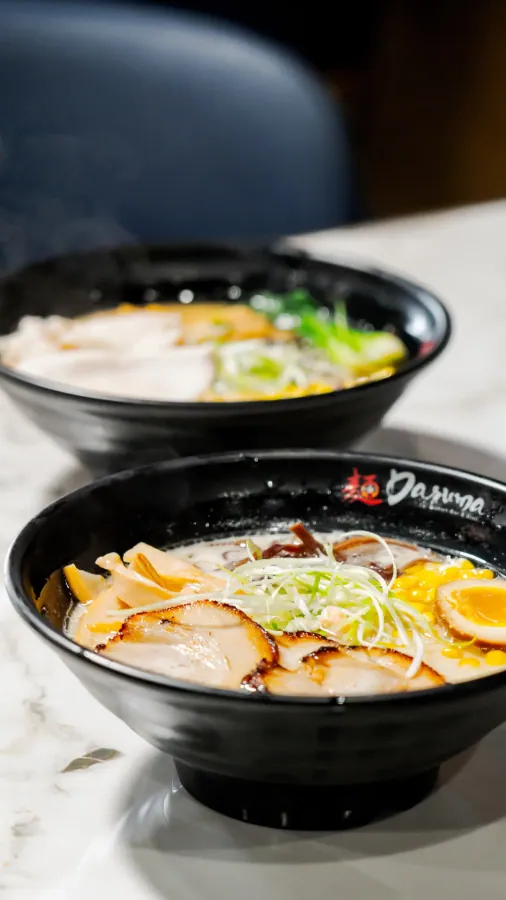
Shoot the dish in one short reel
Hands, steam, the bowl landing on the table, the name of the night on screen. A phone and good light are enough to test the offer, and a proper shoot makes every ad after it look the way the food tastes.
Shoot it during prep, when the kitchen is calm.
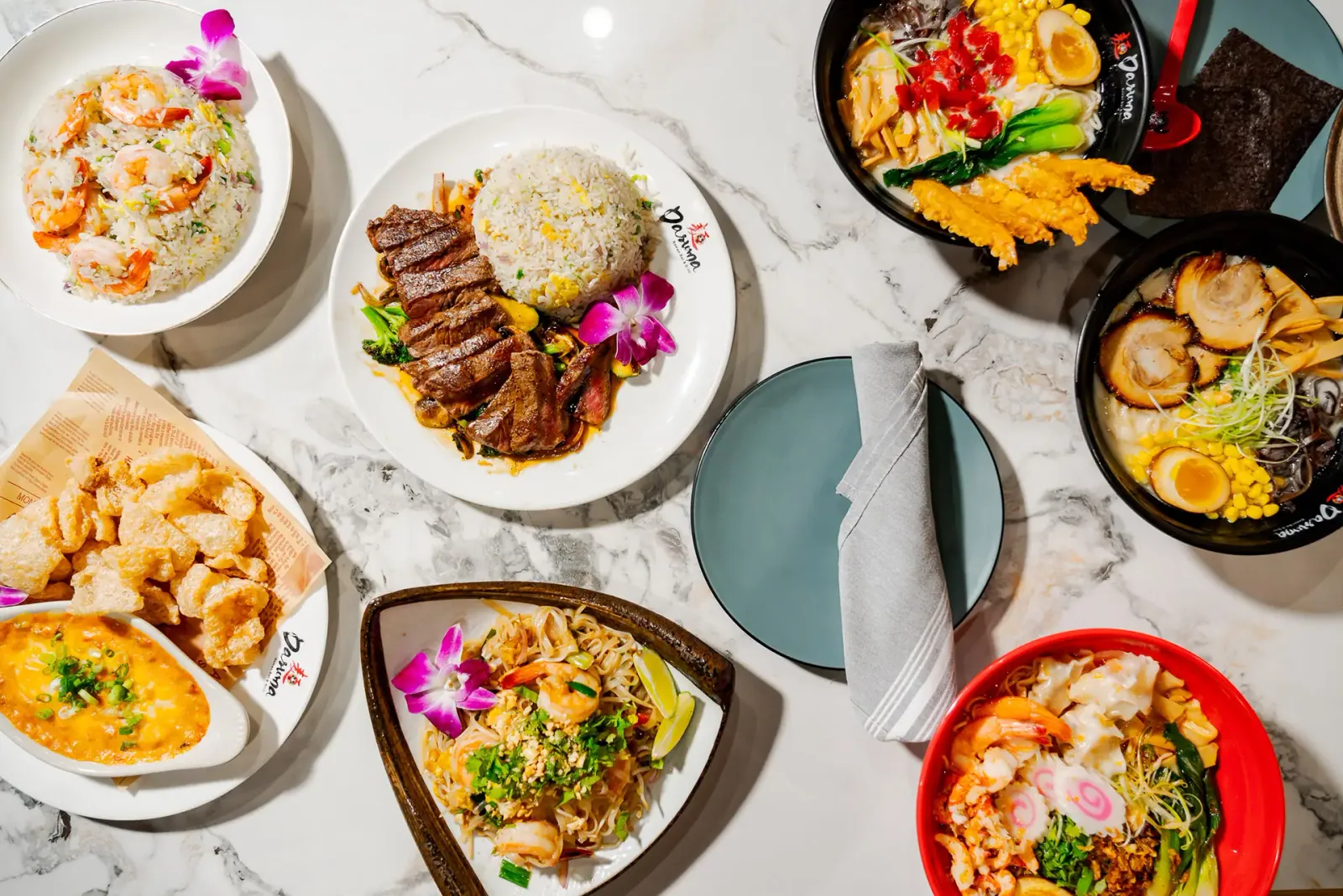
A free growth call with people who own a restaurant too. Bring your sales by day and we pick the night together.
Show it within 1 to 5 miles
The people most likely to walk in on a Wednesday live, work or work out a short distance away. Aim the reel at a circle of 1 to 5 miles around your door, not at the whole city.
A small audience sees the offer several times in a week, which is what turns “we should try that” into a visit. Our 3X Advertising System is built on that circle.
- 1.The noodle house across from the libraryBig bowls, quick service, a Wednesday special.
- 2.The pizza counter next to the gymSlices and salads, two-for-one on Tuesdays.
- 3.The diner with the burger nightBooths, beer on tap, no wait midweek.
Make the offer easy to find
Nobody walks in off an ad without checking you first. The hours, the menu and the address must be right on your listing and your site, and the offer should be the first thing a guest sees when they tap through.
Assistants read the same listings, so a wrong closing time costs you there too.

Read the numbers in week three
Compare the target night with the same night before you started, not with your best night. Week one tells you whether people noticed. Week three tells you whether it is becoming a habit.
A ramen restaurant in Louisiana saw it in its third week with us: $700 more on a Wednesday and $1,000 more on the Thursday after it.
A Louisiana ramen restaurant made $700 more on a Wednesday and $1,000 more on a Thursday in its third week with us.
Extra sales on two weeknights, as the owner reported them.
See the numbers
| Night | Extra sales |
|---|---|
| Wednesday | $700 |
| Thursday | $1,000 |
| Both nights | $1,700 |
Why one night beats a week of specials
A slow week tempts owners to try everything at once: a lunch deal, a happy hour, a Tuesday special and a Thursday trivia night. Each one gets a little attention and none of them builds a habit. Worse, when sales move, nobody knows which idea did it.
One night with one offer does three things a scattered week cannot. Guests can remember it and repeat it to a friend. The kitchen can prepare for it, so the dish comes out the same every week. And you can measure it cleanly, because only one thing changed on that one night. Fill it, then start on the next slowest night.
Your weeknight guest lives close by
A walk-in is someone who decides where to eat that day. That person is almost always near you: home is around the corner, the office is down the street, the gym is next door. In a dense city the circle may be a few blocks. In the suburbs it is a short drive. Either way it is small, and that is good news for a budget.
We aim local ads at real people within a 1 to 5 mile radius of the restaurant, the people who can actually come in, rather than at a whole metro area. Show them in the afternoon and early evening, when people are deciding where dinner comes from, and the same small audience sees the offer often enough to act on it.
The circle also changes what the ad should say. Someone two miles away does not need directions to your neighborhood; they need the night, the dish and a reason to pick you over the place they already know. Name a street or a landmark they pass every day, so the offer feels like it is around the corner, because it is.
Offers that build a habit, and offers that don't
The offers that fill a weeknight week after week share a few traits. They are specific, they repeat, they look good on a phone, and they give something real without teaching guests to wait for a discount. Some shapes that tend to work, and what each one costs you:
- A signature dish only on that night, like a ramen or a whole fish. Costs nothing in price, needs a kitchen that can make it in volume.
- A drink built for the night. High margin, photographs well, easy to ask for by name.
- A named night guests say out loud, like a noodle or taco night. Builds a habit quickly.
- A deal for two, such as dinner and a bottle. Raises the check instead of cutting it.
- A straight discount. Brings people in, but often not the guests who come back once it ends.
See how you come up on Google and in AI search, next to the places near you. Free, ready in minutes.
What the reel needs to show
Most people decide in the first second whether to keep watching, so open on the food, not the sign outside. Steam, a pour, chopsticks lifting noodles: movement that makes someone hungry before they know where the restaurant is. Then the name of the night, the day it runs and the address, in words big enough to read without sound.
Keep it short and shoot it vertically, the way people hold their phones. You do not need a voice, a script or a model. You need the dish, good light and a few seconds of the room with people in it. One shoot day can supply the reel for this offer and the next one, which is why Instagram ads and short video both start from the same footage.
Off-peak is more than a dead night
Slow is not always a whole night. For many restaurants the weekend is full and every other day is thin, and the gap is in particular hours: the first two hours of service, the late afternoon, a weekday lunch. The offer should aim at the exact hours that are empty, or it fills seats you already sell.
That is also where a full weekend helps. The guests who love your Saturday are proof the food works; the job is to give them a second reason to come on a Wednesday. Retargeting people who already visited your site or watched your reels is often the cheapest way to fill the quiet hours, because they already know who you are.
Reading weeks one to four
A single night moves for reasons that have nothing to do with your offer: rain, a holiday, a big game on television, a street closed for a parade. So give an offer three or four weeks before you decide. In week one, look for guests mentioning the offer. In week two, look at covers on the night. By week three, compare sales with the same night before you started.
Watch the average check as well as the covers. If covers climb but the check falls, the offer is too generous. If nothing moves after four weeks, change the offer first, then the reel, then the audience, one at a time. Our budget guide shows how to put a dollar value on one extra night before you spend on it.
Bring them back without paying for the same guest twice
A walk-in who loved the night is the cheapest guest you will ever win back, as long as you keep a way to reach them. Ask for a phone number or email at the table in exchange for something small, collect them with every online order, and invite them back for the same night next week.
A list you own fills slow nights without paying for ads, and every local follower sees your next offer for free. If your listing and pages are in good shape, people searching nearby find you too; our search work for restaurants covers that side, and your own website is where the offer should live.
Two weeknights, three weeks in.
A ramen restaurant in Louisiana on our 3X Advertising System. Not an event or a holiday, just two ordinary weeknights that got busier. It is listed with every other result on our case studies page.
In week three, as the owner reported it.
The next night, the same week.
Everyday sales, not an event.
“We had great weekends, not so great every other day.”Bar owner, Google review
Questions about filling slow nights
What owners of neighborhood restaurants ask us when the weekend is full and the week is not.
How do I get more customers into my restaurant on slow nights?
Pick the one night that hurts most and give people one reason to come that night, every week. Film the dish, show it to people within 1 to 5 miles, and make sure your listing and website show the offer and the right hours. Then compare sales on that night with the same night before you started. Most restaurants that try five ideas at once never learn which one worked.
Which night should I try to fill first?
Your slowest one, measured from your sales rather than from memory. It has the most room to grow, and a fuller room on a quiet night is easy to see in the numbers. If two nights are equally slow, start with the one your kitchen and staff handle best. Fill one before you start on the next.
How far away do walk-in customers come from?
Usually not far. Someone deciding where to eat tonight is choosing between places a short walk or drive away, which is why we aim local ads at a 1 to 5 mile radius. In a dense neighborhood the real circle may be smaller. Draw it on a map around your door and aim every ad at the people inside it.
How long does a slow-night offer take to work?
Give it three or four weeks before you judge it. Week one tells you whether people noticed, and by week three you can see whether it is turning into a habit. A ramen restaurant in Louisiana made $700 more on a Wednesday and $1,000 more on a Thursday in its third week with us. If nothing has moved by week four, change the offer before the budget.
Should I discount to fill a slow night?
Only carefully. A straight discount brings people in, but many of them leave when it ends, and it can teach regulars to wait for it. A dish or a drink that only exists on that night, or a deal for two that raises the check, usually builds more lasting business. Whatever you pick, keep the price honest and the offer the same every week.
Do I need a professional video for a weeknight offer?
Not to start. A phone, good light and a few seconds of the dish are enough to test whether people respond. Once an offer works, a proper shoot makes every ad after it better, because the food looks the way it tastes. One shoot day can supply weeks of reels and posts.
Can an agency help a restaurant with no event space?
Yes. Most of our published results are everyday sales, not events, like the two weeknights at the Louisiana ramen restaurant on this page. Weeknights, weekends, lunch and new followers nearby are all part of the work. Our fit checklist sorts every published result by kind, and our private events guide covers the rooms if you have them.
Are you tonight's answer nearby?
See what someone a few blocks away finds on Google and in AI answers when they decide where to eat tonight. Free, ready in minutes.
Or book a growth callWhich restaurant should we look at?
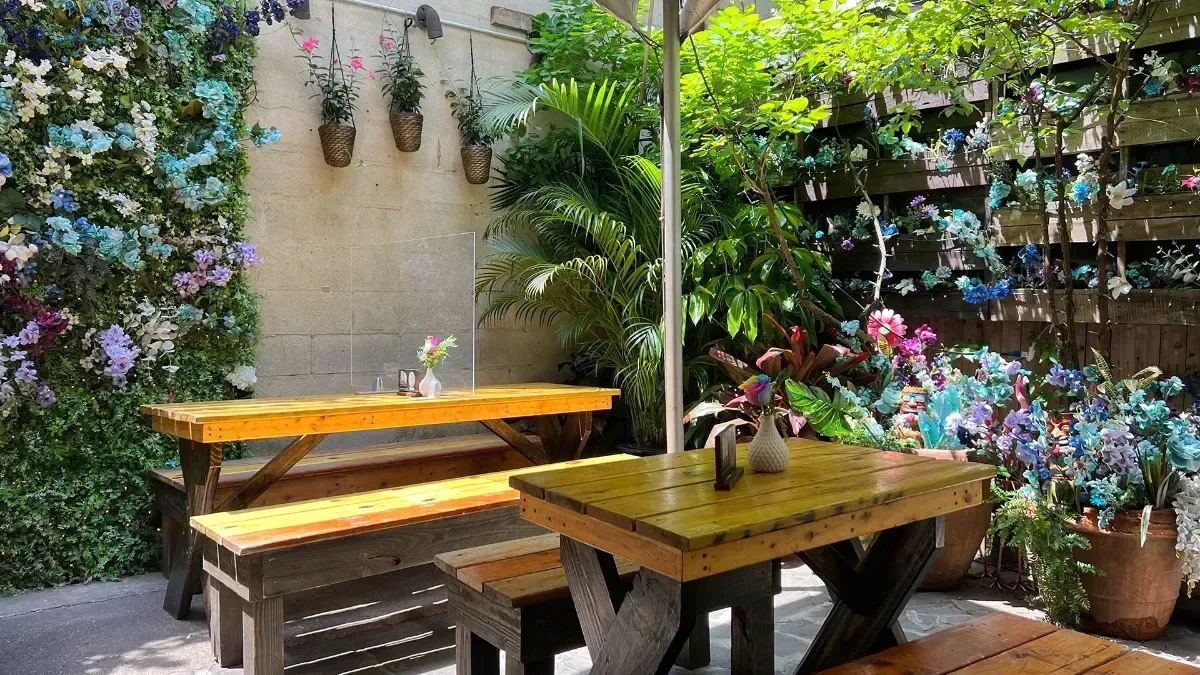
The case study from our own beer garden: what we built and every number traced to its source.