

How to set a restaurantmarketing budget
Price one win first, a booked party or a stronger week. Then set a monthly number that a handful of those wins would pay back.
Set the budget from what a win is worth, not from a percentage of sales. Work out what one booked party, one catering order or one stronger week brings in, decide how many of those wins a month would pay for the spend, then test that amount locally and keep it only if the wins arrive.
- Value one win first: a party, an order, a week.
- Budget so a few wins cover the month.
- Keep the budget only when the wins show up.
- Start from
- The value of one win
- One party at our beer garden
- $1,164 in event value, on average
- One stronger month
- +25%, $7,500 more, in Virginia
- A fair budget
- One a few wins would pay back
- Where it goes
- People, ad spend, shoots, tools
- When to check it
- The last day of every month
Before you set a number, see how your restaurant shows up on Google and in AI answers, next to the places nearby.
- 1.The cafe on Market Street
- 2.The noodle bar by the courthouse
- 3.The hotel restaurant downtown
Pick the one win you are buying
Most budgets go wrong before a dollar is spent, because nobody wrote down what the money is for. Pick one win: a booked party, a fuller Tuesday, a catering order, a stronger weekend. One win gives every dollar a job, and it gives you one number to check when the month ends.
Want three things? Rank them and fund the first. A budget spread across five goals is too thin to move any of them.
Put a dollar value on one party
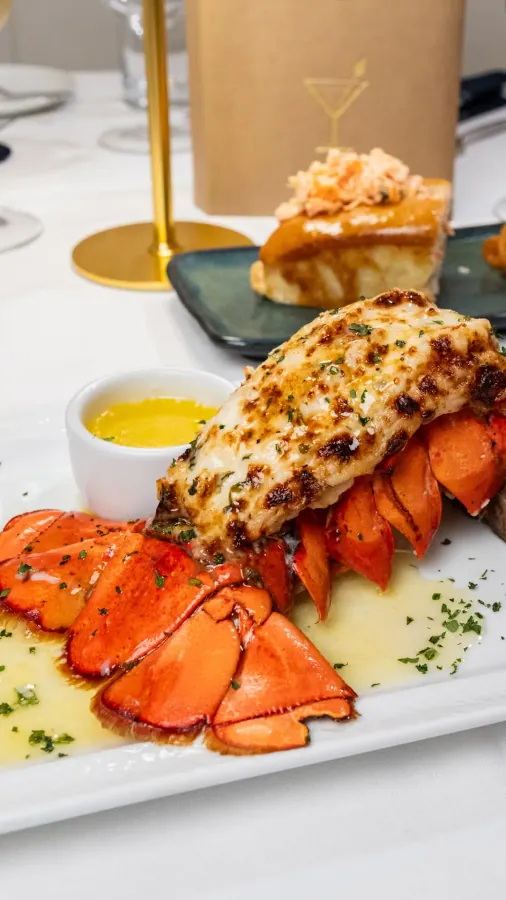
For a private party, the value is the event's whole total: food, drinks, room fees and any minimum. At our own beer garden in New York, the average booked party from May to September 2026 carried $1,164 in event value. Yours will differ, so pull your own average from last year's parties.
Then price your other wins the same way. A catering order has a ticket size and a reorder habit. A walk-in table has an average check times the guests at it.
Price one stronger week
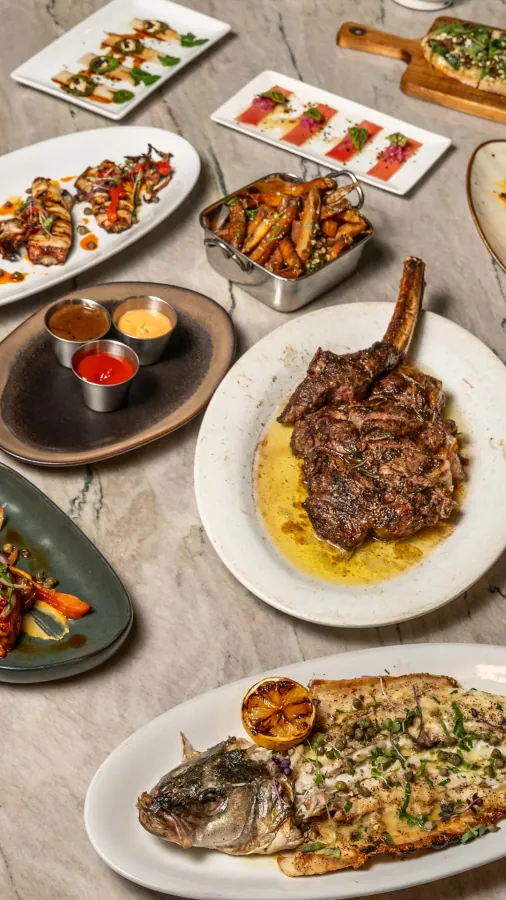
Slow nights and slow months need a different number: the extra sales over an ordinary week. Pull four normal weeks from your register, average them, and ask what a better week would add. That gap, not your total sales, is what the marketing is trying to win.
A restaurant in Virginia shows the scale a strong month can reach. In its first month on our 3X Advertising System it grew 25%, which came to $7,500 more.

A free growth call with people who own a restaurant too. We price your wins and set the first monthly budget with you.
Work back to a monthly number
Now divide. A budget is reasonable when a small number of wins would pay it back. If one party brings $1,164 in event value, a $3,000 month of marketing is matched by three booked parties. Event value is not profit, so run the same math against your margin before you commit.
Decide how many wins the month needs before you spend. Then the month has a pass mark, and nobody argues about it later.
At $1,164 a booked party, a $3,000 month of marketing is matched in event value by three parties.
Booked parties needed to match three sample monthly budgets, at our own beer garden's average party value.
See the numbers
| Monthly budget | Booked parties to match it | Event value of those parties |
|---|---|---|
| $1,500 | 2 | $2,328 |
| $3,000 | 3 | $3,492 |
| $5,000 | 5 | $5,820 |
Split the number into four lines
Keep the money on four lines: the people who plan and make the content, the ad spend paid to the platforms, the shoots, and the tools that take the booking. When the total feels too high, cut the line that is not producing wins, not every line a little.
Add a fifth line for any commission. A cut of every booking is marketing you pay for after the win.

Count the wins at the month's end
On the last day of the month, count only the win you paid for: parties booked, catering orders, covers on the target night, next to the weeks before. If the wins paid the budget back, keep it or raise it. If they did not, change the offer before you change the amount.
Views and followers are signs of interest. They are not the win, so they never set the budget.
Why a percentage of sales points the wrong way
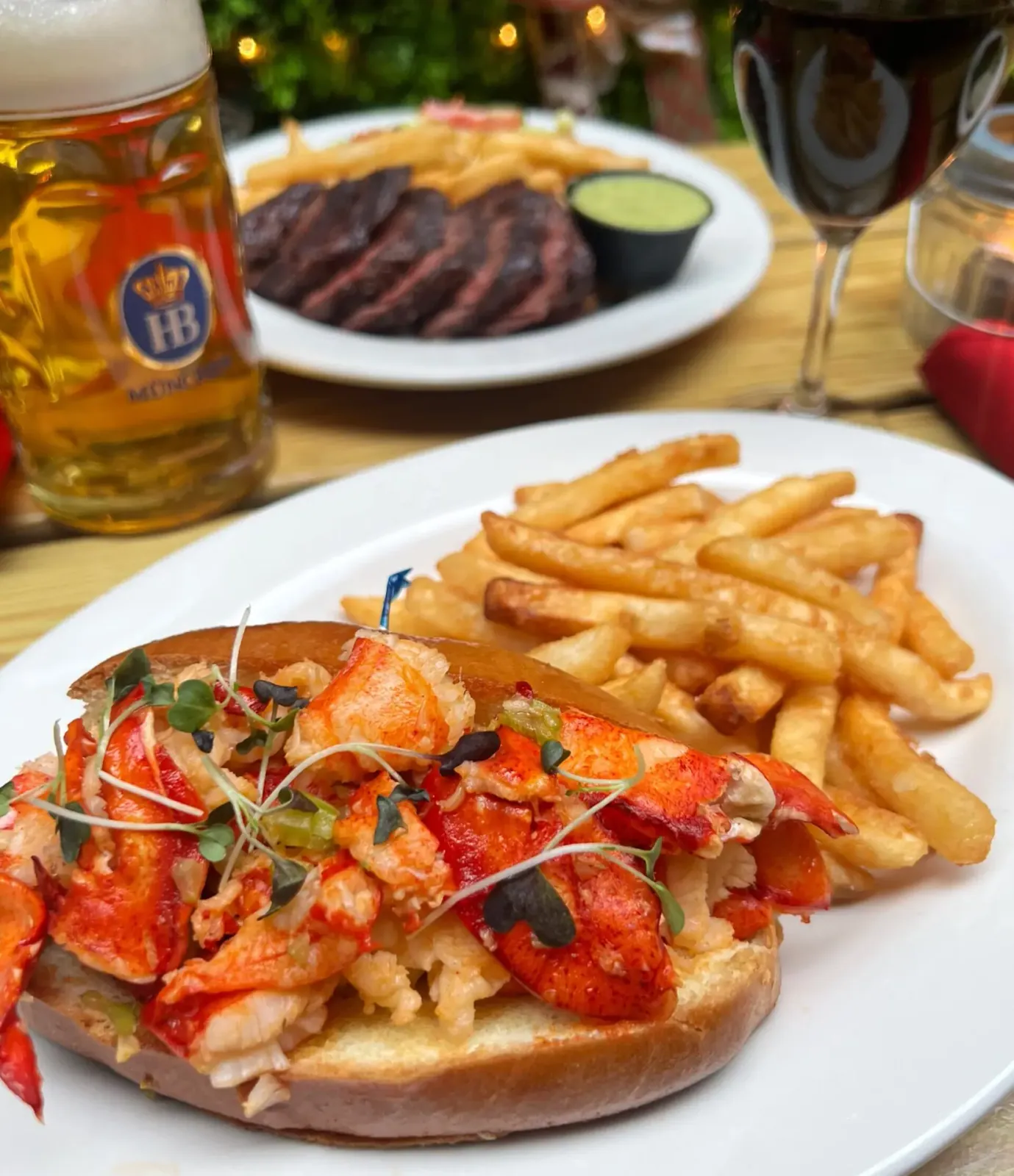
Search for how much a restaurant should spend on marketing and you will find confident percentages. We do not publish one. We have never seen a source for it that holds up, and the right amount for a corner pizzeria and for a restaurant with two party rooms have little in common.
A percentage also points backward. It ties next month's marketing to last year's sales, so the restaurant with empty Tuesdays spends the least and the one that is already full spends the most. A budget priced from one win does the opposite. It spends where a win is possible and worth having, and it stops where there is nothing left to win.
Event value, margin and the real break-even
The $1,164 at our beer garden is event value: what the party spent, not what the restaurant kept. Before you set a budget from a party's value, take out the food, drink and labor that party costs you. If your parties keep a third of what they bring in, a $1,164 party leaves you about $390, and the same $3,000 month now needs eight parties instead of three.
That second number is the honest break-even, and it is usually still small next to what a full party room is worth over a season. Work out both. Event value tells you the size of the prize; margin tells you how many prizes the month must win to pay for itself. If your margin on parties is higher than on the dining room, as it can be with set menus and a bar minimum, the party math gets easier still.
A guest is worth more than one visit
Value per win undersells the wins that come back. The guest who books a birthday may book the office party in December. The neighbor who comes in for brunch once may come every other Sunday for a year. A restaurant that only counts the first visit will always set its budget too low for the guests who matter most.
You do not need a model for this. Look at your own regulars: how often they come, what they spend, how long they have been coming. Even a rough number tells you that a new regular is worth many times one check, which is why the right offer, shown to the right few miles, can pay for itself long after the month it ran.
Commissions are marketing spend in disguise
Owners often leave commissions off the marketing budget, because they arrive as a deduction rather than a bill. But a fee on every booking or order is the price of being found and booked through someone else's front door, which is exactly what marketing pays for. Add it up for a month and put it on the same page as the ad spend.
Then compare it with the cost of running your own front door: a website that takes the booking and the order directly, with no percentage. That is why we charge one monthly fee and take 0% of your sales. Our websites take reservations, orders and party inquiries with no commission on any of them.
See how you come up on Google and in AI search, next to the places near you. Free, ready in minutes.
What a stronger month looks like on paper
A restaurant in Virginia shows what a stronger month adds up to. In its first month on our ad system it grew 25%, $7,500 more in that one month. One owner put month one this way in a Google review: "After just the first month of working with them, my business has grown by over 25%."
Read that as a way to size a budget, not as a promise. If an ordinary month for you is $30,000 and a strong one would add a tenth, the win is worth $3,000 a month in sales before costs. Set the spend so that win, at your margin, still pays it back, and you have a budget you can defend. Every published result is on our case studies page.
Set a stop rule before the first dollar
Some offers show results in the first week. Others take a few weeks while the people nearby see them often enough to act. Judging a test after three days usually means judging noise, so decide the length of the test before it starts and leave the amount alone until it ends.
The opposite mistake is just as common: letting something run for months because stopping feels like failure. Write the stop rule down on day one, such as no change in parties booked after four weeks. If you hit it, change the offer first, then the photo or video, then the audience, and only then the amount.
Spend ahead of the weeks worth the most
A flat monthly budget treats every week as worth the same, and no restaurant's year works that way. The weeks when people plan birthdays, office parties and holiday dinners are worth more per dollar than a quiet week in a slow month, so price them separately and spend ahead of them.
Our holiday marketing guide covers the big dates, and our private events guide covers the party season. If your win is a fuller weeknight, start with our guide to slow nights; if it is office lunches, read how to grow catering sales.
The monthly half hour that keeps it honest
Put the same short review on the calendar every month, ideally the day you look at food cost. Keep it short on purpose: the point is one decision, not a presentation. Bring these numbers and nothing else:
- The value of one win, checked again against last month's real totals.
- What you spent on each of the four lines, plus any commissions.
- How many wins came in, next to the count the month needed.
- Which offer, ad or page brought the most of them, and which brought none.
- One decision for next month: keep the amount, change the offer, or stop.
Is your budget priced from a win?
Tick what is true for your restaurant today. Nothing is saved and nothing is sent.
Pull last year's party totals or four ordinary weeks of sales and price one win. Every other line of the budget follows from it.
Questions about marketing budgets
What owners ask us about money before they spend a dollar.
What percentage of sales should a restaurant spend on marketing?
There is no single right percentage, and a number borrowed from another restaurant says little about yours. A percentage also ties spending to last year's sales, so the restaurant that most needs guests spends the least. Price one win instead, such as a booked party or a stronger week, and set a budget that a few of those wins would pay back.
How much is one private party worth to a restaurant?
Add up the whole event: food, drinks, room fees and any minimum. At our own beer garden in New York, the average booked party from May to September 2026 carried $1,164 in event value. Your number depends on your rooms and your menu, so average last year's parties. Then take out what each party costs you to find what it is really worth.
How do I turn the value of a party into a budget?
Divide the monthly budget you are considering by the value of one party. At $1,164 a party, a $3,000 month is matched in event value by three booked parties. Then repeat the math with your margin instead of the full value, because that is the true break-even. If the number of parties needed looks easy to win, the budget is reasonable.
What is the 30/30/30 rule for restaurants?
It is a rule of thumb some owners use to split sales between food, labor and overhead, with what is left as profit. It is a quick check on costs, not a marketing plan. It does not tell you what to spend on marketing, and we do not set budgets from it. The value of one win is a better starting point.
Should the marketing budget include photos and video?
Yes. Ads are only as good as the footage in them, so plan the shoot as one of the four lines, not as an extra. One shoot can feed weeks of posts and ads, which spreads its cost across every campaign it supplies. Our content team shoots on site for restaurants nationwide.
How long should I test a budget before judging it?
Long enough for the people nearby to see the offer several times, which usually means a few weeks rather than a few days. Decide the length and a stop rule before you start. Leave the amount alone until the test ends, then count the wins against the pass mark you set.
Is a marketing agency worth the fee for a restaurant?
Only if the wins it brings clearly beat what it costs, including the hours of your own it saves. Price the fee the same way as any other line: how many parties, orders or stronger weeks would pay it back. Our agency, freelancer or in-house checklist helps you compare, and the growth call ends with a real number.
Price your first win.
Before you set a number, see how your restaurant shows up on Google and in AI answers next to nearby places. Free, ready in minutes.
Or book a growth callWhich restaurant should we look at?
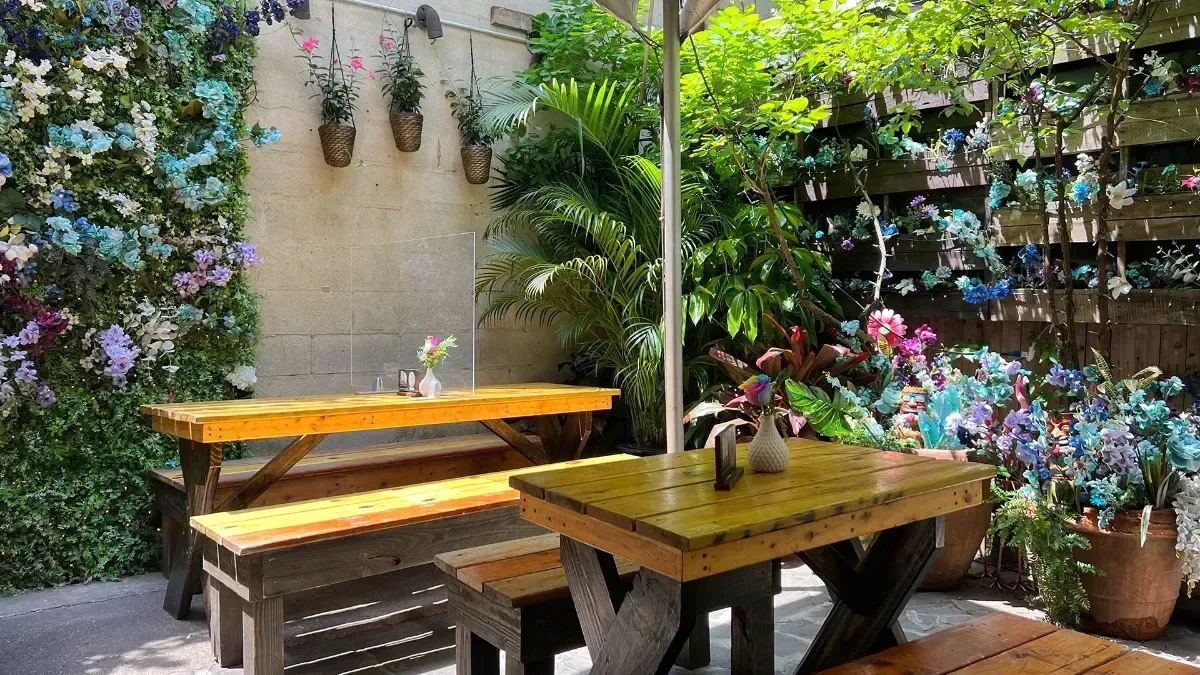
The case study from our own beer garden: what we built and every number traced to its source.