Restaurant Facebook adsfor party planners nearby
The neighbors who plan birthdays, office parties and event nights are on Facebook. We put your rooms and your dates in front of them, a few miles from your door.
Planners are scrolling. Your room is not there.
Someone near you is planning a birthday or an office party this week. Most restaurant pages show them a boosted brunch post and nothing they can book.
A boost, then silence
One post pushed to strangers two towns over the night before an event, and no way to tell whether a single guest came from it.
The room never shown
Planners need the room, the headcount and a way to ask. A photo of a burger answers none of those, however good the burger is.
Messages that wait a day
A planner who writes to your page is asking three places at once. A reply tomorrow is a reply after the other two. Ads and answers belong together.
Planners compare before they ask.
Someone booking a team dinner or a birthday checks a few places first. The ones they saw this week are the ones they remember.
- 1.The steakhouse on the avenuePrivate room, set menus for groups.
- 2.The Italian place by the stationLong tables, family-style dinners.
- 3.The brewery two blocks overBack room for parties, no minimum on weekdays.
Birthdays were the biggest single occasion: 140 of our beer garden's 338 party inquiries in September 2026.
What planners wrote in about, by the occasion recorded on each inquiry, from every channel.
See the numbers
| Occasion recorded on the inquiry | Party inquiries |
|---|---|
| Birthdays | 140 |
| Corporate | 26 |
| Weddings | 1 |
| Other occasions | 171 |
| Every inquiry that month | 338 |
Ads for the parties people plan.
Each campaign sells one occasion to the people around you, and sends them somewhere they can ask about a date.
Birthday ads, all year
Someone nearby has a birthday every week. Your room, its headcount and an inquiry button, shown to them year round.
Office parties, booked early
Corporate and holiday party ads that start weeks before the calendar fills, aimed at the offices around you.
Event nights with a runway
Tastings, game nights and holiday menus promoted three to four weeks out, while planners can still say yes.
A map a few miles wide
Ads shown within about 1 to 5 miles of your door, so the budget reaches people who can come.
Facebook messages answered
Planners who message your page get an answer straight away, in one place with every other inquiry.
Retargeting the room-lookers
People who watched your video, opened the room page or visited your site see the next ask, not a stranger's.
Who plans the party, and where they scroll
Every group booking has one person doing the work: the parent organizing a graduation dinner, the office manager booking the holiday party, the friend who always ends up planning the birthday. They are not looking for somewhere to eat tonight. They are deciding where twelve or forty people will be in three weeks, and they compare a few places before they write to any of them.
Facebook is where a lot of those planners spend their evenings, and it lets you reach them by where they live and work. That makes it the strongest social channel for group dinners, private parties, event nights and catering. Facebook and Instagram ads are bought in the same place, so one campaign can run on both. Our Instagram ads page covers the reels and stories side.
What planners asked our beer garden for in September
We own Loreley Beer Garden on the Lower East Side, so we can show what party planners actually write in about. In September 2026 the beer garden took 338 private event inquiries through every channel it has. 140 were for birthdays, 26 for office and corporate events, and one for a wedding. The other 171 were filed under other occasions.
Two things follow for anyone buying Facebook ads. Birthdays are not a season: someone within a few miles of you turns 30, 40 or 50 every week, so a birthday ad can run all year and keep finding new planners. Office parties are fewer, and many follow the work calendar, so they deserve their own campaign with its own timing. The rest of the numbers are in our beer garden case study.
Drawing the map: a few miles, not the metro
The most expensive mistake in restaurant advertising is the default map. Left alone, an ad spreads across a whole city or state and spends most of its money on people who will never come. We draw a radius of roughly 1 to 5 miles around your door, tighter in a dense downtown and wider in a suburb where people drive to dinner. Office blocks get the corporate and lunch ads; residential streets get the birthday and family ones.
A small audience is a feature, not a problem. A neighborhood of a few thousand reachable adults can see your party room several times a month on a modest budget, and repetition is what turns a nice photo into an inquiry. It is also why our 3X Advertising System has worked in towns of around 10,000 people, where ads cost less and the content feels local because it is.
A birthday ad that runs all year
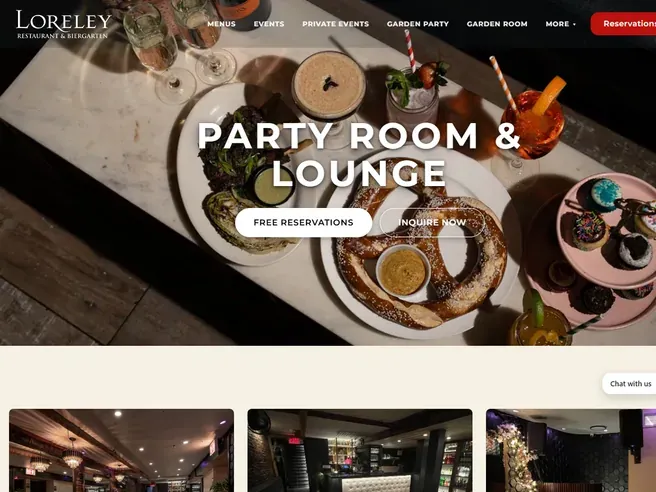
A birthday ad answers a planner's first three questions before they ask them: will my group fit, what does it look like, and how do I ask about a date. So it shows the room itself, says how many it holds and points to a page for that room with an inquiry form. At our beer garden that means the Party Room and Lounge for up to 65 guests with its own bar and bartender, the Garden Party for up to 24 seated and the Garden Room for up to 22.
The words stay plain: what it is, who it is for and what to do next. "Birthday for 30? Our party room holds 65, with a private bar" beats any clever headline. We change the photo and the angle every few weeks so the same neighbors keep seeing something new, while the ask stays the same. Our private events guide covers the room pages behind the ad.
See how you come up on Google and in AI search, next to the places near you. Free, ready in minutes.
Office parties start before the calendar fills
The 26 corporate inquiries in September are a reminder that office events run on the office's clock. Holiday parties get booked in the fall, team dinners land at the end of a quarter, and a client lunch can come up any week. An office-party campaign starts three to four weeks ahead of the dates that matter, aimed at the people who work in the blocks around you, then narrows in the last week to the ones who watched the video or opened the room page.
Weekday lunches and after-work groups reach the same people. A short ad for a set lunch menu or a private room for a team reaches the office managers who will book December. Catering follows the same pattern, and our holiday marketing guide has the calendar of dates worth advertising early.
When the planner writes back on Facebook
Many planners never fill in a form. They tap the message button on your page and type a question: is the room free on the 21st, what is the minimum, can we bring a cake. That message is the most valuable thing the ad produced, and it is easy to lose in a page inbox that nobody checks during a busy service.
On the Private Events System, planners who write through your website chat, Instagram or Facebook messages get an answer straight away, with your real rooms and capacities, and every conversation lands in one place with the date, the headcount and the room. Your team keeps the pricing and the close. Deposits are paid online, so a yes becomes a booking without a phone call.
Retargeting the people who already looked at the room
Almost nobody books from the first ad they see. They watch half the video, open the room page, check the date with a friend and go back to their evening. Facebook can build audiences from everyone who watched your videos, engaged with your page or visited your website, and show only them the next message: the room that is still open on the 21st, the holiday party packages, the set menu for groups.
These audiences are small and warm, so they cost the least to convert, and they are where we put the private events and catering campaigns, because someone who has already looked at your room is far closer to booking it. Along the way we capture email and mobile numbers, so you can invite past planners back next year without paying for the reach again.
What we count, and what one owner noticed
Reach and likes tell you the ad was shown. For party ads we count inquiries, by occasion and by the campaign that produced them, then the bookings and their value. For event nights we track reservations, online orders and walk-in visits. Every month you see those numbers next to the spend, and the money moves toward the campaigns that book rooms. A birthday campaign that brings ten inquiries and books three is doing more than an event-night ad with a thousand likes and no reservations.
Owners notice when Facebook is run this way. One wrote in a Google review: "He's done things with Meta that I didn't even know were possible, and the results have been outstanding." For the money side, what Facebook ads cost a restaurant sets spend next to sales, and our marketing budget guide shows how to size the total from what one party is worth.
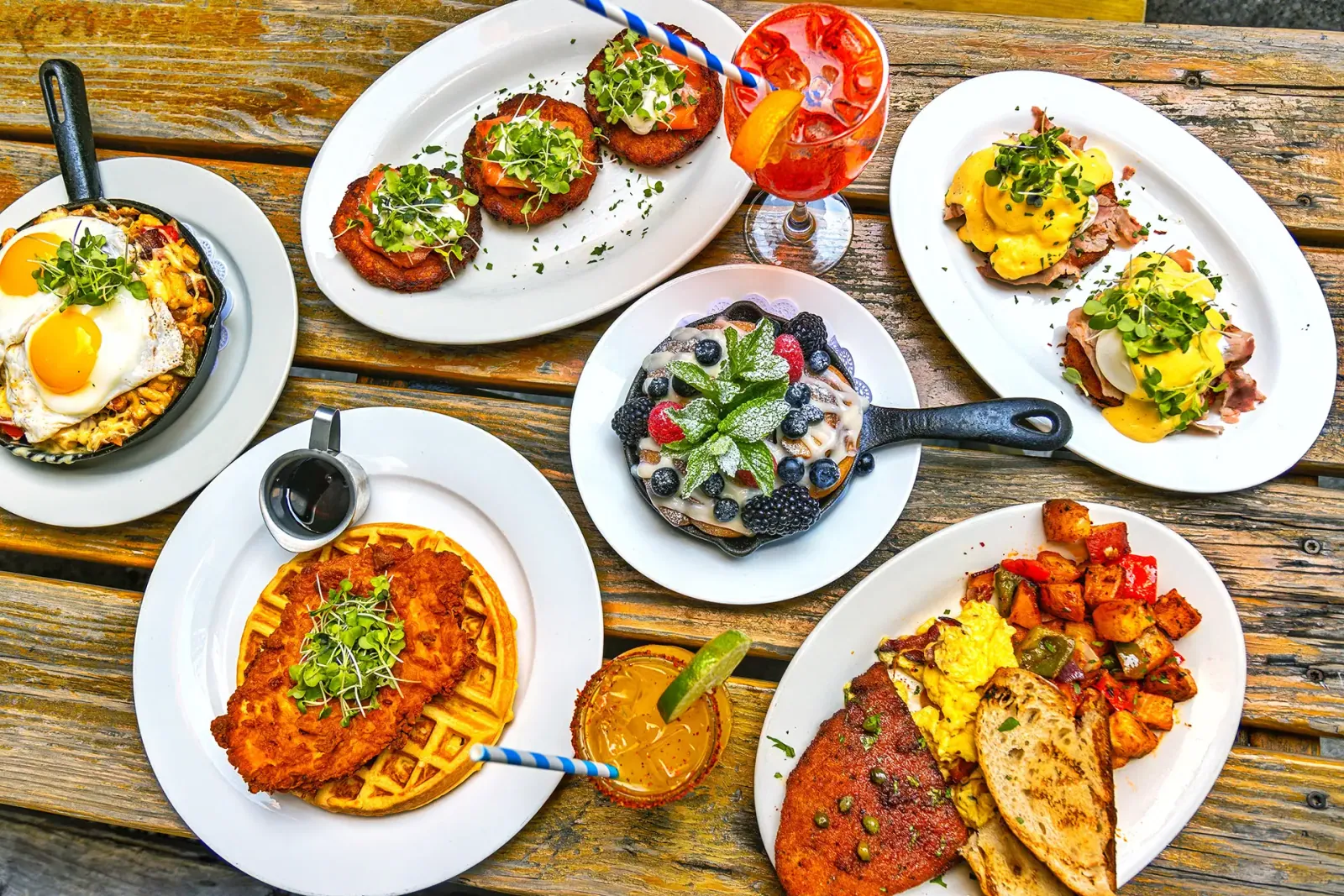
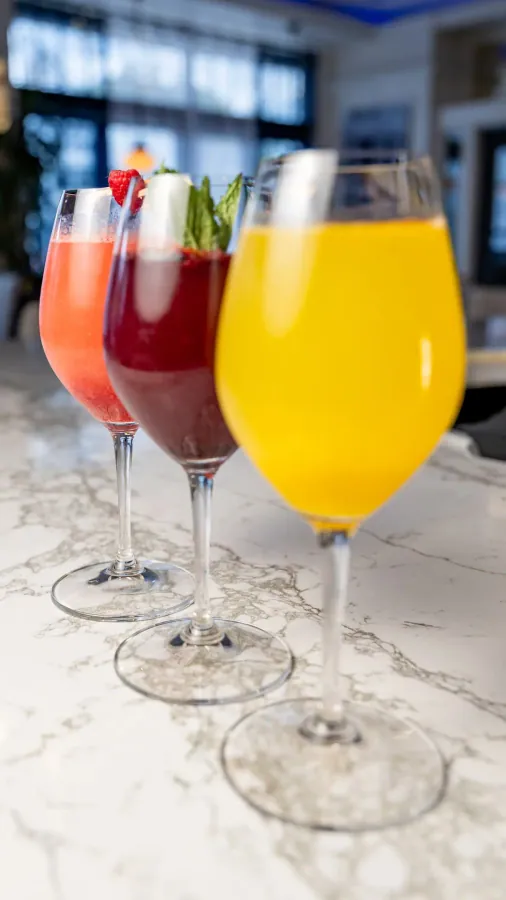
The pages and plates a party ad sells.
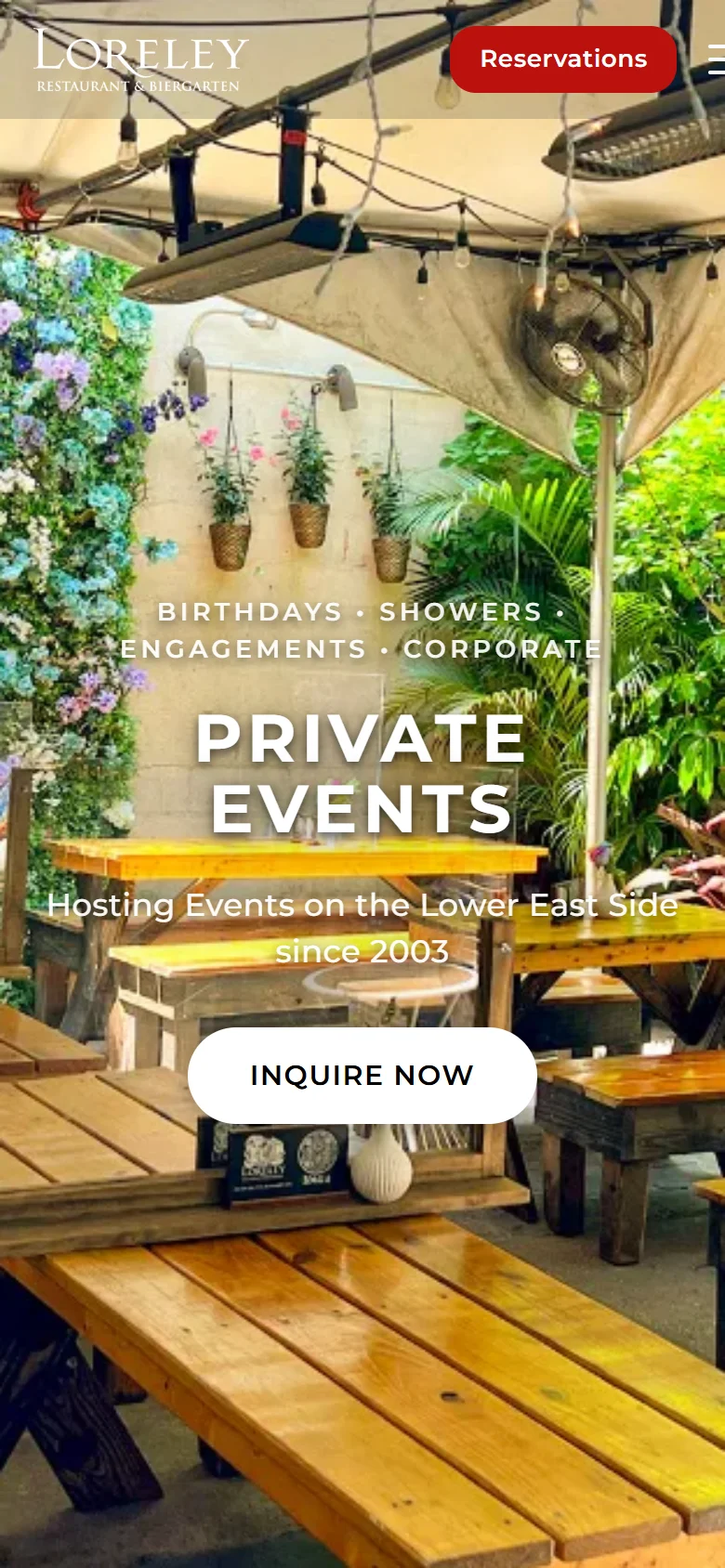
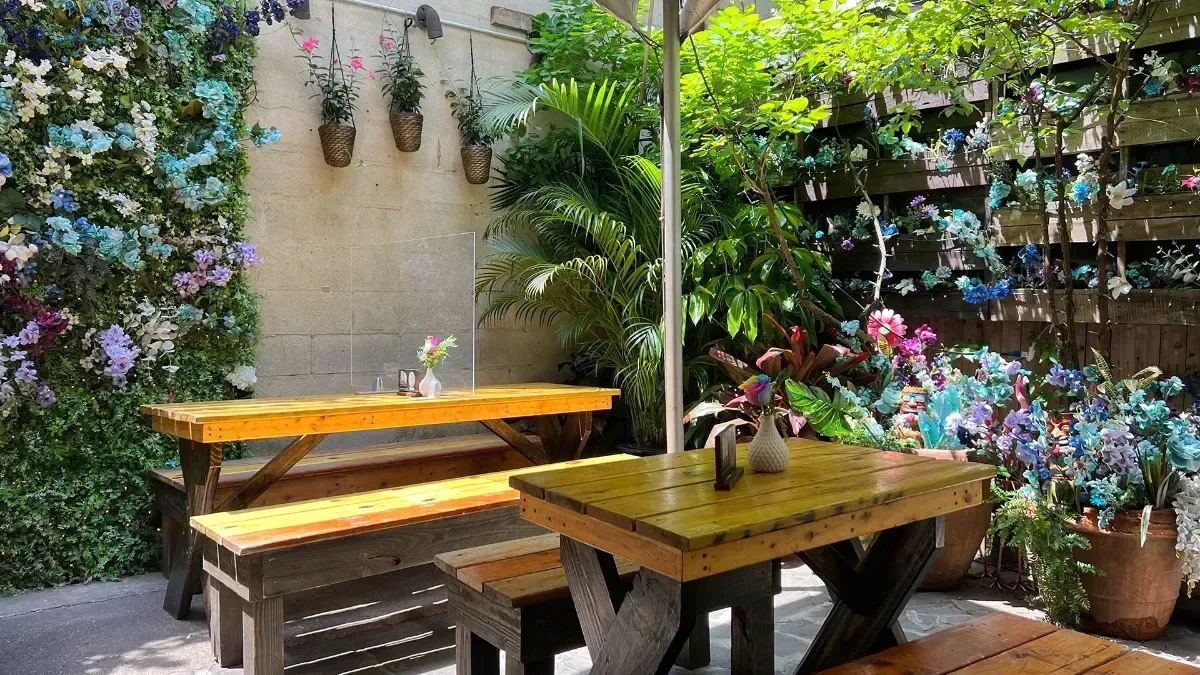
Our beer garden's room page, where the ads send planners, and frames from our shoots built for one occasion at a time.
Questions about Facebook ads for restaurants.
What owners ask us about Facebook before they start.
Do Facebook ads still work for restaurants?
Yes, when they are shown to people close enough to visit and give them one clear reason to come. Facebook is strongest for the bookings someone plans ahead: birthdays, office parties, family dinners and event nights. Judge it by inquiries, bookings and sales, not by reach.
Can Facebook ads book private parties?
Yes, when the ad shows the room and sends planners to a page where they can ask about a date. Birthdays are a steady market: 140 of our beer garden's 338 party inquiries in September 2026 were for birthdays, so a birthday campaign can run all year. Each inquiry then needs a quick answer, because planners ask several places at once. Our private events guide covers the whole path.
Should I boost posts or run real campaigns?
Run campaigns. A boost pushes one post to whoever the platform picks, while a campaign sets the audience, the goal and the page people land on. Only a campaign lets you follow up with the people who showed interest. Boosting is fine for a quick test, but it is not a plan.
How far ahead should I advertise an office or holiday party?
Three to four weeks before the dates that matter, and earlier for December. Start across your whole map, then narrow the last week to people who watched the video or opened the room page. A same-week ad mostly reaches offices that have already booked somewhere.
What should a restaurant party ad say?
What the room is, how many it holds and how to ask about a date, in plain words. Show the real room with people in it, not a logo or a stock photo. Send the button to a page for that room with a short inquiry form. An ad that offers brunch, trivia and the party room at once usually sells none of them.
Who answers when people message us from an ad?
On the Private Events System, planners who write through Facebook, Instagram or your website chat get an answer straight away, with your real rooms and capacities. Every conversation lands in one place with the date, the headcount and the room. Your team keeps the pricing and the close. See the Private Events System for how it works.
Do I have to offer discounts in my ads?
No, and we advise against it. Discounts attract people who come once for the deal and order the cheapest thing on the menu. Party ads sell the room, the bar and the occasion at full price, and weeknight ads are built around profitable items you already sell well.
How much should a restaurant spend on Facebook ads?
A local audience is small, so a modest budget can reach it several times a month. Start with one or two campaigns, such as birthdays and one event night, measure what they book, then raise the budget behind the ones that pay. Our guide to what Facebook ads cost a restaurant goes through the money.
Your ad budget buys ads.
- One monthly fee for strategy, creative, targeting and management.
- Ad spend paid to the platform from your own account.
- No cut of the parties, tables or tickets the ads sell.
Put your room in front.
See how your restaurant shows up nearby today, then we map your first party campaign on a free growth call.
Or book a growth callWhich restaurant should we look at?
A free growth call with people who own a restaurant too. We map your first offer on the call.