Checklist · 10 min read
Restaurant marketing: agency,freelancer or in-house?
Restaurant marketing is seven jobs that come round every week. Here is which option covers which, and what we run at our own restaurant, piece by piece.
The short answer
Count the jobs before you pick who does them: the shoot, the posts, local ads, the listing and website, answering inquiries, inviting past guests back and counting what came in. A freelancer usually covers one or two, a marketer on staff a few, a restaurant agency all seven. Whatever you choose, put one name next to every job.
- Seven weekly jobs, and each needs an owner.
- Most setups break in the handoffs between jobs.
- Keep every account and photo in your restaurant's name.
At a glance
- Weekly jobs to cover
- Seven
- What a freelancer usually covers
- One or two of them
- When in-house pays off
- Several locations or a busy events program
- What a report should count
- Bookings, orders, inquiries and sales
- Who should own the ad accounts
- Your restaurant
Side by side
Who covers which job.
The seven weekly jobs of restaurant marketing, and what each way of getting them done usually covers.
| The job | ION Hospitality | A freelancer | A marketer on staff |
|---|---|---|---|
| Shooting at the restaurant | Yes:Shoot days on site, nationwide | Yes:A photographer's core job | Varies:Often on a phone |
| Posts on a calendar | Yes:Five a week, you approve first | Varies:If hired for posting | Yes:Close to the kitchen every day |
| Ads aimed a few miles out | Yes:A 1 to 5 mile radius | Varies:Only if an ad buyer | Varies:Needs ad skills as well |
| Listing, menus and website current | Yes:A hosted site, kept current | No:Usually outside the brief | Varies:With a developer's help |
| Party inquiries answered fast | Yes:Replies in minutes, every day | No:Rarely part of the job | Varies:During their working hours |
| Past guests invited back | Yes:Your own list, by text and email | Varies:Another tool, another job | Yes:If the tools are there |
| What came in, counted | Yes:A report every month | Varies:Their own piece only | Varies:Depends on the setup |
| Covered when someone leaves | Yes:One team, accounts in your name | No:The work stops with them | No:The know-how leaves too |
“A freelancer” and “a marketer on staff” stand for common setups, not any one person or firm. A general agency sits between the columns: it covers more of the jobs than a freelancer, usually without restaurant hours behind it.
Scorecard
Is every job covered today?
Tick each line that is true at your restaurant right now. Nothing is saved and nothing is sent.
Your score
0 / 8
Start with one name per job.Most of the week is open, so the first jobs you hand out pay off fastest. Start with the free report.
Seven jobs, three ways to cover them
Seven jobs, before you pick who does them
Owners usually compare an agency, a freelancer and a hire by price. Compare them by coverage first. Restaurant marketing is not one job but seven, and most of them come round every single week. Whoever you choose has to cover all seven, or you cover the gaps yourself between services.
The jobs owners drop first are rarely the visible ones. Posting gets done because everyone notices when it stops. Answering a party inquiry on a Sunday, inviting last month's guests back and counting what the ads brought in are invisible when they are skipped, and they are where most of the money is. The seven:
- Shooting the food, the drinks, the room and the team, on site, every few months.
- Editing that footage into posts, reels and ads, and posting on a calendar.
- Running ads aimed at the neighborhood, then checking and adjusting them every few days.
- Keeping the Google listing, hours, menus and website correct and current.
- Answering messages, party inquiries and catering requests, quickly and every day.
- Bringing past guests back through a text or email list you own.
- Counting what came in: covers, sales, bookings and orders, every month.
A freelancer: strong at one job, rarely all seven
A good freelance photographer, social media manager or ad buyer can be excellent value, and for a single restaurant that mainly needs posting, one may be all you need. Hire them for the job they are best at and they will usually do it better than a generalist.
The trouble starts when the jobs need to connect. The photographer delivers files and moves on. The social manager posts what they are sent. The ad buyer sends clicks to a homepage that cannot take a booking. If you go this way, you become the project manager: write down who owns each of the seven jobs, who decides the weekly offer, and who checks that the ad, the listing and the website all say the same thing.
A mix can work well. Some owners keep a local photographer they trust and hand the ads, the website and the reporting to one team, or keep posting themselves and hire help only for the ads. The rule is the same either way: one name next to each job.
A marketer on staff: when the volume justifies it
A full-time marketer makes sense once there is enough work to keep them busy every week: several locations, a busy events program, catering at scale. They know the menu, they are there for every shoot, and they can walk back to the kitchen to ask what is new tonight. Nobody gets closer to your regulars.
Below that size, one person rarely has every skill. Great writers are not always great at ads, and great ad buyers rarely shoot video. Budget for the tools, the shoots and the ad spend on top of the salary, and plan for the gap if they leave and take the know-how with them. Make sure every account is in the restaurant's name from day one, not theirs.
An agency: a general one or a restaurant one
An agency covers more of the seven jobs than a freelancer, which is why owners hire one. The difference that matters is whether it knows how restaurants make money: on specific nights and hours, on the few miles of people who can actually come in, on a menu that changes with the season, and on private events and catering worth far more than a single table.
An agency that serves many industries tends to report what it can measure easily: impressions, reach, clicks. A restaurant agency should report what you can bank: covers on the target night, online orders, reservations, party inquiries and bookings. Ask to see a monthly report from a current restaurant client before you sign. One owner who had worked with other agencies before us wrote: “...We're seeing 10x more results than with any other marketing agency we've worked with in the past.”
Free AI visibility report
Where does your restaurant show up?
See how you come up on Google and in AI search, next to the places near you. Free, ready in minutes.
Your report checks: how guests find you
FreeAbout a minuteNo card
What we run at our own restaurant, piece by piece
We own Loreley Beer Garden on New York's Lower East Side, and we did not install everything at once. The pieces went in one after another, and that order works for any owner covering the seven jobs, whoever does them.
In March 2026 we ran three shoots, the footage behind every post and reel since. In April every party inquiry started landing in one place, with its date, headcount and room. In May our AI event manager began answering every inquiry. In July the new website went live on Tableify hosting, with online reservations that include free-to-reserve party room slots, and from July a report of inquiries, replies, bookings and booked value has gone out every month.
Posts and reels cut from that footage have gone out since. The case study shows what that setup did, month by month, and our agency page shows how the same jobs run for a client.
Where marketing usually breaks: the handoffs
Most restaurant marketing does not fail because the photos were bad. It fails between the pieces. An ad promises a Tuesday special the website does not mention. The Google listing says the kitchen closes at nine when it closes at ten. A party inquiry lands in an inbox nobody checks on Sundays. A guest who loved their first visit is never invited back.
Every one of those is a job with no owner. One team running the posts, the local ads, a website that books and the replies to party inquiries removes most of the handoffs, because the same people see the offer, the page and the inbox. If you split the jobs across several people, schedule one weekly check that the pieces still match.
Splitting the cost so you can judge it
Owners often ask what restaurants pay for marketing, hoping for a percentage. There is no honest single number, because a neighborhood pizzeria and a three-room event venue need different things. What you can do is see where the money goes. It splits into the fee for the people doing the work, the ad spend paid to the platforms, production such as shoots, the tools that take bookings and orders, and any commission taken on sales.
Keep those apart on paper so you can judge each one against the jobs it covers. The fee should be flat and agreed up front. The ad spend should come from your own account. And a commission on every booking or order grows with your success, which is why we never charge one. Our guide to setting a marketing budget sizes the amount from a goal, and our guide to Facebook ad costs covers the ad spend itself.
Red flags in any marketing contract
Whoever covers the jobs, read the agreement for these before you sign. Any one of them is worth a direct question. None is unusual, which is exactly why they are worth checking.
- The ad account or the business page is created in the agency's name instead of yours.
- A percentage of your sales, reservations or events on top of the fee.
- A long minimum term with no way out if results do not come.
- Reports that show reach and followers but never covers, orders or bookings.
- Portfolio photos that are stock images or other restaurants' food.
- No current restaurant client you are allowed to call.
The seven jobs, in pictures
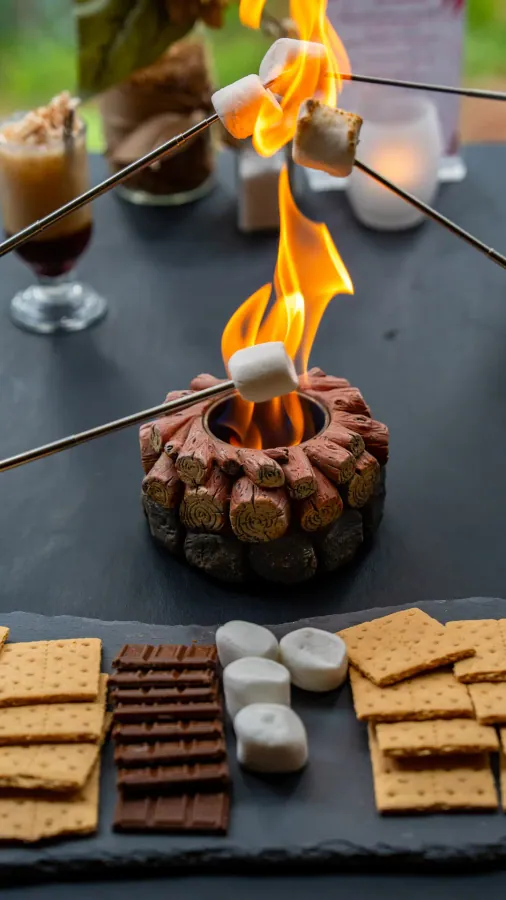
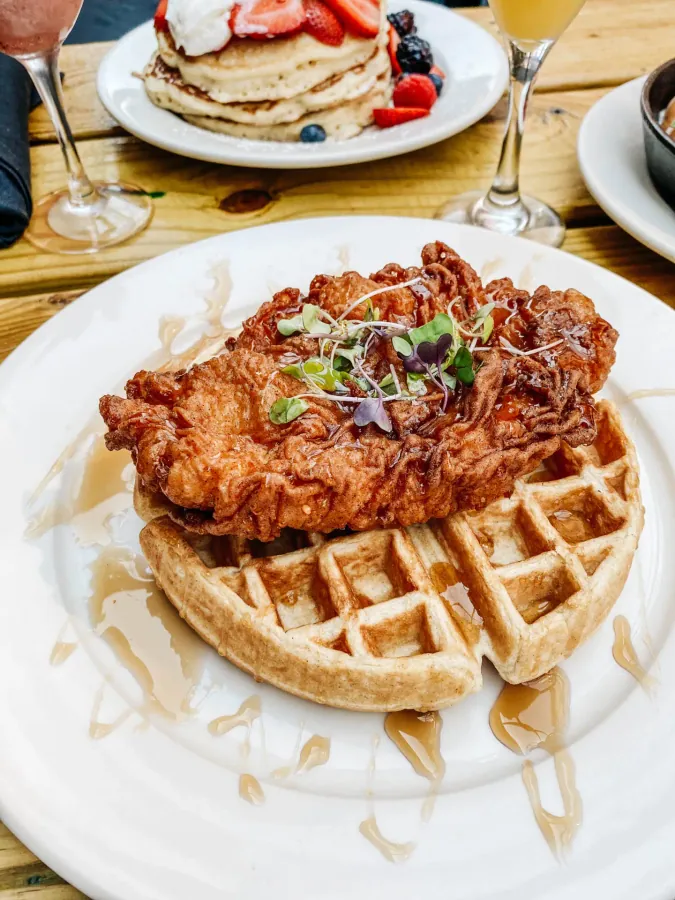
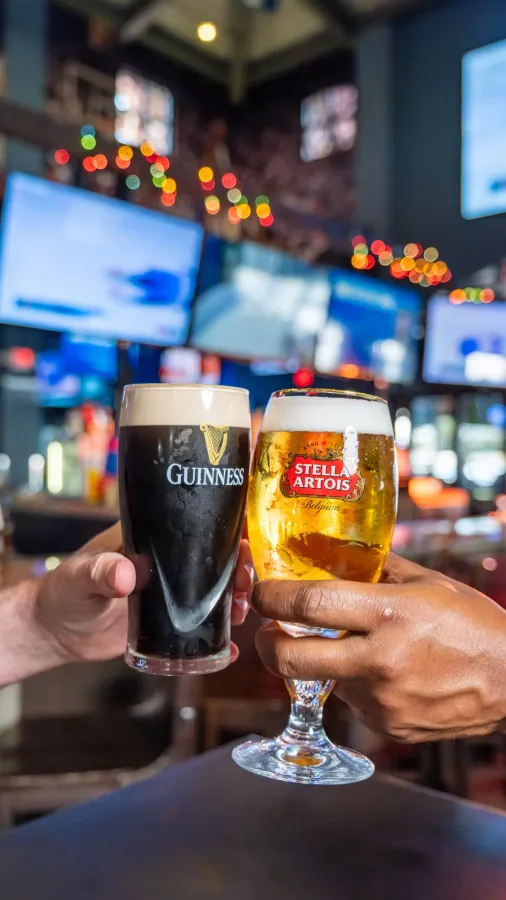
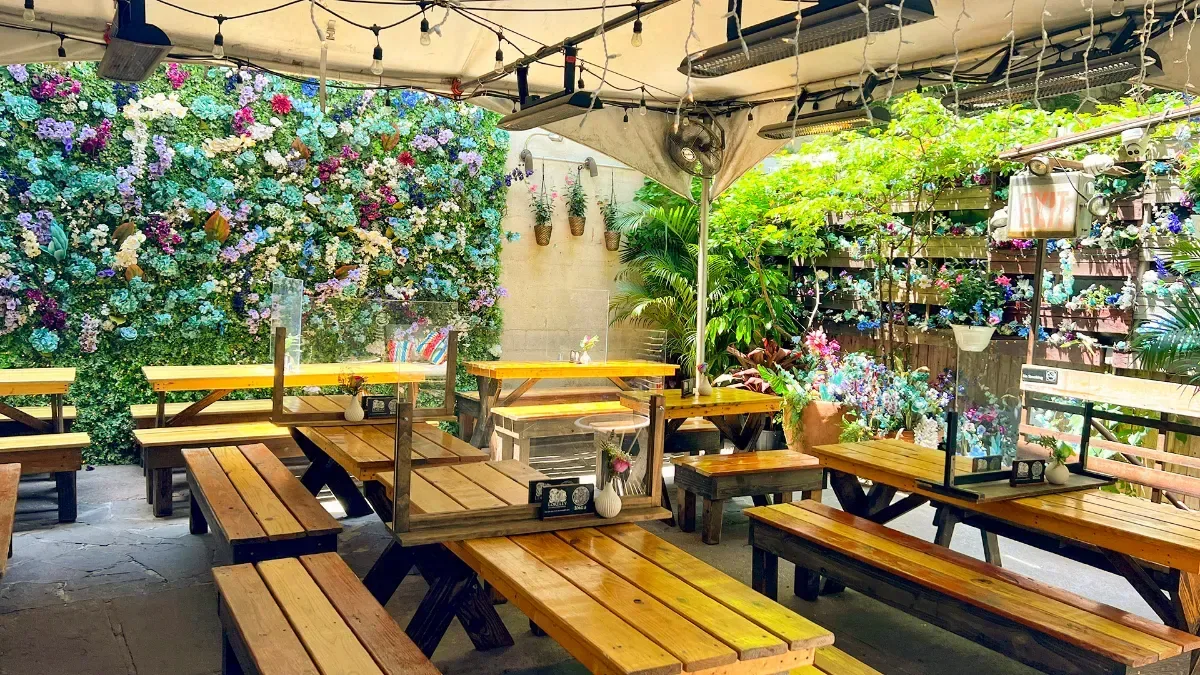
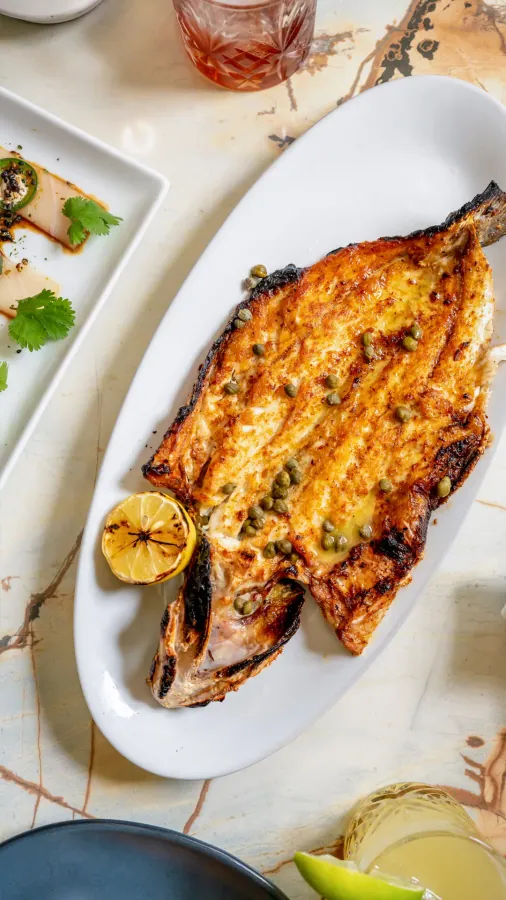
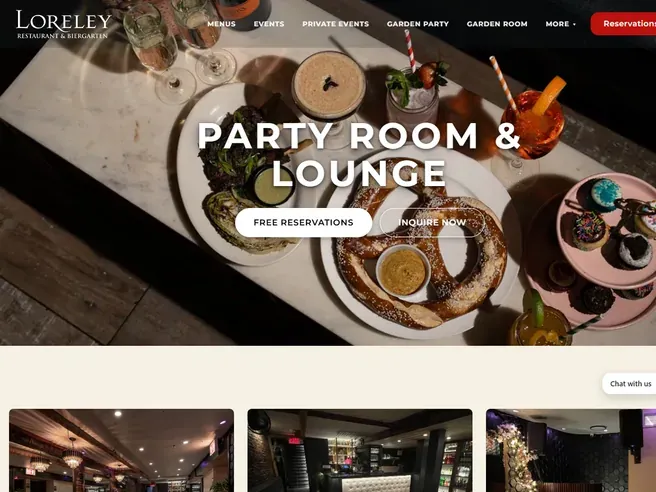
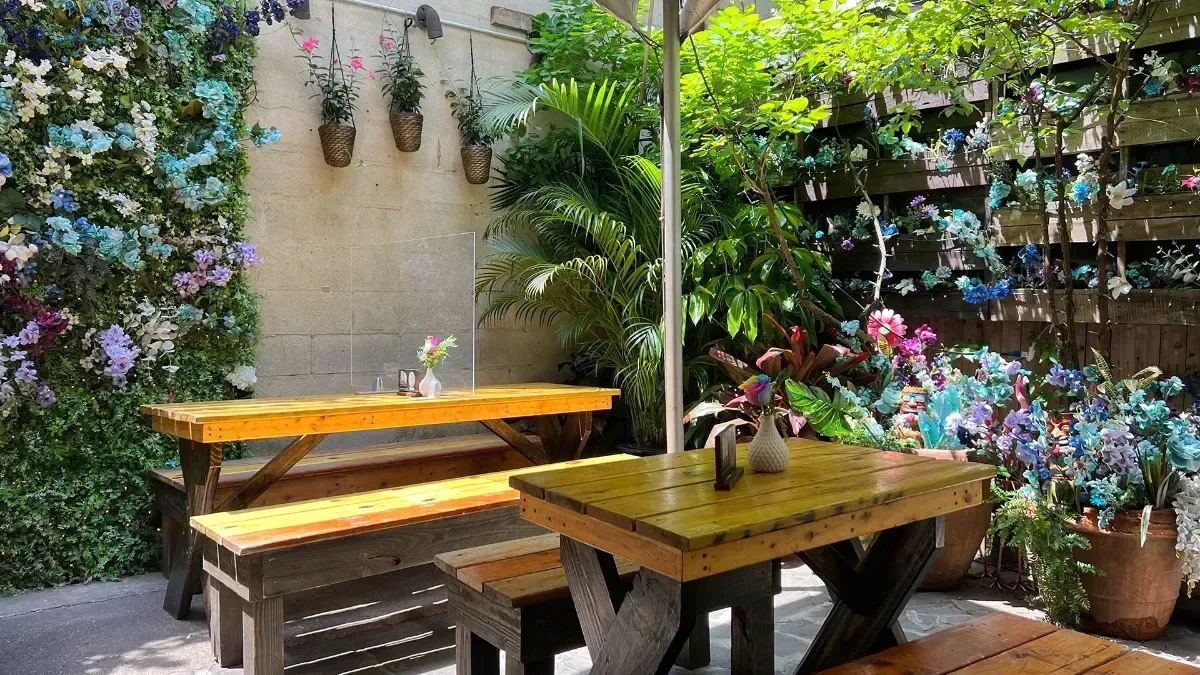
Frames from our own garden and from on-site shoots for restaurants we work with, each one a piece of a single week's work.
Free AI visibility report
Check the jobs guests see.
The scorecard is your view from the inside. The report shows what a guest nearby sees on Google and in AI search.
Asked an AI assistant
“Good place for a team lunch within walking distance?”
- 1.The noodle bar near the station
- 2.The family Italian place on Elm
- 3.The cafe with the long tables
Your restaurant?
Your report checks: how guests find you
FreeAbout a minuteNo card
FAQ
Questions about who should run your marketing
What owners ask when they are choosing between a freelancer, a hire and an agency.
Is a freelancer enough for one restaurant?
For posting, often yes. The gaps show up when you need video shot on site, ads aimed at your neighborhood and a page that takes the booking, all working together. If one person can do all of that, keep them. If not, write down who owns each of the seven jobs so nothing falls between them.
When does it make sense to hire a marketer in-house?
When you have several locations or enough volume to keep a full-time person busy on content, ads and the website every week. Below that, most owners end up doing the stitching themselves, because one person rarely shoots, writes and runs ads equally well. Whoever you hire, keep every account in the restaurant's name.
What does a restaurant agency do that a general agency does not?
It plans around nights, seasons and the few miles your guests come from, and it reports covers, orders and bookings instead of reach. It knows that one private party can be worth more than a week of a single table. Ask any agency for a current restaurant client's monthly report before you sign.
Can I mix a freelancer and an agency?
Yes, and many owners do. Keep the photographer you trust and hand the ads, the website and the reporting to one team, or keep posting yourself and hire help only for the ads. Just make sure every job has one owner and someone checks each week that the pieces still say the same thing. Our agency page lists what we run as a whole.
Should my agency own my ad account?
No. The ad account, the business page, the website and the photos should all be in your restaurant's name, with the agency given access. If you part ways, you keep the history, the audiences and the content you paid for. Ask about this before you sign, not after.
How do I know if my marketing is working?
Look at the nights and the bookings, not the likes. Count party inquiries, reservations and online orders by where they came from, and compare sales on the night an offer targets with the same night before it started. If your report cannot tell you what last month's spend brought in, that is the first job to fix. Our guide to slow nights shows how to set up that comparison.
What does ION run at its own restaurant?
The pieces behind the jobs, added one at a time in 2026. Three shoots in March, every inquiry in one place from April, our AI event manager answering from May, and a new website with online reservations in July. A report of inquiries, replies, bookings and value has gone out every month since July.
Free AI visibility report
Score yourself against real guests.
The free report shows what a guest nearby sees when they search for a place like yours, next to the places around you.
Or book a growth callFree
Which restaurant should we look at?
Free, ready in minutes. No card, no call required.
Before you go
281 parties. Five months. One restaurant.
1,163party inquiries
281parties booked
$326,963event value
The case study from our own beer garden: what we built and every number traced to its source.