
TL;DR:
- Effective restaurant advertising drives consistent traffic, private event bookings, and brand loyalty.
- Email and SMS automation provide the highest ROI for repeat customers and event promotions.
- Balancing brand-building and promotions is key for sustained growth and long-term customer loyalty.
Most full-service restaurant owners know they need to advertise. But very few understand just how much revenue they’re leaving on the table by treating advertising as an afterthought. The right advertising strategy doesn’t just fill seats on a slow Tuesday. It books private events, builds lasting loyalty, and creates the kind of word-of-mouth that money can’t buy directly. And the numbers back it up: email and SMS automation alone can yield 15 to 25 times ROI for restaurant operators. This guide breaks down exactly what works, what doesn’t, and how to put it all together.
Table of Contents
- Why advertising matters in the hospitality industry
- Advertising strategies that boost event bookings and revenue
- Which advertising channels deliver the highest ROI?
- Brand-building vs. promotions: Striking the right balance
- How to track advertising success and maximize impact
- Our take: What most owners miss about restaurant advertising
- Ready to grow your restaurant with smarter advertising?
- Frequently asked questions
Key Takeaways
| Point | Details |
|---|---|
| Advertising drives bookings | Focused advertising increases both guest traffic and profitable private events for restaurants. |
| Email/SMS offer top ROI | Automated campaigns generate the highest return and are crucial for targeted event marketing. |
| Balance brand and promos | Sustainable growth comes from blending long-term brand-building with well-timed promotions. |
| Measure and optimize | Track results and adjust strategies to maximize the impact of your advertising spend. |
Why advertising matters in the hospitality industry
Let’s be direct. Advertising isn’t optional anymore. It’s the engine behind consistent bookings, packed dining rooms, and sold-out private events. If you’re not actively putting your restaurant in front of the right people, someone else is.
Modern guests don’t stumble into restaurants the way they used to. They search, scroll, read reviews, and check social profiles before they ever walk through your door. That means your digital presence is your first impression, and advertising shapes how that impression lands.
Here’s what strong advertising actually does for a full-service restaurant:
- 📈 Drives consistent traffic during slow periods, not just weekends
- 🎉 Fills private event calendars weeks or months in advance
- 🌟 Builds social proof through visibility, reviews, and engagement
- 💬 Creates word-of-mouth that amplifies every dollar you spend
- 🔁 Brings guests back through retargeting and loyalty-focused campaigns
The financial stakes are real. A good marketing ROI benchmark sits at 500%, and most restaurants allocate 3 to 6% of their revenue to marketing. That’s not a small line item. It’s a strategic investment that pays back multiple times over when done right.
“The restaurants that win long-term aren’t the ones with the best food alone. They’re the ones who consistently show up in front of their ideal guests with the right message at the right time.”
There are two types of advertising at play here: brand-building and short-term promotions. Brand-building is the slow burn that creates recognition and loyalty. Promotions drive immediate action, like a Valentine’s Day prix fixe or a summer event package. Both matter. The mistake most owners make is running only one or the other. To increase restaurant bookings consistently, you need both working together in a coordinated strategy.
The hospitality industry is competitive. Your guests have endless options. Advertising is how you stay top of mind, earn trust, and turn first-time visitors into regulars who book your private dining room for every milestone event.
Advertising strategies that boost event bookings and revenue
Private events are one of the most profitable revenue streams a full-service restaurant can have. Yet most owners undermarket them. They rely on walk-ins, word-of-mouth, or a buried page on their website. That’s a missed opportunity.
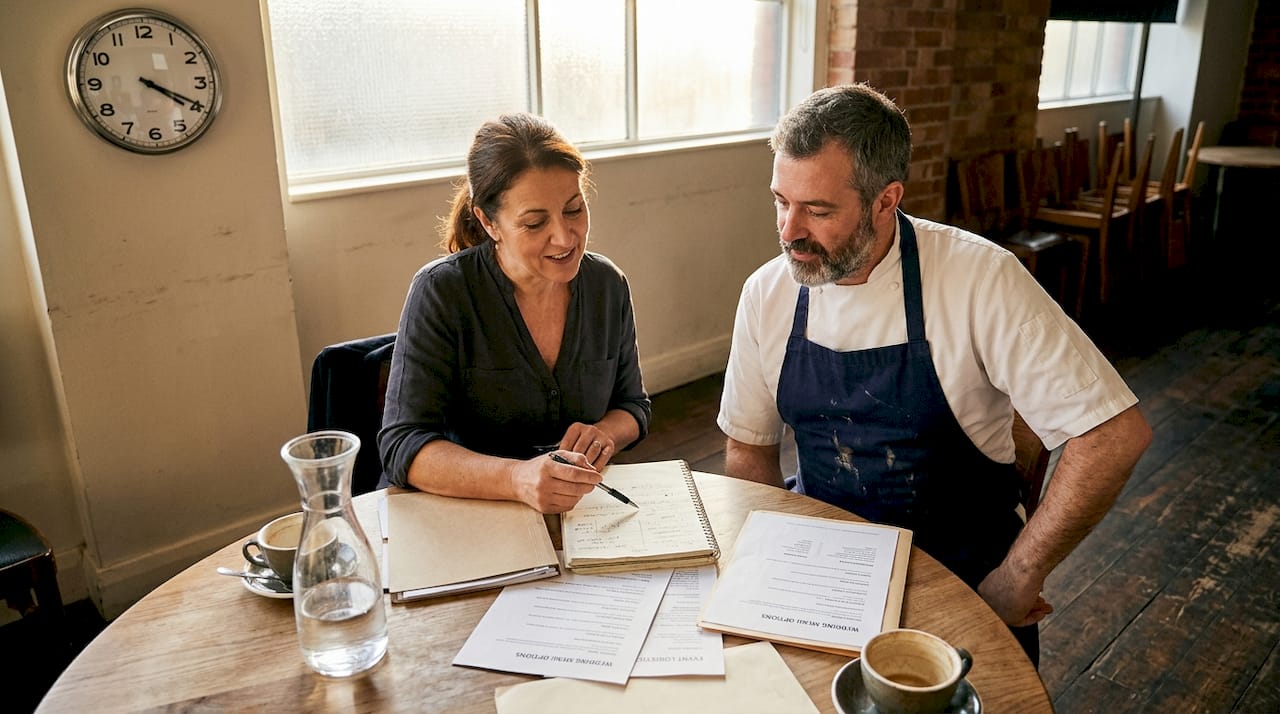
Private events boost revenue by 30 to 40%, and event profit margins range from 20 to 60% compared to just 2 to 6% for regular dining. That gap is enormous. Advertising specifically for private events isn’t just smart. It’s one of the highest-return moves you can make.
Here’s how to build a targeted event advertising strategy:
- Create a dedicated landing page for private dining. It should include photos, capacity details, menu options, and a clear inquiry form. This page becomes the destination for all your ads.
- Run social media showcases of past events. Real photos and video clips of birthday dinners, corporate lunches, and rehearsal dinners build social proof instantly.
- Use segmented email outreach to reach guests who’ve visited multiple times or spent above average. These are your most likely private event customers.
- Launch targeted paid social campaigns focused on life events: birthdays, anniversaries, corporate team dinners. Target by location, age, and interest.
- Partner with local businesses for corporate catering and group dining. Check out these group dining organization tips for ideas on structuring group experiences that convert.
| Revenue type | Profit margin | Impact on annual revenue |
|---|---|---|
| Regular dining | 2 to 6% | Baseline |
| Private events | 20 to 60% | +30 to 40% revenue uplift |
| Catering packages | 15 to 45% | High volume, scalable |
Explore proven event marketing strategies to see how restaurants are turning their private dining rooms into consistent revenue machines.
Pro Tip: Use email automation to send personalized event offers to guests who haven’t visited in 60 to 90 days. A well-timed message about your private dining experience can re-engage lapsed guests and convert them into high-value event bookings.
Which advertising channels deliver the highest ROI?
Not all advertising channels are created equal. Some burn through your budget with minimal return. Others quietly generate bookings while you sleep. Knowing which is which is the difference between a profitable ad spend and a frustrating one.
Here’s a direct comparison of the most common channels for full-service restaurants:
| Channel | Estimated ROI | Best use case |
|---|---|---|
| Email and SMS automation | 15 to 25x | Repeat guests, event promos |
| Paid social (Meta, Instagram) | 3 to 8x | Brand awareness, event ads |
| Google Search ads | 2 to 5x | High-intent local search |
| Organic social media | Variable | Community building, engagement |
| Print and traditional | 1 to 2x | Local brand recognition |
Email and SMS automation consistently tops the list, delivering up to $142,000 per year in additional revenue for a $1.5 million venue. That’s not a rounding error. That’s a real business impact from a channel many restaurants underuse.
Here’s how to get the most out of your channel mix:
- 🎯 Stack channels intentionally. Use social ads to capture new audiences, then retarget with email and SMS once they’ve engaged.
- 📊 Track source-specific conversions. Know exactly which channel drove each booking or inquiry.
- 🔄 Refresh creative regularly. Ads fatigue fast. Rotate visuals and copy every 3 to 4 weeks.
- 💡 Prioritize mobile-first formats. Most guests discover restaurants on their phones. Vertical video and SMS links outperform desktop-focused content.
If you’re looking to attract new customers beyond your existing base, paid social combined with email automation is the most reliable combination. And if you serve a specific type of cuisine or guest profile, exploring niche marketing approaches can sharpen your targeting and reduce wasted spend.
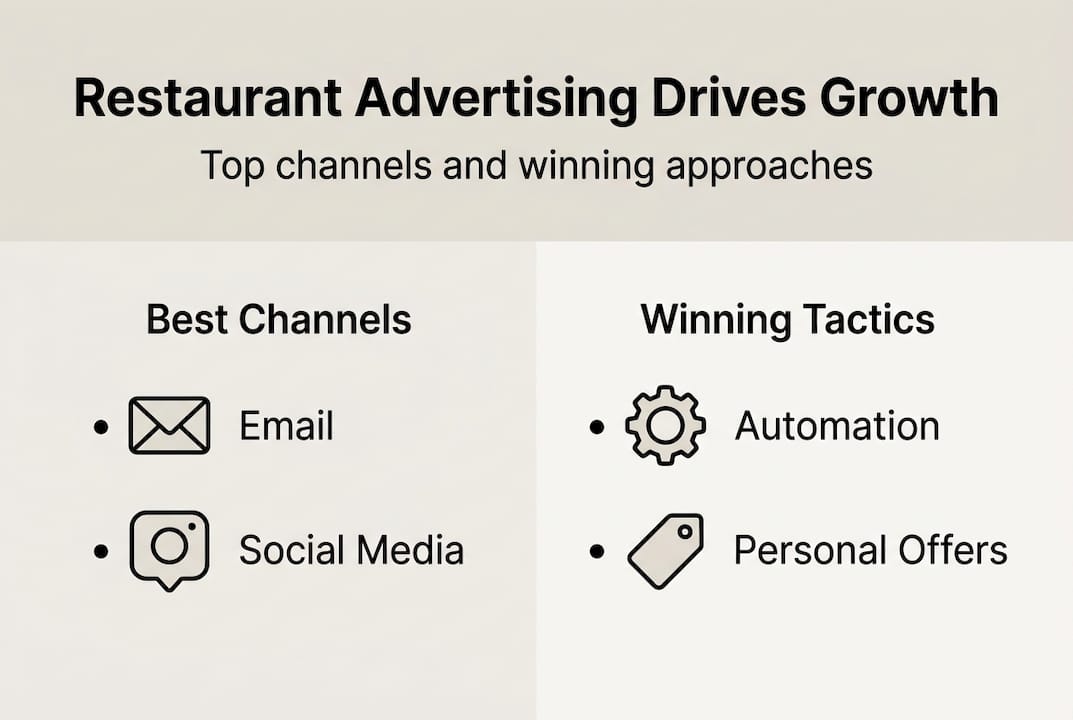
Pro Tip: Don’t spread your budget across every channel at once. Start with email and SMS automation plus one paid social platform. Master those two, measure results, and then expand.
Brand-building vs. promotions: Striking the right balance
Here’s a tension every restaurant owner faces: Do you run a promotion to drive immediate reservations, or do you invest in brand-building that pays off months from now? The answer is both, but the ratio matters.
“The shift from product-promo ads to brand-building is essential. Regulations and market challenges increasingly favor established brands that have built genuine recognition and trust.”
Promotions are powerful. A well-timed happy hour push or a private event package deal can generate a surge of bookings within days. But if that’s all you run, you’re training your audience to wait for a deal. That erodes your perceived value over time.
Brand-building does something different. It makes guests choose you even when there’s no discount. It creates the kind of loyalty that fills your private dining room for New Year’s Eve without a single coupon.
Here’s how to integrate both effectively:
- ✅ Tell your story consistently. Share the history of your restaurant, your chef’s inspiration, and what makes your guest experience unique.
- ✅ Use promotions strategically. Tie them to real events: holidays, local happenings, milestones. Avoid random discounting.
- ✅ Show your team and culture. Guests connect with people, not just plates. Behind-the-scenes content builds emotional loyalty.
- ✅ Anchor promos to your brand. A promotion should feel like an extension of your identity, not a desperate grab for attention.
- ✅ Measure brand lift separately. Track metrics like follower growth, brand mentions, and repeat visit rates alongside direct booking conversions.
To boost brand awareness in a way that sticks, you need a clear point of view. Guests should be able to describe your restaurant in one sentence. If they can’t, your brand messaging needs work. Explore brand positioning strategies to sharpen how you show up across every channel.
How to track advertising success and maximize impact
Running ads without tracking results is like cooking without tasting. You might get lucky, but you’ll never know what actually worked.
Here’s a practical system for measuring your advertising performance:
- Track bookings by source. Ask every inquiry: “How did you hear about us?” Use UTM links in digital ads to automate this.
- Monitor event inquiries weekly. A spike or drop in private dining inquiries tells you immediately whether your campaigns are working.
- Measure repeat visit rates. Advertising should increase loyalty, not just one-time visits. Track how often guests return within 90 days.
- Calculate true ROI per channel. Divide revenue generated by ad spend for each platform. Don’t average across channels. Know each one individually.
- Watch brand mentions and reviews. A strong advertising campaign often triggers an uptick in organic reviews and social tags.
Restaurants that allocate 3 to 6% of revenue to marketing need to know every dollar is working. Tracking makes that possible. Use tools like Google Analytics, your reservation platform’s reporting, and your email platform’s conversion data to build a clear picture.
Pro Tip: Set quarterly milestones for each channel. Review performance every 90 days and adjust based on data, not gut feelings. What worked in Q1 might need a refresh by Q3.
If you want to stay ahead of shifts in guest behavior, make it a habit to monitor online trends regularly. Trends move fast in hospitality, and your advertising should move with them.
Our take: What most owners miss about restaurant advertising
After working with full-service restaurants across the country, we’ve noticed a pattern. The owners who struggle with advertising are usually focused on the wrong thing. They obsess over the ad itself, the creative, the offer, the platform. But they miss the bigger picture.
The most successful restaurants don’t just run ads. They create memorable moments with every campaign. Their advertising feels like an extension of the experience inside their four walls. It’s consistent, it’s emotional, and it reflects what guests actually care about.
What gets overlooked most often is experience-driven advertising. Photogenic events, real guest stories, behind-the-scenes moments. These build loyalty that no discount can replicate. And they compound over time. Every piece of content you put out either adds to or subtracts from your brand’s reputation.
The other thing owners miss? Consistency. Running ads for two weeks and stopping because you didn’t see immediate results is one of the most common and costly mistakes we see. Advertising builds momentum. It rewards patience and punishes inconsistency.
Stay current with the latest hospitality trends and let them inform your messaging. Guests’ priorities shift. Your advertising should reflect what matters to them right now, not what worked two years ago.
Ready to grow your restaurant with smarter advertising?
You now have a clear picture of what effective restaurant advertising looks like: the right channels, the right balance of brand and promotion, and a system for tracking what works. But knowing the strategy and executing it consistently are two very different things.
At ION Hospitality, we specialize in social media advertising services built specifically for full-service restaurants. We help you get more customers through the door, book more private events, and grow catering revenue, all with zero commissions. Whether you’re starting from scratch or looking to sharpen what you already have, we’re ready to help. Start by exploring how to boost brand awareness or go ahead and schedule a discovery call to talk through your specific goals.
Frequently asked questions
What is a good marketing budget for a restaurant?
Most restaurants spend 3 to 6% of total revenue on marketing, which aligns with industry benchmarks and supports consistent growth without overextending cash flow.
Which advertising channel is most effective for getting private event bookings?
Email and SMS automation consistently delivers the highest returns, with 15 to 25x ROI and the ability to reach high-spend guests with personalized event offers at exactly the right moment.
How much can private events increase restaurant revenue?
Private events can increase restaurant revenue by 30 to 40%, with profit margins of 20 to 60% compared to just 2 to 6% for regular dining service.
Does brand advertising matter as much as promotions?
Absolutely. Building a strong brand creates lasting guest loyalty and resilience, while promotions drive short-term spikes. Industry insight shows that established brands weather market challenges far better than those relying solely on discounts.
Recommended
- How hospitality marketing evolved: strategies for restaurants
- Smart strategies to attract new restaurant customers in 2026
- Boost Restaurant Brand Awareness: A Step-by-Step Guide
- How restaurant marketing increases bookings: guide for owners
- Rol de las reservas en restaurantes – Impacto para locales de pollo a l’ast en Barcelona

Add a Comment