
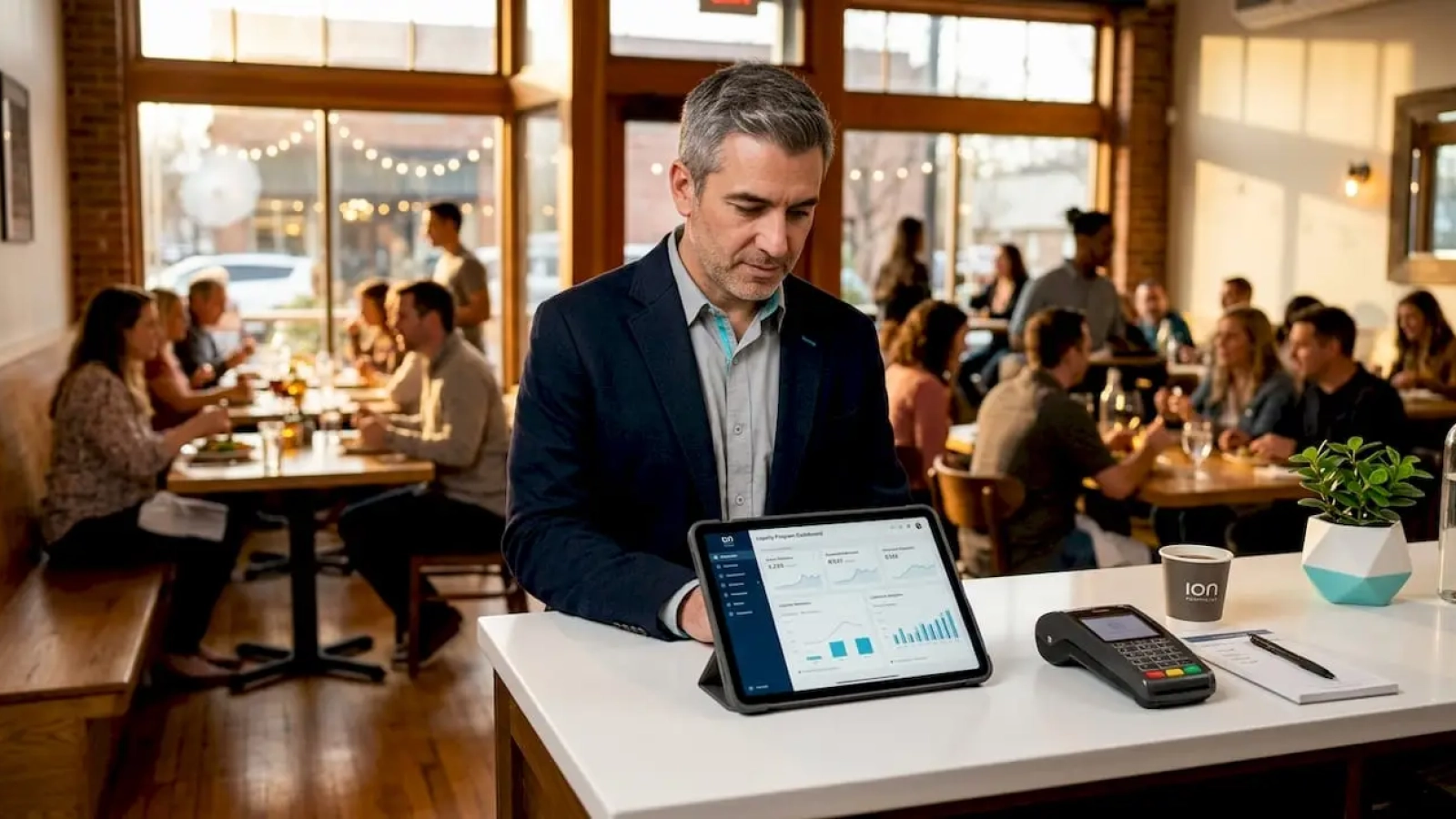
TL;DR:
- Modern restaurant loyalty programs use wallet-native technology to reduce friction and increase enrollment, leading to more repeat visits. They involve seamless enrollment, behavior-driven rewards, omnichannel integration, and disciplined staff training for effective growth. Key metrics such as enrollment, visit frequency, redemption, and win-back rates should be regularly monitored to optimize program performance.
Restaurant loyalty programs are structured reward systems that incentivize repeat visits by giving customers tangible value every time they spend at your restaurant. The industry standard term is “customer loyalty program,” and in 2026, the best ones run on wallet-native technology, QR code enrollment, and automated messaging rather than clunky apps and punch cards. Chipotle’s “Rewards on Repeat” relaunch and Portillo’s tiered program both prove the same point: when loyalty feels effortless for the guest, it prints money for the operator. This guide breaks down exactly how these programs work, which model fits your restaurant, and how to launch one that actually drives return visits.
What are restaurant loyalty programs and how do they work?
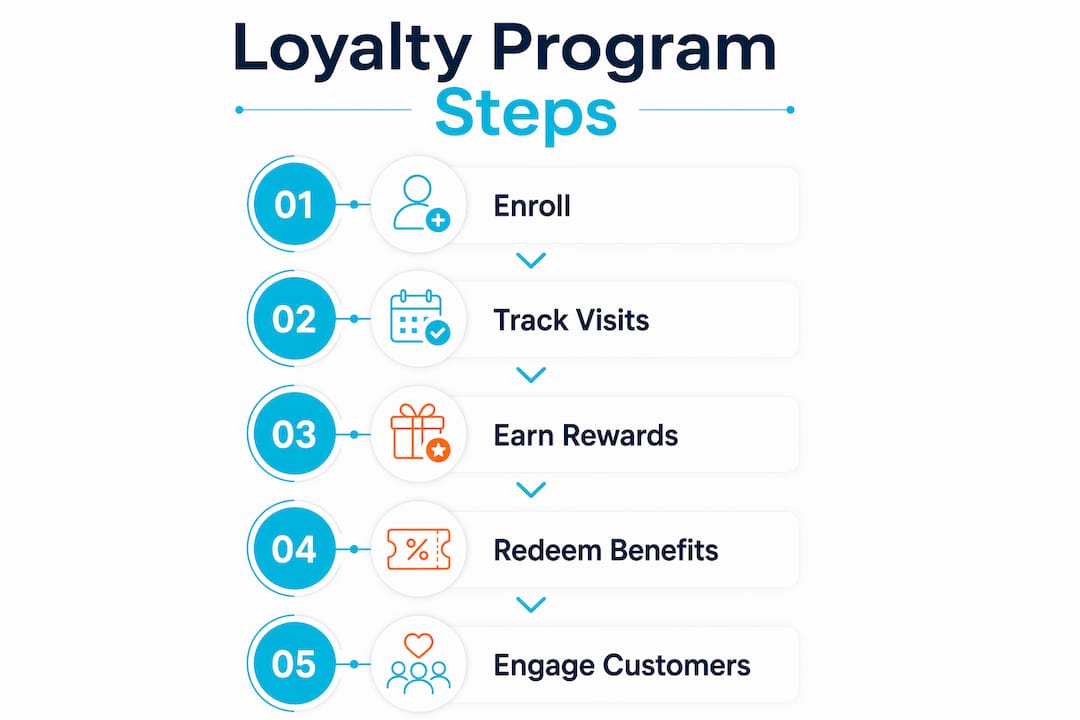
A restaurant loyalty program is a reward system that captures guest identity at checkout, tracks spending or visits, and delivers incentives that pull customers back. The four core components are enrollment, earning, redemption, and automated re-engagement. Get all four right and you have a machine that runs in the background while your team focuses on service.
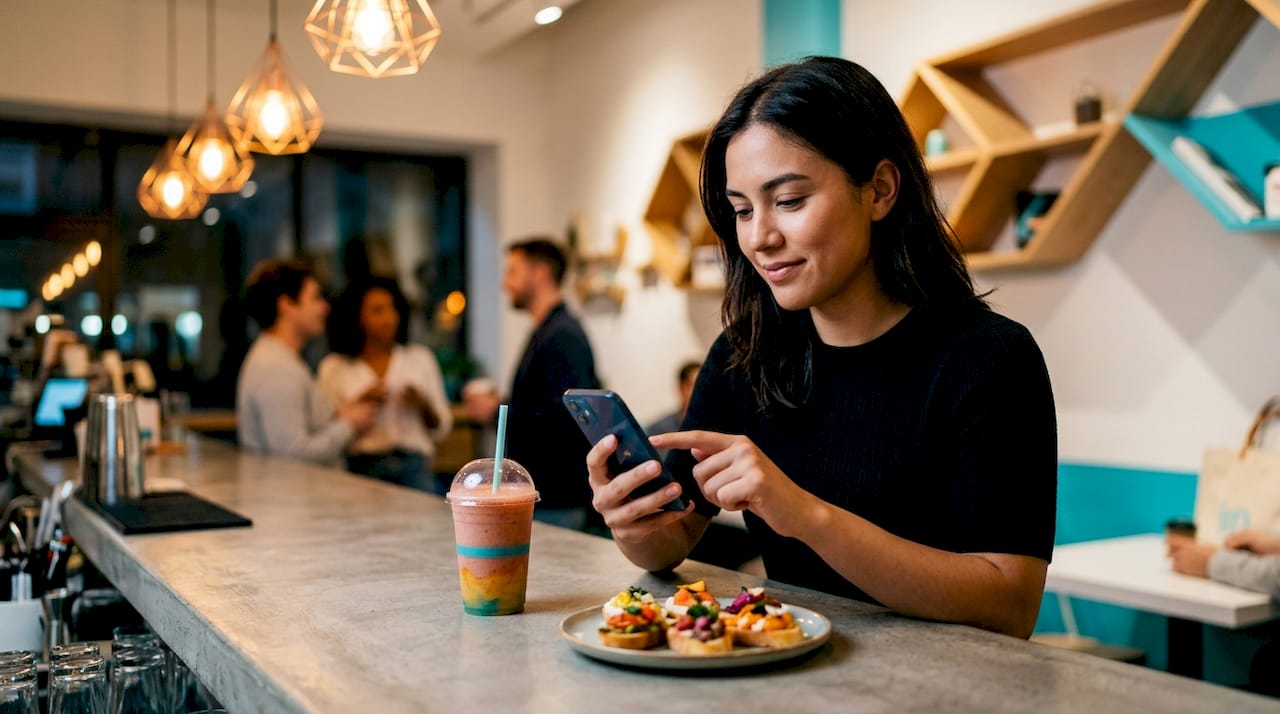
Modern programs in 2026 are built around reducing friction at every step. Wallet-native loyalty reduces behavioral friction compared to app-only programs, which means guests are far more likely to actually use what they signed up for. No app download. No forgotten password. The loyalty card lives in Apple Wallet or Google Pay, and it updates automatically.
Here is how the operational flow works in practice:
- Enrollment: A guest scans a QR code at the table, on the receipt, or at the POS. They enter a name and phone number. Done. No app store required.
- Earning: Every qualifying purchase automatically credits points or stamps to their profile. Programs like King Taco award points only when a phone number is provided at payment, which keeps identity capture clean and fraud low.
- Redemption: The guest receives a reward notification and redeems at checkout. Chipotle’s 21 million active members redeem through a refreshed rewards exchange with lower thresholds, which means more members actually reach a reward instead of abandoning the program.
- Automated re-engagement: Three automated messages cover the majority of retention lift. A welcome message fires after signup. A near-reward nudge fires when a guest is one visit away from a reward. A win-back campaign fires when a member goes 30 or more days without a visit.
The smartest operators also connect loyalty across every ordering channel. The Deliverect and DataCandy integration, for example, links first-party orders to loyalty profiles automatically across web, app, kiosks, and in-store POS. That means a guest who orders online on Monday and walks in on Thursday gets credit for both visits without any manual intervention.
Pro Tip: Place QR code enrollment signage in three spots: table tents, the receipt footer, and the counter display near the POS. Tripling your touchpoints without adding staff effort is the fastest way to accelerate enrollment in the first 90 days.
What types of loyalty programs work best for restaurants?
Four models dominate the restaurant rewards program space. Each one fits a different type of operation, average check size, and visit frequency. Choosing the wrong model is the most common mistake independent operators make.
| Program type | Best for | Ideal avg. check | Visit frequency |
|---|---|---|---|
| Stamp/visit-based | QSR, cafes, fast casual | Under $15 | Daily to weekly |
| Points-per-spend | Casual and full-service dining | $20 to $60 | Weekly to monthly |
| Tiered (Silver/Gold/Platinum) | Full-service, polished casual | $40 and above | Monthly |
| Subscription (paid membership) | High-frequency fast casual | Any | 3 or more times per week |
Here is what each model actually means for your operation:
- Stamp/visit-based programs reward guests for showing up, not for how much they spend. This works well for coffee shops and fast casual spots where the average check is low but visits are frequent. A 4 to 6 stamp card with a 3 to 6 week reward cycle keeps motivation high without giving away margin. Keep reward cost between 8% and 15% of total customer spend across the full cycle.
- Points-per-spend programs scale naturally with check size, which makes them ideal for casual dining where a table of two might spend $55 one visit and $80 the next. Guests earn proportionally and feel rewarded for splurging.
- Tiered programs create aspiration. A guest who reaches Gold status feels recognized, not just rewarded. This model works best when your brand has enough prestige that status means something to your customer.
- Subscription models are the most aggressive play. Guests pay a monthly fee for perks like free drinks or priority seating. This locks in visit frequency but requires a high-trust brand relationship before guests will commit.
The biggest trap is building a program that splits rewards across separate balances or channels. Single-profile loyalty experiences outperform fragmented ones because guests never have to wonder where their points went or which app to open.
How to design and launch a high-performing loyalty program
Launching a customer loyalty program for your restaurant is a six-step process. Skip a step and you will either confuse your guests or burn out your staff.
- Choose your program structure. Match the model to your visit frequency and average check using the table above. Most independent restaurants with checks under $25 should start with a stamp-based program. It is the easiest to explain at the counter.
- Pick your delivery method. In 2026, wallet-native passes are the clear winner. They require no app download, update in real time, and live on the device your guests already check 100 times a day. App-only programs create a download barrier that kills enrollment before it starts.
- Set your reward cycle. A 4 to 6 stamp cycle completed in 3 to 6 weeks is the sweet spot for weekly visitors. Add a “welcome stamp” on signup to give guests an instant head start. That first stamp is the most powerful motivator in the entire program.
- Integrate across every channel. Your loyalty program should recognize a guest whether they order at the counter, through your website, or via a kiosk. Omnichannel integration like the Deliverect and DataCandy model removes the friction of manual credit requests and keeps your data clean.
- Train your staff. Every team member at checkout should ask one question: “Are you part of our rewards program?” That single prompt, asked consistently, is the difference between 10% enrollment and 40% enrollment. Post a script near every POS terminal.
- Avoid POS-bundled loyalty. When your loyalty data lives inside your POS contract, you lose it the moment you switch systems. POS-bundled loyalty locks your customer database inside a vendor relationship. Own your data independently from day one.
Pro Tip: Run a “double stamp week” in your first month to accelerate enrollment and get your first cohort of members to redemption quickly. Early redemptions create social proof and word-of-mouth that no ad budget can replicate.
How to measure and optimize your program’s performance
You cannot fix what you do not measure. These are the four metrics every restaurant owner should track from month one:
- Enrollment rate: Target 25 to 40% of weekly customers enrolled within the first 3 months. If you are below 15%, your staff is not asking or your signup process has too many steps.
- Return visit rate: Loyalty members should visit 1.5 to 2.5 times more often than non-members. If the gap is smaller than that, your reward cycle is too long or your reward is not compelling enough.
- Redemption rate: A healthy program sees more than 20% of earned rewards actually redeemed. Low redemption means guests are not reaching the reward threshold, which signals your cycle is too long or your points structure is confusing.
- Win-back recovery rate: For members who lapse 30 or more days, a targeted win-back message should recover 10 to 20% of them. Below 10% means your message is wrong, your offer is weak, or you are sending it too late.
When a metric falls short, diagnose before you change anything. Low enrollment is almost always a staff training problem. Low redemption is almost always a program design problem. Low return visit rate is almost always a messaging problem. Fix the root cause, not the symptom. Pair your loyalty data with repeat customer strategies to compound the impact of every program improvement you make.
The Mr. Puffs brand recorded a 112% sales increase and 3.5 times membership growth within four months after launching an engagement-focused loyalty campaign. That result did not come from a better punch card. It came from a disciplined approach to measuring what worked and doubling down on it.
Key takeaways
The most effective restaurant loyalty programs combine wallet-native enrollment, omnichannel data integration, and behavior-driven rewards to turn one-time guests into regulars who spend more and visit more often.
| Point | Details |
|---|---|
| Choose the right model | Match stamp, points, tiered, or subscription programs to your check size and visit frequency. |
| Go wallet-native in 2026 | Skip app downloads and use Apple Wallet or Google Pay passes to maximize enrollment. |
| Train staff to ask | A single consistent prompt at checkout is the fastest driver of enrollment growth. |
| Track four core metrics | Monitor enrollment rate, return visit rate, redemption rate, and win-back recovery monthly. |
| Own your loyalty data | Never bundle loyalty inside a POS contract. Keep your customer database independent. |
What I have learned after watching hundreds of restaurant programs launch
I have seen restaurant owners spend thousands on loyalty platforms and get almost nothing back. I have also seen operators run a simple stamp card through a wallet pass and double their monthly visit frequency in 90 days. The difference is never the technology. It is the discipline.
The biggest mistake I see is treating loyalty as a marketing checkbox rather than a disciplined growth strategy. Operators launch a program, forget to train their staff, never look at the redemption rate, and then blame the platform when nothing happens. The platform is not the problem.
Here is my honest take on where loyalty is heading: the restaurants that win in the next two years will not have the fanciest app. They will have the cleanest data. They will know which guests are lapsing before those guests even realize they have not been back. They will send a win-back offer at exactly the right moment with exactly the right incentive. That is not magic. That is just good measurement combined with personalized marketing that actually reflects what a guest ordered last time.
My strongest advice: do not let your POS vendor own your loyalty data. The moment you sign a contract that bundles loyalty into your point-of-sale system, you have handed over your most valuable business asset. When you eventually switch systems, and you will, that customer database walks out the door with the old vendor. Start independent. Stay independent.
— Doug
How Ionhospitality helps restaurants build loyalty that sticks
Running a loyalty program without a marketing engine behind it is like opening a new location and telling no one. The program only works if guests know it exists and keep getting reminded why it matters.
At Ionhospitality, we run social media advertising campaigns specifically built for restaurants that want more repeat customers and more private event bookings. We amplify your loyalty program enrollment through targeted ads, scroll-stopping content, and retargeting sequences that bring lapsed members back through the door. No commissions. No fluff. Just more butts in seats. If you are ready to turn your loyalty program into a real growth engine, book a discovery call with our team and we will map out exactly what that looks like for your restaurant.
FAQ
What is a restaurant loyalty program?
A restaurant loyalty program is a structured reward system that tracks customer visits or spending and delivers incentives like free items or discounts to encourage repeat business. The most effective programs in 2026 use wallet-native passes and automated messaging to keep guests engaged without requiring an app download.
How do I choose the right loyalty program type for my restaurant?
Match your program model to your average check and visit frequency. Stamp-based programs work best for fast casual and QSR with checks under $15 and frequent visits, while points-per-spend models suit casual dining with higher and more variable check sizes.
What enrollment rate should I expect in the first 90 days?
Independent restaurants should target 25 to 40% of weekly customers enrolled within the first three months. If you fall below that range, the most common fix is consistent staff prompting at checkout rather than changes to the program itself.
How do I know if my loyalty program is actually working?
Track four metrics monthly: enrollment rate, return visit rate, redemption rate, and win-back recovery rate. Loyalty members should visit 1.5 to 2.5 times more often than non-members, and your redemption rate should stay above 20% to signal the program is genuinely motivating behavior.
Should I use my POS system’s built-in loyalty feature?
Only if you fully own and can export your customer data at any time. POS-bundled loyalty locks your guest database inside a vendor contract, which creates serious risk when you switch systems. An independent loyalty platform gives you full data ownership and program flexibility regardless of which POS you use.

Add a Comment