

Radio works for restaurants. Not because it’s old-school, but because it catches people at exactly the right moment: hungry, in the car, five minutes from deciding where to eat. Done right, radio advertising puts your restaurant in that decision before a competitor does.
Here are the core restaurant radio advertising tips you need before spending a single dollar on airtime:
- One message per ad. Pick your strongest offer or hook. One clear idea lands; three ideas vanish.
- Use sensory language. “Slow-smoked brisket, falling off the bone” beats “great food at great prices” every time.
- Know your listener. Match your message to the station’s audience, not just your menu.
- ⏰ Schedule for hunger. Morning drive (6–10 AM) primes lunch decisions. Afternoon drive (3–7 PM) owns dinner.
- End with a clear call to action. Tell listeners exactly what to do: call, visit, order online. Don’t leave it vague.
Why radio advertising works so well for restaurants
Radio reaches people during high-intent moments that most digital channels miss entirely. When someone is driving home at 5:30 PM, they’re not scrolling Instagram. They’re thinking about dinner, and your 30-second spot can answer that question before they even reach the exit.
Radio reaches a large majority of adults 18+ who dined at a sit-down restaurant, including a high percentage of Hispanic and Black diners who visited a sit-down restaurant in the past month. That’s not a niche channel. That’s your dining room audience, already tuned in.
The ROI case is just as strong. A Media Mix Model study found that AM/FM radio delivers $3.60 for every $1 spent for quick-service restaurants, ranking third overall behind only email and paid search. At moderate weekly spending levels, radio returned a high multiple on every dollar. That’s ahead of paid social, display, TV, and out-of-home.
Radio also drives digital behavior. An analysis of 208 restaurant advertisers found that radio generated a measurable lift in website traffic, translating to four website visits for every spot aired. Saturday drove the highest increase in engagement, with PM drive and midday as the top-performing dayparts for digital engagement.
One more thing worth knowing: radio’s sales impact doesn’t stop when the campaign ends. The same MMM analysis showed sales impact persisting for up to three weeks after a campaign concludes. Short-term measurement consistently underestimates what radio actually does for your bottom line.
How to define your audience and craft messaging that converts
Your message can only be as strong as your understanding of who you’re talking to. Before you write a single word of script, get specific about your listener.
Ask yourself:
- Who are they? Age range, neighborhood, income level, lifestyle.
- When do they listen? Morning commuters, midday office workers, evening drivers.
- What do they want? A quick lunch under $15? A date-night spot? Family-friendly weekend brunch?
- What station fits? Country, hip-hop, news/talk, and Top 40 each pull different demographics with different dining habits.
Generic messaging is the fastest way to waste your radio budget. “Come try our delicious food” tells a listener nothing. “Skip the drive-through. Our $12 lunch special is ready in under 10 minutes” speaks directly to a specific person with a specific problem.
Match your language to the station’s format and audience. An upscale Italian restaurant advertising on a classical music station should sound different from a taco spot on a hip-hop station. The words, the pace, the tone, all of it should feel native to what the listener already expects from that station.
Pro Tip: Revisit your audience profile every 8–12 weeks. Pull data from your campaign results, reservation patterns, and online order demographics. Real customer behavior beats assumptions every time.
How to write a radio ad script that makes listeners hungry
A 30-second radio spot gives you roughly seventy to eighty words. That’s it. Every word has to earn its place.
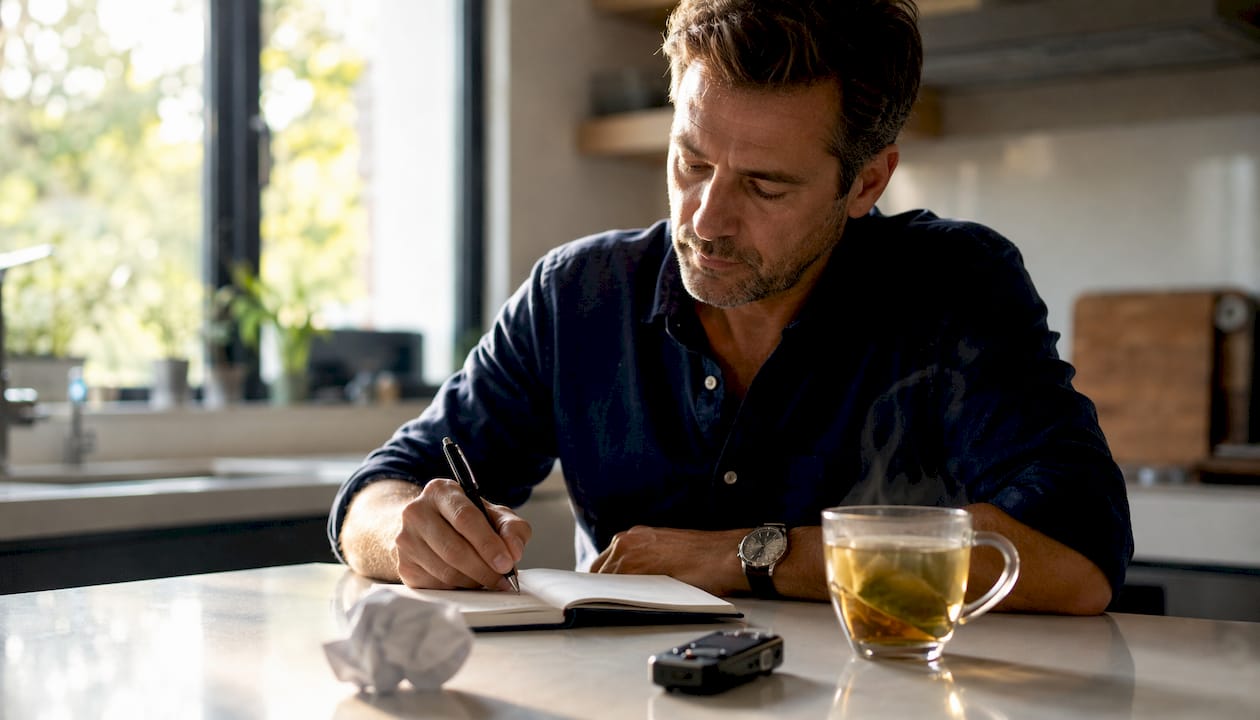
The biggest mistake restaurant owners make is trying to say too much. One offer, one emotion, one action. That’s the formula.
Script structure that works:
- Hook in the first 3 seconds. A sizzling sound effect, a provocative question, or a vivid sensory line. Listeners decide in seconds whether to tune out.
- Paint a picture. Don’t list menu items. Describe the experience. “The smell of garlic butter hits you at the door. Your table’s already waiting.”
- One clear offer. A specific dish, a limited-time deal, a reservation incentive.
- Strong call to action. “Call 555-0100 to reserve your table tonight” or “Visit TacoTuesdayNYC.com for this week’s special.”
Sample 30-second script framework:
[Sound: sizzling grill] “Friday night, and you still haven’t figured out dinner. We have. At [Restaurant Name], our wood-fired steaks are ready when you are. No wait, no stress. Just the best ribeye in [City]. Call [number] or visit [vanity URL] to grab your table tonight. [Restaurant Name]. Where Friday tastes like this.”
Keep the call to action simple enough to remember while driving. A vanity URL like “GetPizzaNow.com” works better than a complex web address. A memorable phone number beats a generic one.
Pro Tip: Read your script out loud at a natural speaking pace before recording. If you’re rushing to fit the words, cut. A relaxed delivery lands harder than a crammed one.
Choosing the right stations, time slots, and ad frequency
Station selection and scheduling are where most restaurant owners leave money on the table. Picking the wrong station is like putting a billboard in the wrong neighborhood.
Station selection:
- Match the station’s format to your customer’s profile. Country stations skew toward families and blue-collar workers. News/talk pulls older, higher-income listeners. Top 40 reaches 18–34 year-olds.
- Look at the station’s ratings data (Nielson Audio provides this) for your specific demographic.
- Consider community stations and local morning shows where hosts have built genuine trust with their audience.
Daypart strategy:
- Morning drive (6–10 AM): Best for promoting lunch specials, catering, and brunch. Listeners are planning their day.
- Midday (10 AM–3 PM): Strong for lunch-focused ads targeting office workers and commuters.
- Afternoon drive (3–7 PM): The most critical window for dinner-oriented restaurants. Commuters are actively deciding where to eat.
- Weekends: Saturday and Sunday are high-value for family dining, brunch, and special occasion meals.
Frequency targets:
Restaurants need approximately 21–27 exposures per week per listener to achieve message retention and response. That number sounds high, but it reflects how radio actually works: repetition builds recognition, and recognition drives decisions. Spreading your budget thin across five stations to maximize reach will dilute frequency below the threshold where the message sticks.

Pro Tip: When your budget forces a choice between reach and frequency, always pick frequency. Reaching 10,000 people once does less than reaching 2,000 people 10 times.
Understanding radio ad costs and calculating your ROI
Radio pricing varies by market size, station, daypart, and spot length. Here’s how the structure works:
- 15-second spots: Lower cost, good for reinforcing an established message or promoting a single limited-time offer.
- 30-second spots: The standard. Enough time to set a scene, make an offer, and include a call to action.
- 60-second spots: Higher cost, used for storytelling-heavy campaigns or complex offers.
Morning and afternoon drive slots cost more because listenership peaks. Midday and evening slots cost less and can be smart buys if your audience is active during those hours.
The cost per transaction for radio can drop as low as $11 when campaigns build accumulated awareness, compared to $58 per transaction for Meta ads during the same measurement period. That gap widens the longer a campaign runs, because radio’s awareness effects compound over time.
Track your ROI with these methods:
- Promo codes: “Mention RADIO15 for 15% off your first order.”
- Vanity URLs: Direct listeners to a dedicated landing page (e.g., PizzaNightNYC.com).
- Dedicated phone numbers: Use a unique number exclusively for the radio campaign.
- Reservation source tracking: Ask guests how they heard about you at booking.
For deeper tracking, pair radio with digital tools. A restaurant campaign tracking system that connects your radio promo codes to your POS and reservation data gives you a much clearer picture of what’s actually driving revenue.
Pro Tip: Measure sales lift over 4–6 weeks, not just the week the campaign runs. Radio builds cumulatively. Cutting a campaign after two weeks because you don’t see immediate results is one of the most common and costly mistakes in restaurant marketing.
Expert strategies to maximize your radio campaign’s impact
The restaurants that get the most from radio aren’t just buying airtime. They’re building a system around it.
Sound design matters more than most owners realize. The first three seconds of your ad determine whether a listener stays or mentally checks out. A sizzling grill, a cork popping, the ambient hum of a busy dining room: these sounds trigger appetite and emotion before a single word is spoken. Invest in professional audio production. A poorly recorded spot signals low quality before your food gets a chance to speak.
Rotate your creative every 4–6 weeks. Listener fatigue is real. Running the same spot for three months will cause your ad to fade into background noise. Rotate between seasonal menu highlights, special events, and different offers to keep the message fresh.
Integrate radio with digital channels. Cross-channel integration using unique promo codes, dedicated landing pages, and tracking links is how you prove radio’s effectiveness and extend its reach. When a listener hears your ad and then sees your Instagram post that same evening, the message reinforces itself. That layered exposure converts at a higher rate than either channel alone.
Test systematically. Run two different offers in alternating weeks and track which promo code gets more redemptions. Test morning drive versus afternoon drive. Let the data tell you where to concentrate spend.
Don’t cut radio too early. The MMM study that found radio’s $3.60 return also showed that the Australian QSR chain in the study had planned to cut radio before commissioning the analysis. After the model revealed radio’s true performance, the brand reinstated it and grew it into a cornerstone of their media strategy. Marketing-contributed revenue climbed roughly 30%, and year-over-year sales rose 5% through a difficult seasonal period.
Pro Tip: Pair your radio campaign with a social media advertising strategy that retargets listeners who visit your landing page. Radio drives the awareness; digital closes the conversion.
Common mistakes to avoid in restaurant radio advertising
Overloading the ad with information. Your restaurant’s address, phone number, website, three menu items, and a special offer cannot all fit in 30 seconds without sounding like an auctioneer. Pick one thing.
Ignoring the station’s audience. Buying airtime on the cheapest station without checking who actually listens is how you reach the wrong people at the right time. Audience fit beats price every time.
Skipping professional production. A low-quality recording with a flat voice and no sound design tells listeners your restaurant cuts corners. The production quality of your ad reflects directly on your brand.
Running ads sporadically. A two-week burst followed by six weeks of silence doesn’t build recognition. Consistent presence is what keeps your restaurant top of mind when a listener decides where to eat.
Using a generic call to action. “Visit us soon” is not a call to action. “Call 555-0100 to reserve your table for this Friday” is. Be specific, be urgent, and make it easy to act.
Measuring too early. Pulling the plug after two weeks because you can’t see immediate results ignores how radio actually works. Give campaigns at least 4–6 weeks before evaluating performance.
No tracking mechanism. If you can’t tell whether a customer came from radio, you can’t optimize your spend. Always include a promo code, vanity URL, or dedicated phone number.
How to use local events and promotions to supercharge your radio ads
Local events are one of the most underused opportunities in radio advertising for restaurants. When your ad connects to something the listener already cares about, it feels relevant instead of intrusive.
Tie your ads to the local calendar. A spot promoting your Valentine’s Day prix-fixe menu, your Super Bowl watch party, or your Mother’s Day brunch creates urgency that a generic brand ad never can. Time-sensitive promotions give listeners a specific reason to act now, not someday.
Sponsor local programming segments. Imagine your restaurant’s name attached to the Friday afternoon traffic report or the Saturday morning community events roundup. That association builds familiarity at the exact moment listeners are planning their weekend. It’s not just an ad; it’s a presence.
Reference local landmarks and neighborhoods. “The best burger in [Neighborhood Name]” or “Two blocks from [Local Stadium]” grounds your ad in a place the listener knows. Local specificity builds trust faster than any national-sounding tagline.
Create event-specific offers. “Mention the [Local Festival] and get a free appetizer this weekend” gives listeners a reason to act and gives you a tracking mechanism at the same time. These event-tied promos also generate word-of-mouth when guests share the deal with friends.
Coordinate radio with your social calendar. When your radio spot promotes a Friday night event, make sure your Instagram and Facebook posts that week reinforce the same message. Listeners who hear the ad and then see the post are far more likely to show up. For a full playbook on driving private event bookings through coordinated campaigns, the event marketing strategies guide covers exactly how to connect these channels.
Key Takeaways
Radio advertising delivers measurable, compounding returns for restaurants when campaigns are built around the right frequency, timing, audience fit, and integrated tracking.
| Point | Details |
|---|---|
| Radio ROI is proven | AM/FM radio delivers a strong return on investment for QSRs, with low cost per transaction compared to some digital channels. |
| Frequency beats reach | Aim for 21–27 weekly exposures per listener, concentrated in morning and afternoon drive dayparts. |
| Scripts need sensory focus | A 30-second spot holds 75–80 words; use one message, sensory language, and a specific call to action. |
| Track every campaign | Use promo codes, vanity URLs, or dedicated phone numbers to attribute results directly to radio. |
| Integrate with digital | Pairing radio with landing pages and social media amplifies results and improves attribution accuracy. |
Ready to turn your marketing into a full-growth engine?
Radio is one piece of a winning restaurant marketing strategy. But the restaurants that consistently pack tables and book private events aren’t relying on one channel. They’re running coordinated campaigns across radio, social media, and digital ads, all working together.
At Ionhospitality, we help restaurants get more customers, fill private events, and drive online orders, all done for you with 0% commissions. If you’re ready to stop guessing and start growing, our restaurant marketing team is ready to build your strategy.

Add a Comment