
TL;DR:
- Hospitality influencer marketing involves partnering with specialized content creators to promote hotels, restaurants, and travel experiences to targeted local audiences, increasing bookings and guest engagement. Building consistent micro-influencer cohorts, vetting based on audience location, and repurposing content across channels are essential strategies for maximizing return on investment. Measuring success through promo codes, tracking links, and reservation data ensures direct revenue impact rather than mere impressions.
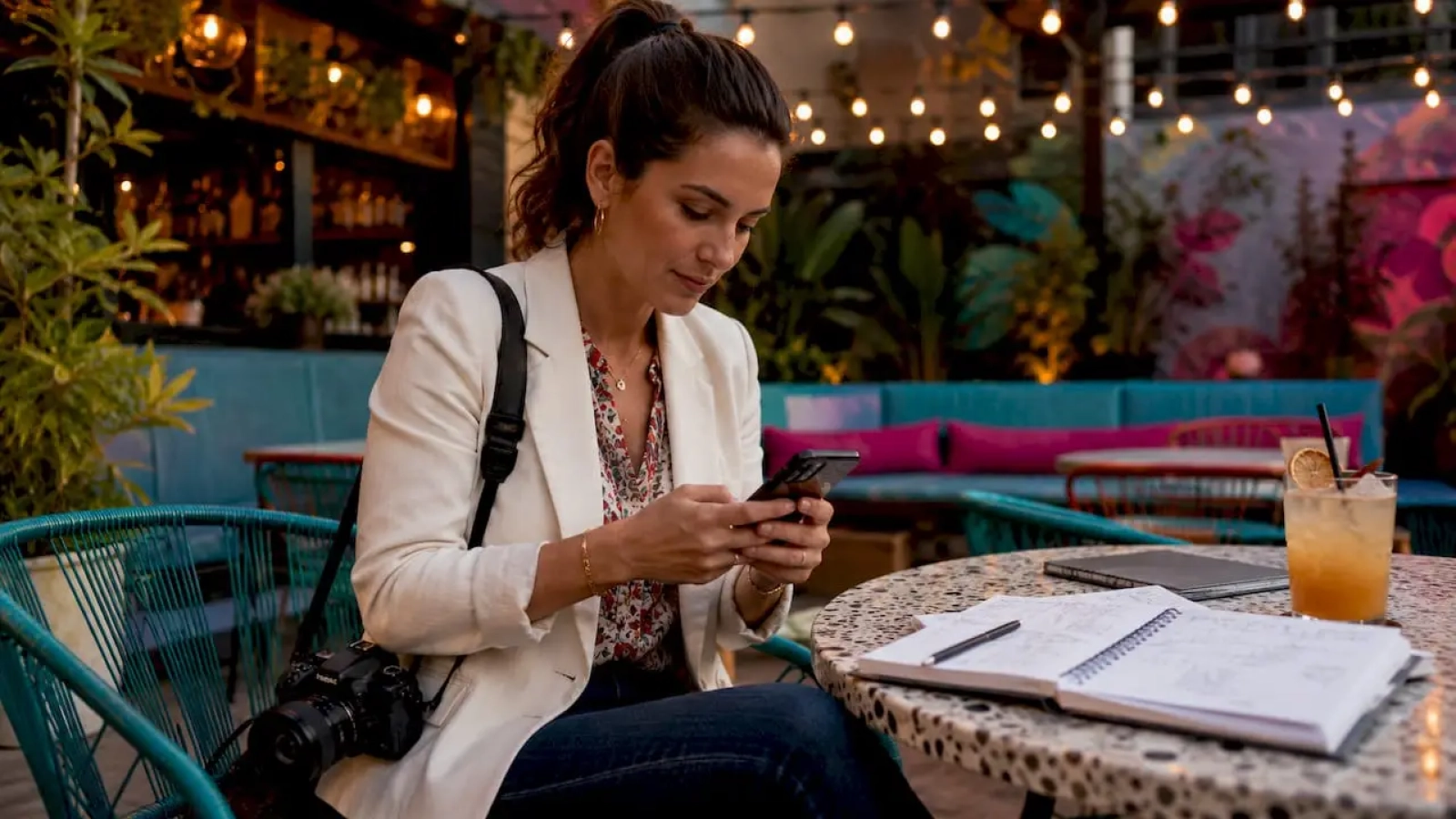
A hospitality influencer is a professional content creator who showcases hotels, restaurants, and travel experiences to a targeted social media audience, directly driving guest engagement and bookings. The industry term for this role is “creator partner” or “brand ambassador,” though hospitality influencer has become the working shorthand across marketing teams. These creators operate across Instagram, TikTok, and YouTube, producing scroll-stopping food videos, hotel walkthroughs, and dining reviews that reach potential guests at the exact moment they are planning a trip or choosing a restaurant. If you own a restaurant or manage a hospitality brand, understanding how these creators work is no longer optional. It is one of the most direct paths to filling seats and driving direct reservations.
What is a hospitality influencer and how do they differ from others?
A hospitality influencer focuses specifically on hotels, restaurants, dining experiences, and travel stays. That focus separates them from general lifestyle creators or travel bloggers who cover everything from fitness to fashion. The distinction matters because niche focus equals niche audience, and a niche audience converts at a higher rate for your specific offer.
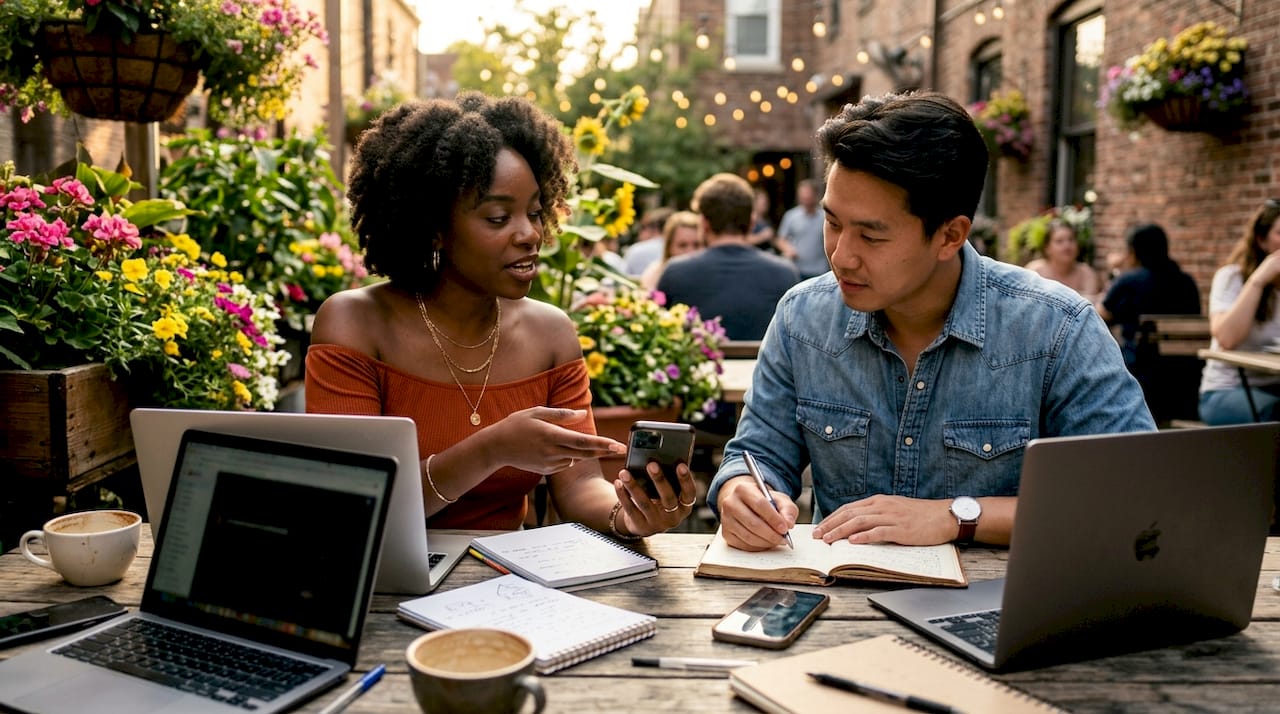
Travel influencers have evolved from weekend hobbyists into professional brand ambassadors with production-level content, strategic posting schedules, and defined audience demographics. A top food influencer on Instagram today operates more like a freelance production specialist than a casual blogger. Their content is planned, lit, edited, and published with the same intentionality as a paid ad.
Here are the most common niches you will encounter:
- ️ Foodie influencers — Focus on restaurant reviews, tasting menus, and chef spotlights. Ideal for restaurants launching new menus or targeting local diners.
- Luxury hotel influencers — Showcase premium stays, spa experiences, and high-end amenities. Best for upscale properties targeting affluent travelers.
- Boutique and independent property creators — Highlight unique, story-driven stays. Perfect for independent restaurants and boutique hotels with a distinct identity.
- Adventure and outdoor travel influencers — Cover active travel, remote destinations, and experiential dining. Strong fit for resort restaurants or destination properties.
- Short-form video creators — Specialize in Reels and TikTok clips that generate rapid awareness. Effective for any restaurant wanting viral reach on a tight timeline.
The key difference between a hospitality influencer and a general travel creator is depth of focus. A hospitality creator builds an audience that trusts their restaurant and hotel recommendations specifically. That trust is the asset you are paying for when you run a hospitality brand partnership.
How do hospitality influencer partnerships work?
Successful partnerships follow a defined process. Winging it produces inconsistent results and wasted spend. Here is how the most effective collaborations are structured:
-
Set a specific campaign goal. Are you driving foot traffic, promoting a new private dining room, or filling a slow Tuesday night? Your goal determines which influencer type you need and what content you ask for.
-
Define your ideal guest audience. Age, location, income level, and dining preferences all matter. Audience location data is the single most critical metric. An influencer with 200,000 followers, 90% of whom live outside your city, will not move your reservation numbers.
-
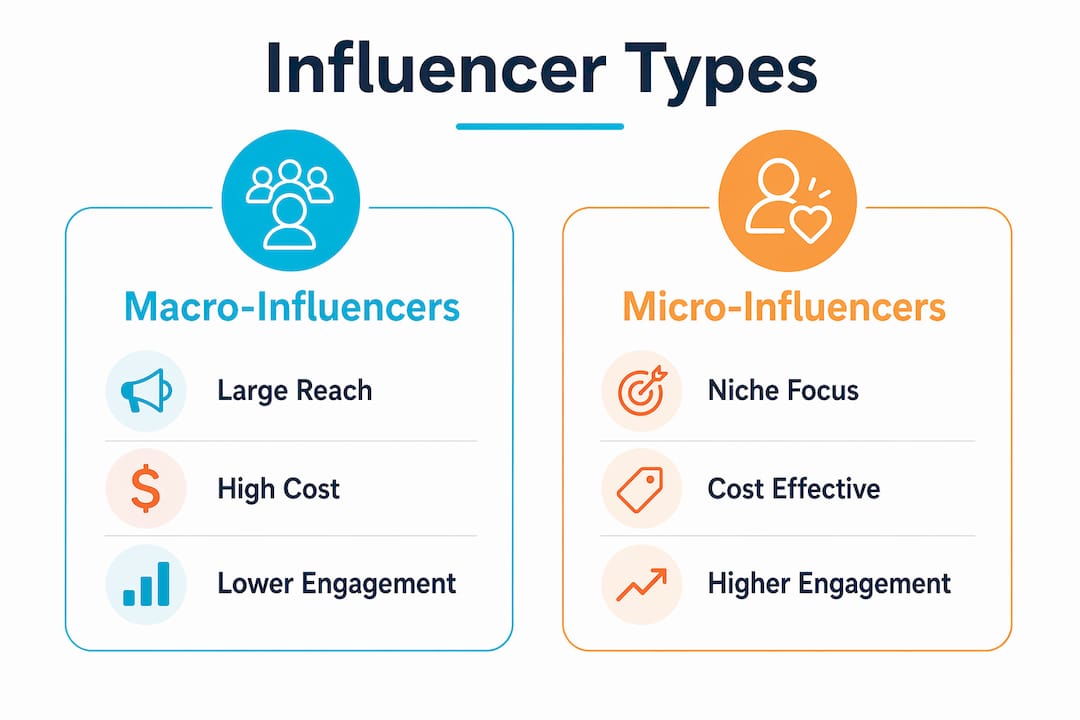
Vet influencers on engagement, not follower count. A creator with 15,000 highly engaged local followers beats a creator with 500,000 passive national followers for a neighborhood restaurant every time. Micro-influencers (10K to 100K followers) deliver better ROI through engagement and content volume than macro-influencers. This means your budget goes further with a cohort of five to ten local creators than one big name.
-
Write a clear brief. Specify deliverables: number of Reels, Stories, or TikTok videos; posting dates; required hashtags; and any brand messaging. Treat this like a freelance contract, not a favor exchange.
-
Negotiate content usage rights upfront. This is where most restaurant owners leave money on the table. If you do not secure the right to reuse the creator’s content in your paid ads and email campaigns, you are paying for a one-time post instead of a long-term asset.
-
Track results with promo codes, UTM links, and booking analytics. Every campaign needs a measurable outcome. A unique promo code or trackable link tells you exactly how many reservations or orders came directly from that creator’s audience.
Pro Tip: Run a cohort of five to fifteen micro-influencers simultaneously rather than betting everything on one macro deal. The combined reach, content volume, and audience variety will consistently outperform a single high-follower partnership.
What platforms and content formats work best in 2026?
Platform choice determines who sees your content and how they respond to it. Not every platform works equally well for every hospitality business.
| Platform | Best content format | Primary audience | Hospitality strength |
|---|---|---|---|
| Reels, Stories, carousels | 25 to 44, affluent | Visual storytelling, direct booking links | |
| TikTok | Short-form video (15 to 60 sec) | 18 to 34 | Demand creation, viral discovery |
| YouTube | Long-form vlogs, reviews | 25 to 49 | Deep trust building, extended shelf life |
| Snapchat | AR lenses, Stories | Under 25 | Peer recommendations, event promotion |
Here is what the data tells you about each:
- Instagram remains the core platform for hospitality visual storytelling. Its affluent user base and strong direct-link features in Stories make it the top driver of reservation clicks for restaurants and hotels.
- TikTok is where demand gets created. TikTok brand follower counts grew over 200% year-over-year by mid-2026. That growth signals where younger diners are discovering new restaurants before they ever search on Google.
- YouTube offers something the other platforms do not: longevity. 40% of YouTube video views occur more than 30 days after upload. A well-produced restaurant feature on YouTube keeps working for you months after the creator posts it.
- Snapchat’s AR features are gaining traction for peer-driven travel recommendations, particularly for events and seasonal promotions targeting guests under 25.
The smartest hospitality marketing strategies treat influencer content as raw material, not a finished product. Repurpose a creator’s Reel as a paid Facebook ad. Drop their food photography into your email newsletter. Evergreen content reused across paid social and email dramatically increases the value of each partnership without adding budget.
What is the real business impact of influencer marketing on hospitality?
The impact is direct and measurable when you set it up correctly. User-generated content from influencer partnerships drives booking decisions for over 80% of travelers. That number reflects a fundamental shift in how guests choose where to eat and stay. They trust a creator’s authentic dining video more than a polished brand ad.
Micro-influencers yield three to five times better booking results than macro-influencers for conversion-driven campaigns. The reason is simple. Smaller creators have tighter audience relationships and are more comfortable including direct booking calls to action and trackable links in their posts.
Here is what strong ROI measurement looks like in practice:
- Promo codes tied to specific creators reveal exactly which partnerships drove orders or reservations.
- UTM-tagged landing pages show traffic source, session duration, and conversion rate from each influencer’s audience.
- Booking dashboard comparisons before and after a campaign reveal net new reservation volume attributable to the effort.
- Content performance tracking across repurposed assets shows which creator content performs best in paid ads, informing future influencer selection.
One critical mistake many restaurant owners make is treating influencer marketing as a brand awareness play only. Influencer marketing integrated into your direct booking strategy nudges guests toward your own reservation system instead of third-party OTA platforms. Every direct booking improves your margin and keeps the guest relationship in your hands.
“The restaurants and hotels winning with influencer marketing in 2026 are not the ones with the biggest budgets. They are the ones running always-on programs with five to ten local micro-creators, repurposing that content across every channel, and measuring every click.”
Always-on influencer strategies that repurpose content over six to twelve months significantly improve ROI compared to one-off posts. Build the system, not just the campaign.
Key takeaways
Hospitality influencer marketing delivers the strongest ROI when you combine micro-influencer cohorts, audience location vetting, and multi-channel content reuse into one connected strategy.
| Point | Details |
|---|---|
| Niche focus drives conversions | Hospitality influencers build audiences that trust their specific dining and lodging recommendations. |
| Audience location beats follower count | Verify that the majority of an influencer’s audience is in your target market before committing budget. |
| Micro-influencer cohorts outperform | Five to fifteen micro-influencers deliver better engagement and content volume than one macro deal. |
| Content reuse multiplies ROI | Negotiate usage rights and repurpose creator content across paid ads and email for sustained impact. |
| Track every campaign | Use promo codes, UTM links, and booking analytics to measure direct revenue from each partnership. |
What I have learned after years of watching these campaigns play out
The biggest mistake I see restaurant owners make is hiring one big influencer, getting a spike in Instagram impressions, and then wondering why the dining room is not fuller. Impressions are not reservations. Reach without the right audience location data is noise.
What actually works is building a small, consistent roster of local micro-creators who genuinely love your food. Give them a real brief. Negotiate usage rights. Then take their best clips and run them as paid social ads targeting your exact zip codes. That combination, organic creator content plus paid amplification, is where the real social media engagement lift happens.
I also push back hard on the idea that one-off influencer posts are a strategy. They are a tactic. A real strategy means you are running creators on a rolling schedule, refreshing content every quarter, and feeding the best-performing assets back into your ad account. Lack of standardized vetting and coordination is the most common reason these programs fail. Build the process once and it pays you back for years.
The other thing I want you to take seriously is the direct booking angle. Every influencer post that sends a guest to OpenTable or a third-party delivery app is a missed opportunity to own that customer relationship. Push creators to link directly to your reservation page or online ordering system. The difference in margin over a full year is significant.
— Doug
Ready to turn influencer content into real restaurant bookings?
At Ionhospitality, we build social media campaigns that put your restaurant in front of the right local audience, using creator content, paid ads, and direct booking strategies that work together. We handle everything from influencer coordination to ad creative, so you are not piecing it together yourself.
If you are ready to stop guessing and start filling seats with a system that tracks every result, explore our social media advertising services built specifically for restaurants. Or if you want to talk through your specific situation first, book a discovery call and we will map out exactly what your restaurant needs to grow.
FAQ
What is a hospitality influencer?
A hospitality influencer is a professional content creator who produces authentic social media content about hotels, restaurants, and travel experiences to drive guest engagement and bookings. They operate primarily on Instagram, TikTok, and YouTube.
How do micro-influencers compare to macro-influencers for restaurants?
Micro-influencers with 10,000 to 100,000 followers deliver three to five times better booking results than macro-influencers for conversion-focused campaigns, primarily because of tighter audience relationships and higher engagement rates.
What platforms should hospitality influencers use in 2026?
Instagram leads for visual storytelling and direct booking links, TikTok drives demand creation among younger diners, and YouTube provides long-form content with extended shelf life since 40% of views occur after 30 days.
How do you measure ROI from a hospitality influencer campaign?
Track results using creator-specific promo codes, UTM-tagged landing pages, and booking dashboard comparisons before and after the campaign to attribute direct revenue to each influencer partnership.
Why does audience location matter so much in influencer vetting?
An influencer whose audience is largely outside your target geography will not drive local reservations regardless of their engagement rate. Audience location is the first metric to verify before signing any partnership agreement.

Add a Comment