
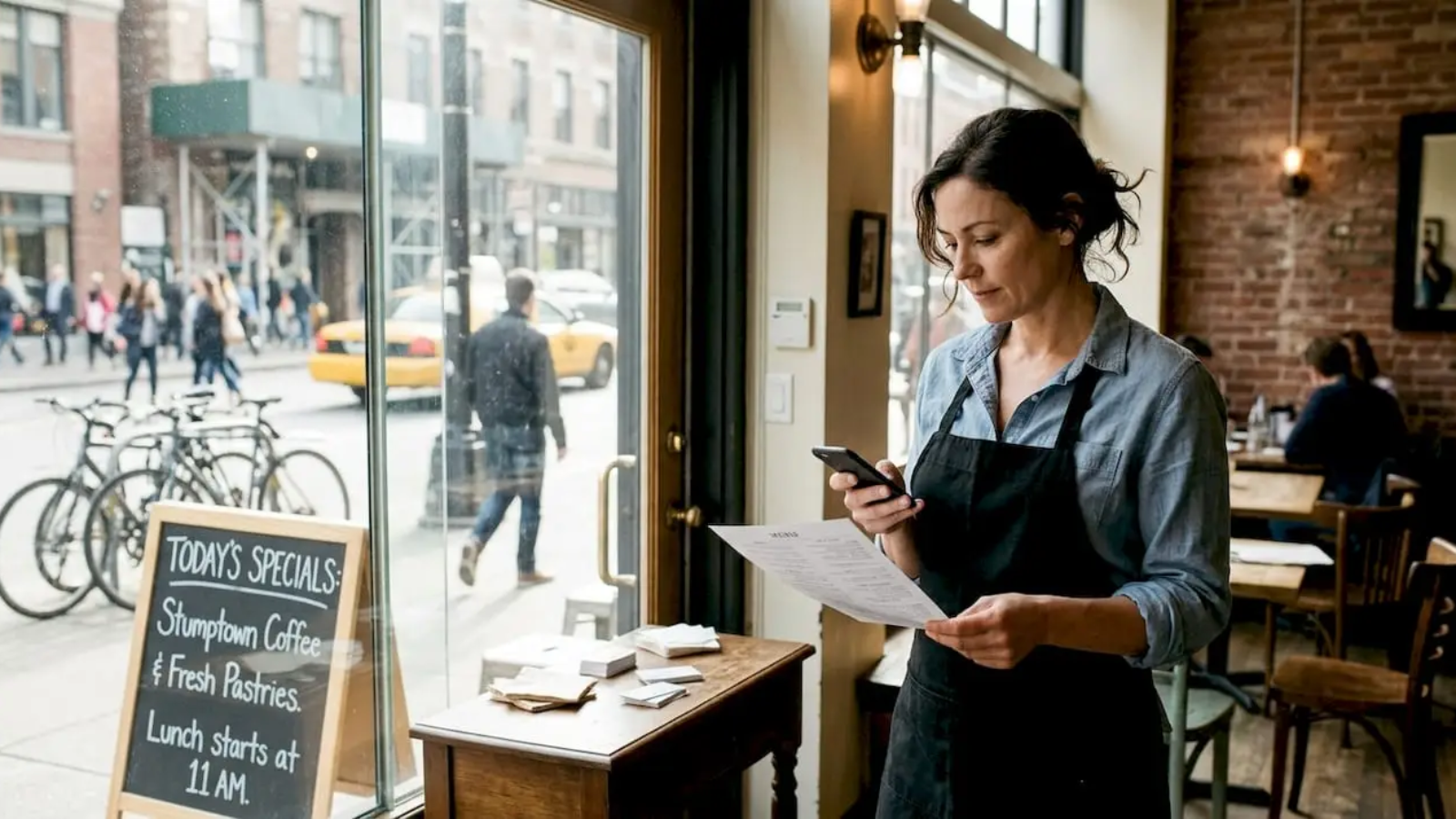
Your restaurant serves incredible food, but if potential guests can’t find you on social media, you’re losing bookings before they even walk through the door. 74% of consumers use social media to decide where to eat, and 68% check your social presence before visiting. That’s not just a trend, it’s how people make dining decisions today. This guide delivers actionable strategies to strengthen your brand awareness, attract more customers, and turn your social channels into booking machines. You’ll learn exactly which platforms drive results, how to create content that converts, and proven tactics to fill your calendar with private events.
Table of Contents
- Audit and optimize your restaurant’s social presence
- Craft engaging content that drives bookings
- Leverage social to promote private events and increase revenue
- Run geo-targeted and UGC ads for measurable impact
- Partner with experts to grow your restaurant brand
- Frequently asked questions
Key Takeaways
| Point | Details |
|---|---|
| Audit social presence regularly | Checking platform performance and responding quickly builds trust and highlights booking opportunities. |
| UGC drives engagement | Guest posts outperform branded content, with up to four times more engagement and conversions. |
| Promote private events visually | Use social media to spotlight custom setups and event recaps to increase bookings and revenue. |
| Geo-targeted ads boost ROI | Targeting locals with social ads delivers measurable reservation increases and strong return on investment. |
| Professional support accelerates growth | Working with specialized agencies helps streamline campaigns and maximize brand awareness. |
Audit and optimize your restaurant’s social presence
Before you post another photo or run another ad, you need to know where you stand. Most restaurant owners spread themselves thin across every platform, posting randomly and hoping something sticks. That approach wastes time and money.
Start by reviewing every social profile you own. Check Instagram, Facebook, TikTok, and any other platform where your restaurant has a presence. Look for consistency in your branding, profile photos, bio information, and contact details. Inconsistent profiles confuse potential guests and damage trust.
Next, identify which platforms actually deliver results. Don’t chase vanity metrics like follower counts. Focus on engagement rates, direct messages asking about reservations, and trackable bookings. Audit your platforms first and focus on revenue-tied goals over vanity metrics.
Platform Performance Audit Checklist:
| Platform | Engagement Rate | Booking Inquiries | Profile Complete? | Action Needed |
|---|---|---|---|---|
| Track weekly | Count DMs | Yes/No | Update bio/link | |
| Track weekly | Count messages | Yes/No | Add menu/hours | |
| TikTok | Track weekly | Count comments | Yes/No | Create profile |
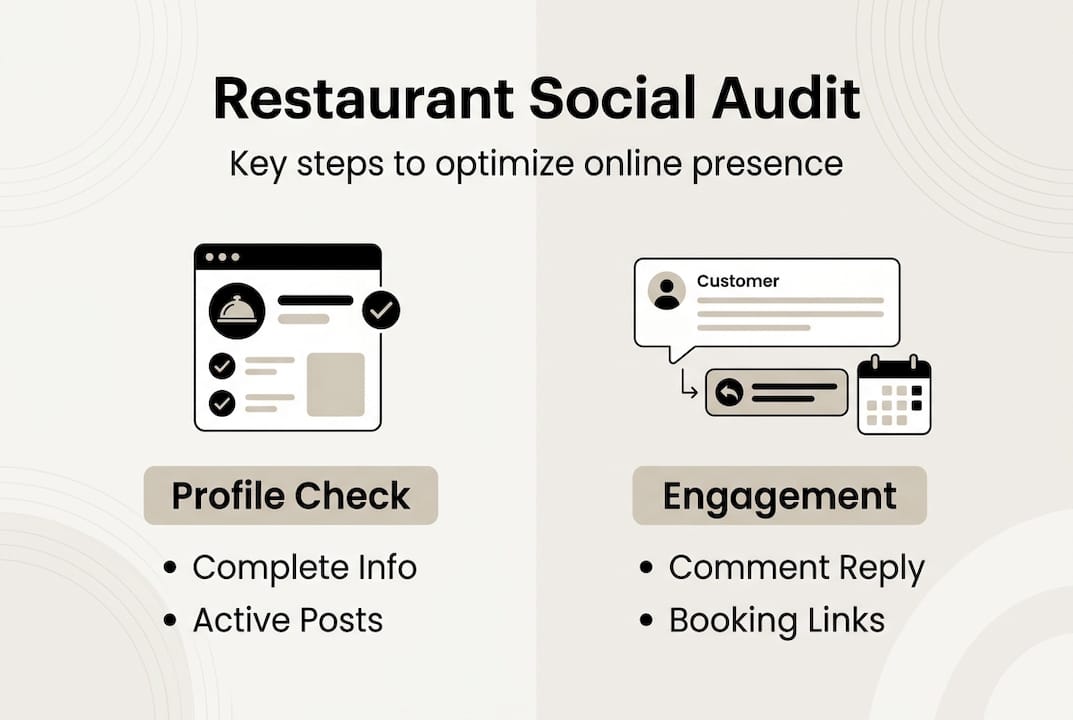
Set clear objectives for each platform you keep active. Your goals should tie directly to revenue: private event bookings, table reservations, online orders, or loyalty program signups. If a platform doesn’t support these goals after three months of consistent effort, cut it.
Respond to every comment, direct message, and review within 24 hours. This builds trust faster than any ad campaign. Guests notice when you engage, and they remember when you ignore them.
Pro Tip: Create a monthly social audit checklist. Review your top-performing posts, engagement trends, and booking sources. This 30-minute exercise reveals exactly what’s working and what needs to change. Track your progress in a simple spreadsheet and adjust your strategy based on real data, not guesses.
Once you’ve cleaned up your profiles and set focused goals, you’re ready to create content that actually drives bookings. Professional restaurant content creation can accelerate this process, but the foundation starts with knowing your current position and setting clear targets.
Craft engaging content that drives bookings
Great food deserves great visuals. Your content strategy should showcase what makes your restaurant unique while encouraging guests to book tables and share their experiences.
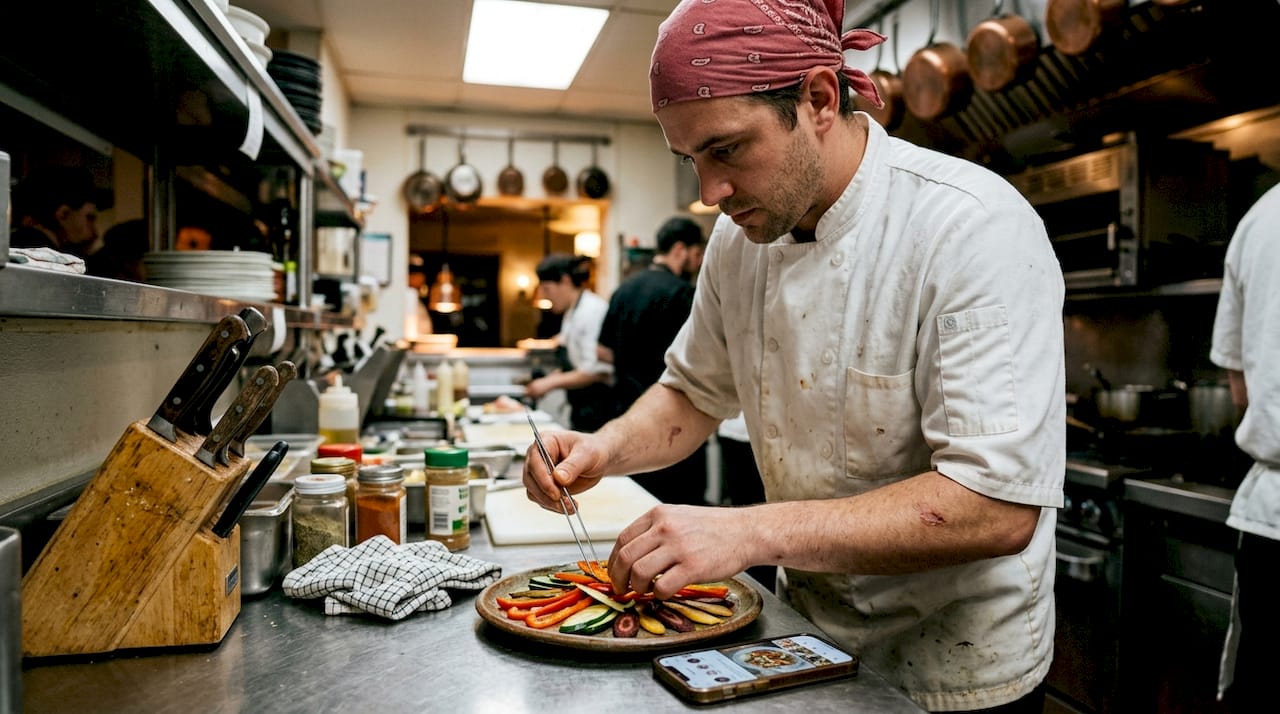
Different platforms require different approaches. Instagram rewards polished, aspirational content. TikTok favors authentic, behind-the-scenes moments. Understanding these differences helps you create content that performs.
Content Strategy by Platform:
| Content Type | TikTok | ||
|---|---|---|---|
| Food close-ups | High-res, styled shots | Quick prep videos | Menu highlights |
| Chef stories | Carousel posts | Day-in-the-life clips | Live cooking demos |
| Behind-the-scenes | Polished Stories | Raw, unedited clips | Event setup photos |
| Guest experiences | UGC reposts | Reaction videos | Reviews and testimonials |
| Engagement rate | 2.2% per follower | 2.5% per follower | 1.8% per follower |
Create a content mix that includes food photography, chef profiles, kitchen moments, and guest experiences. Food posts grab attention, but storytelling builds connection. Show the people behind your restaurant. Share why you chose certain ingredients. Explain the inspiration behind signature dishes.
User-generated content (UGC) outperforms everything else you can create. When guests post photos of your food and tag your restaurant, that’s authentic marketing money can’t buy. UGC drives 4x higher engagement and conversions than branded content.
“User-generated content outperforms branded content. Restaurants see 4x more engagement when guests share their experiences compared to official brand posts.”
3-Step Guest UGC Campaign:
Incentivize sharing: Create a signature dish or cocktail that’s visually stunning. Offer a small discount or free appetizer when guests post and tag your restaurant. Make the incentive clear on table tents and menus.
Repost strategically: Share guest photos to your Stories and feed (with permission). Tag the original poster and thank them publicly. This encourages more guests to share because they see you actually feature customer content.
Thank participants personally: Reply to every tagged post with a genuine comment. Invite them back for a specific dish or upcoming event. This personal touch turns one-time visitors into loyal advocates.
Your content should always have a purpose. Every post should either build awareness, drive engagement, or encourage bookings. If a post doesn’t serve one of these goals, don’t publish it.
Need inspiration for content that actually goes viral? Check out these viral food reels ideas that restaurants are using to explode their reach and fill tables.
Leverage social to promote private events and increase revenue
Private events represent one of the highest-margin revenue streams for restaurants. Social media gives you a direct channel to showcase your event capabilities and attract bookings that fill your calendar during slower periods.
Private events can boost revenue 30-40% when marketed effectively. Social media spotlights of event setups drive bookings by showing potential clients exactly what’s possible.
Regularly post content that showcases your private dining capabilities. Share photos of special table setups, custom menu options, and post-event recaps. These posts plant seeds in the minds of guests planning birthdays, anniversaries, corporate gatherings, and celebrations.
4 Ways to Feature Private Events on Social:
• Setup showcases: Post photos of your private dining room arranged for different occasions. Show the same space set up for an intimate anniversary dinner, a corporate lunch, and a birthday celebration. This demonstrates versatility.
• Custom menu highlights: Share photos of special menus you’ve created for past events. Include pricing ranges and guest counts. This helps potential clients visualize their own event and understand your capabilities.
• Event recaps with vision captions: After hosting a private event, post table setups and custom menus with captions like “Planning a milestone birthday?” or “Looking for the perfect corporate dinner venue?” These vision-focused captions help viewers see themselves hosting similar events.
• Guest testimonials: Share quotes and photos from clients who’ve hosted private events. Real feedback builds trust faster than any sales pitch. Video testimonials perform even better.
Target your existing loyalty program members with exclusive event invitations. These guests already trust your restaurant. They’re more likely to book private events when you make them feel like insiders with early access to new event packages or seasonal offerings.
Pro Tip: Use location-based hashtags and geo-tags on every private event post. When someone in your area searches for “private dining near me” or “birthday dinner venue,” your tagged posts appear in those results. Combine broad hashtags like #PrivateDining with hyper-local tags like #ChicagoPrivateEvents to reach both tourists and locals.
For a complete strategy on filling your event calendar, explore these private event marketing tips that successful restaurants use to generate consistent bookings. When you’re ready to take it further, an event marketing consultation can help you build a system that runs on autopilot.
Don’t forget your website. Make sure your private events page is updated, mobile-friendly, and easy to find. Social media drives awareness, but your website closes the sale. If you need help optimizing your online presence, professional restaurant website improvements can make a measurable difference in conversion rates.
Run geo-targeted and UGC ads for measurable impact
Organic reach is valuable, but paid advertising accelerates results. The right ad strategy puts your restaurant in front of local diners actively looking for their next meal or event venue.
Geo-targeting ensures your ad budget reaches people who can actually visit your restaurant. Set your ads to target users within a specific radius of your location. For most restaurants, a 5-10 mile radius captures your core audience without wasting money on people too far away to visit.
Use guest photos and videos in your ad creatives. UGC ads outperform branded content because they feel authentic. People trust other diners more than they trust restaurant marketing. When you feature real guests enjoying real meals, your ads feel less like advertising and more like recommendations.
Track everything. Use UTM parameters on links in your ads so you can see exactly which campaigns drive reservations. Set up conversion tracking in Facebook Ads Manager and Google Analytics. Without tracking, you’re guessing. With tracking, you know your return on investment down to the dollar.
Benchmark ROI for Restaurant Social Ads: 4:1
For every dollar you spend on well-targeted, UGC-driven social ads, you should generate at least four dollars in revenue. This benchmark comes from industry data on paid ad effectiveness and represents a realistic target for restaurants running optimized campaigns.
3 Steps for Running and Tracking Geo-Targeted Ads:
Define your audience and radius: Start with a 5-mile radius around your restaurant. Target demographics that match your ideal customer: age range, interests (foodies, event planners, local activities), and behaviors (dining out frequently, celebrating special occasions). Refine based on performance data after two weeks.
Create UGC-focused ad sets: Request permission from guests who’ve posted great photos of your food. Build 3-5 different ad creatives using these authentic images. Write simple, direct copy that highlights your unique selling point: “Best pasta in downtown Chicago” or “Book your private event, seats 20-50 guests.”
Track reservations and optimize: Add UTM parameters to every link (example: ?utm_source=facebook&utm_campaign=spring_events). Monitor which ads drive actual bookings, not just clicks. Pause underperforming ads after one week. Double your budget on ads that hit or exceed your 4:1 ROI target.
Ad Performance Tracking Table:
| Metric | Target | How to Track |
|---|---|---|
| Click-through rate | 2-3% | Facebook Ads Manager |
| Cost per click | $0.50-$1.50 | Platform analytics |
| Reservation conversions | 5-10% of clicks | UTM tracking + reservation system |
| Return on ad spend | 4:1 or higher | Revenue from tracked bookings ÷ ad spend |
Start small. Test with $200-300 per month split across 3-4 different ad sets. Learn what works for your specific audience before scaling up. Once you identify winning combinations of targeting, creative, and messaging, increase your budget gradually.
Need help setting up campaigns that actually convert? Professional restaurant retargeting strategies and social ad optimization services can help you avoid expensive mistakes and hit your ROI targets faster.
Partner with experts to grow your restaurant brand
You’ve learned the strategies. You understand the tactics. But executing a complete social media marketing system while running a restaurant takes time you don’t have.
Professional support accelerates your results. Instead of spending hours learning ad platforms, testing content formats, and tracking analytics, you focus on what you do best: running an exceptional restaurant. Meanwhile, experts handle your brand awareness campaigns, optimize your ad spend, and fill your calendar with private events.
The right marketing partner doesn’t just post pretty pictures. They build systems that generate measurable results: more reservations, more private event bookings, more revenue. They track every dollar spent and every booking generated so you know exactly what’s working.
When you work with specialists who understand restaurant marketing, you skip the expensive trial-and-error phase. You get proven strategies, tested ad campaigns, and content that converts from day one. Your social media becomes a revenue driver, not a time drain.
If you’re ready to take your restaurant’s brand awareness to the next level, explore professional restaurant social media advertising services that deliver real results. Schedule a restaurant marketing consultation to discuss your specific goals and see how a customized strategy can fill your tables and event calendar. For restaurants looking to maximize their ad performance, proven retargeting solutions for restaurants can help you convert browsers into bookers.
Frequently asked questions
How can I tell which social platforms actually drive bookings for my restaurant?
Review platform analytics and use reservation links with tracking (UTMs) to see which channels lead to confirmed bookings. Focus your efforts on platforms that generate actual revenue, not just likes.
Is user-generated content really better than branded content for restaurant marketing?
Yes, research shows UGC delivers 4x more engagement and conversions than branded posts. Authentic guest photos build trust faster than professional marketing content.
What’s the fastest way to grow private event bookings with social media?
Showcase unique event setups, post table arrangements and custom menus with vision-focused captions, and offer exclusive invitations to loyalty members on social and email. Consistent event content plants seeds that convert into bookings.
How quickly should I reply to social media comments and messages?
Aim to respond within 24 hours to build trust and encourage engagement. Fast responses show you value your guests and care about their experience.
What’s a good return on investment for restaurant social media ads?
A benchmark ROI of 4:1 is realistic for geo-targeted and UGC ads in restaurants. For every dollar spent, you should generate at least four dollars in tracked revenue from bookings.
Recommended
- The Free Retargeting Ads Playbook – ION Hospitality – Restaurant Marketing & Advertising Agency, New York, NY
- The Free Viral Events Playbook – ION Hospitality – Restaurant Marketing & Advertising Agency, New York, NY
- The Free Viral Reels Playbook – ION Hospitality – Restaurant Marketing & Advertising Agency, New York, NY
- Content Creation – ION Hospitality – Restaurant Marketing & Advertising Agency, New York, NY

Add a Comment