
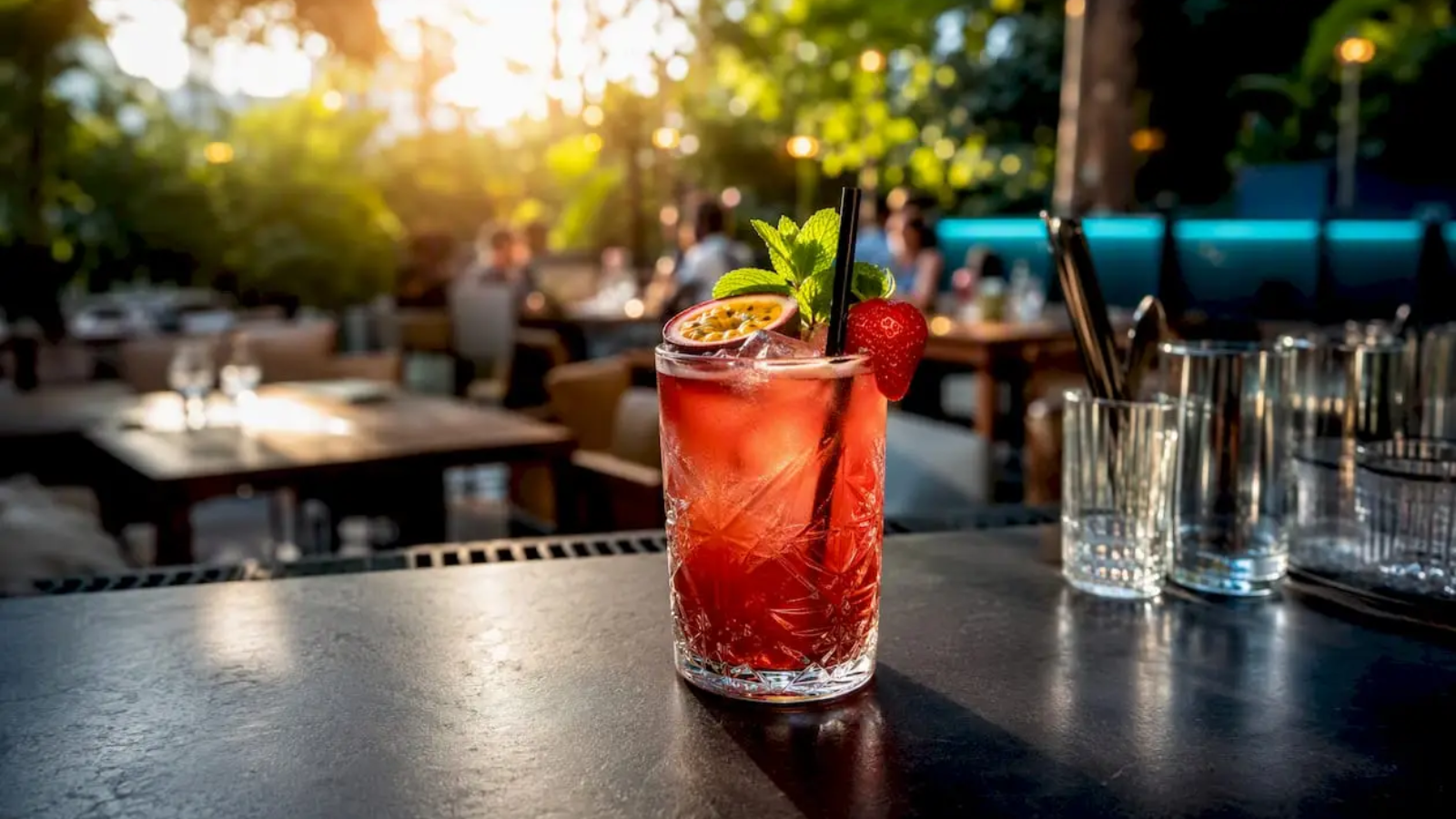
The fastest happy hour ad to run right now is a Meta Ads carousel built around one high-contrast photo of your signature drink or pitcher special, geo-targeted to a 3-5 mile radius, with a CTA that names a specific deal and end time. That single format beats generic “come try our happy hour” posts because it gives the algorithm a clear conversion action and gives the scroller a reason to stop.
Here’s your one-line action plan for today:
- Creative: Shoot one photo (phone camera is fine) of your best-selling happy hour item against a simple background, no clutter.
- Audience: Set a 3-5 mile radius around your location, ages 21+, targeting people who’ve engaged with local food and drink pages.
- Budget and measurement: Start with $15-20 a day for seven days, and track redemptions with a unique code so you know what actually worked.
Copy this CTA line as your starting point: “$5 margaritas, 4-6 PM daily. Tap to see tonight’s specials.” Simple, specific, time-bound.
Pro Tip: Don’t discount your best-selling entrees during happy hour just because you’re discounting drinks. Cut margins on the drink, keep your food menu at full price or offer a small bundle instead. Owners who discount both categories often see traffic spike while profit per visit collapses.
Key Takeaways
Happy hour ads work best when they pair one clear, high-contrast visual with a specific, time-bound offer and a single measurable CTA.
| Point | Details |
|---|---|
| Pick one template first | Choose a single social post template and reuse it weekly instead of designing from scratch each time. |
| Choose your asset source by task | Use Canva for fast social posts, Shutterstock or Adobe Stock for print, Envato Elements for motion. |
| Set a small creative test | Run one photo, one headline, and one CTA against a 3-5 mile radius audience for five to seven days. |
| Track redemptions, not just clicks | Use a unique promo code or QR landing page so you can connect ad spend to actual visits. |
| Get agency help when you’re ready to scale | Ionhospitality builds and manages geo-targeted happy hour campaigns end to end for restaurants. |
Table of Contents
- Visual Inspiration: Creative Happy Hour Ad Concepts That Actually Work
- What Are Swipe Files and How Do You Use Them?
- Where Should You Get Happy Hour Ad Images and Templates?
- What Ad Sizes and Formats Work Best for Happy Hour Promotions?
- What Headlines and CTAs Convert Best for Happy Hour Ads?
- Where Should You Run Happy Hour Ads and How Do You Target Them?
- How Much Should You Budget for Images and Licensing?
- How Do You Measure and Improve Happy Hour Ad Performance?
- An Agency-Tested Happy Hour Ad Playbook and Timeline
- What Actually Works in Restaurant Happy Hour Advertising
- How Ion Hospitality Builds Happy Hour Campaigns That Fill Seats
- Sources
Visual Inspiration: Creative Happy Hour Ad Concepts That Actually Work
Most happy hour ads fail for one reason: too much going on in the frame. The scroller has half a second to register what’s happening before moving on. Here are seven creative directions that consistently earn a second look.
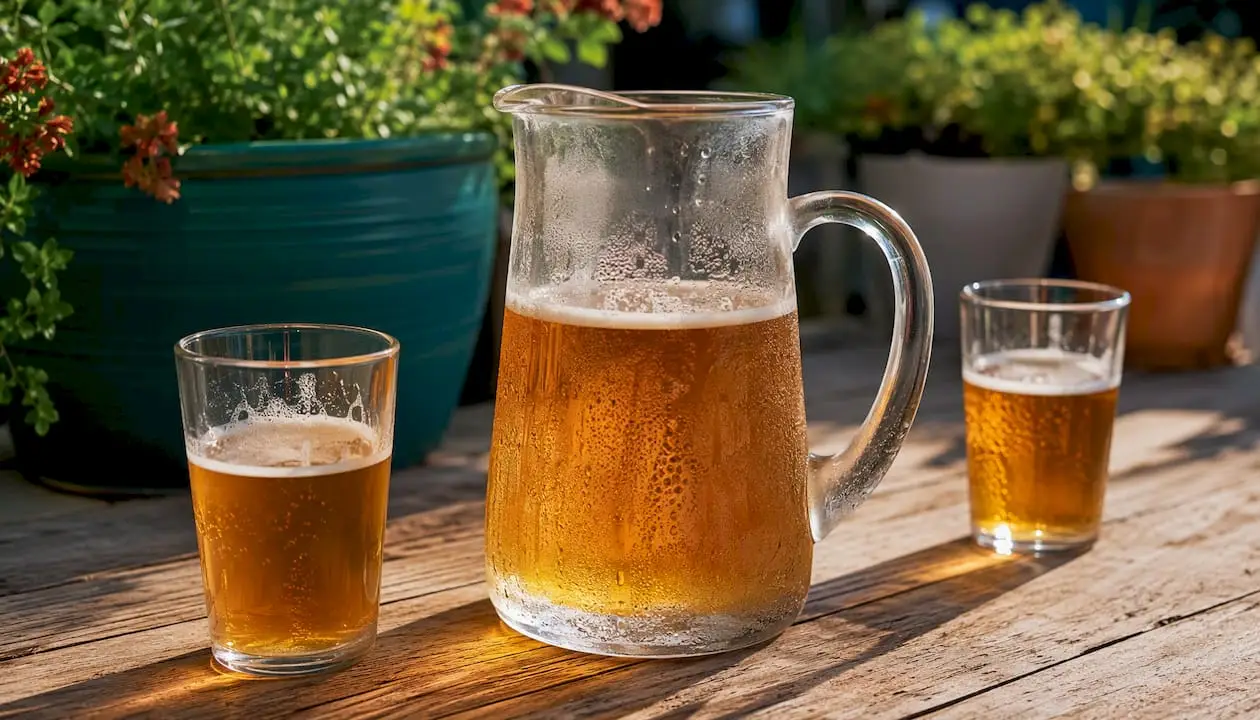
Pitcher party. A single overhead shot of a pitcher surrounded by empty glasses, condensation visible, warm lighting. This works because it signals “group deal” without a single word of copy, and groups spend more per visit than solo diners.
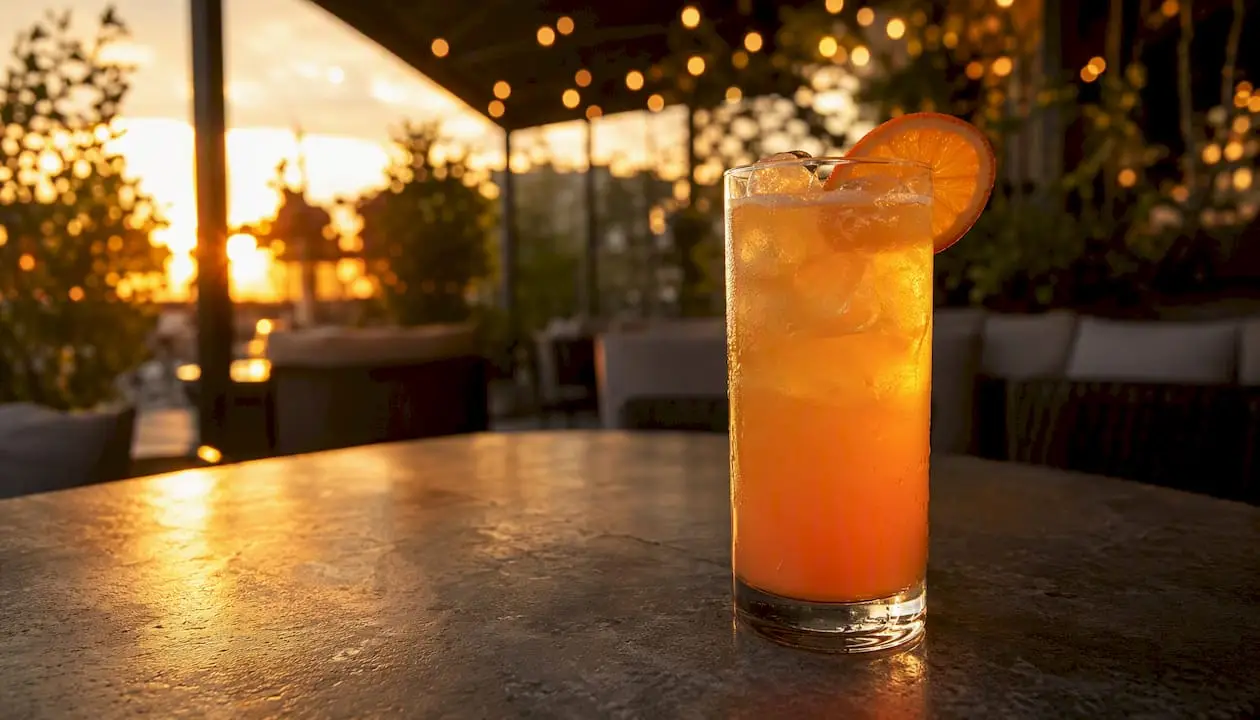
Sunset patio. Golden hour light hitting a cocktail on an outdoor table, blurred background of your actual patio. This taps into the emotional pull of “after work, right now” rather than the deal itself, and it performs especially well in the 4-6 PM slot when people are deciding where to go.
Two-for-one hero. One drink, shot straight-on, bold price callout overlaid in your brand color. No lifestyle context needed. This is your workhorse creative for retargeting people who’ve already visited your page.
Mocktail moment. A non-alcoholic option shot with the same care as your cocktails. Restaurants that ignore this segment leave real revenue on the table, since not every happy hour patron drinks, and mocktail-forward ads tend to pull in a different demographic than beer specials.
Game watch setup. Wide shot of a full bar area, TVs visible, plates of shareable food in the foreground. This concept leans into the social occasion rather than the discount, and it’s strongest for weekend or event-day promotion.
Countdown clock creative. A simple graphic overlay showing “2 hours left” against your product photo. Use this only when the countdown is real. Regulatory scrutiny around fake urgency tactics has increased, so your promo system needs to actually enforce that window, not just display a graphic that resets tomorrow.
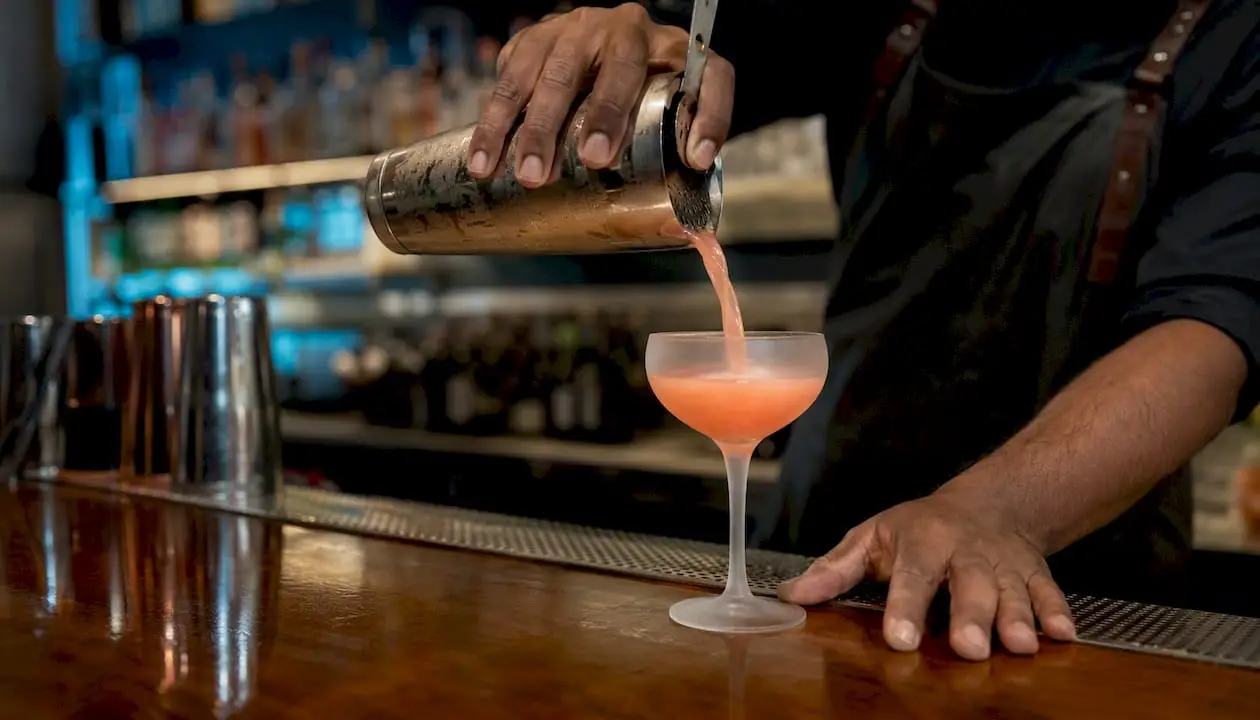
Bartender’s pick. A candid shot of your bartender making the drink, face optional. This builds trust and personality, and it’s one of the few concepts that performs equally well as a static post or a 15-second video.
For design notes across all seven: keep contrast high between your subject and background, use a font size that reads at thumbnail scale, and stick to two brand colors max per creative. Save collages for your Instagram grid or a printed flyer, not for a scroll-stopping ad. Motion helps most on bartender’s pick and pitcher party concepts, where movement (pouring, clinking glasses) adds energy a still photo can’t.
Pro Tip: Test every design at actual phone size before publishing. What looks sharp on your laptop screen often turns to mush at 320 pixels wide. If you can’t read the price from three feet away on your phone, neither can your customer.
What Are Swipe Files and How Do You Use Them?
A swipe file is a folder of proven ad templates, headlines, and layouts you keep on hand and adapt for new campaigns instead of starting from a blank page every time. Think of it as your happy hour playbook in file form: when Tuesday rolls around and you need a post for Thursday’s game watch special, you pull a template, swap the photo and price, and publish in ten minutes.
Build yours around these three template types:
- Social post template. A square or 4:5 image with a fixed layout: photo on top two-thirds, price and time on bottom third in your brand font. Reuse the same frame every week and just change the photo and offer.
- Story or reel script. Three beats: hook shot (pouring drink or plating food), price overlay at second three, CTA sticker or swipe-up at second eight. Keep the whole thing under 15 seconds.
- Poster or flyer template. One dominant image, headline, deal details, and a QR code in the bottom corner. Print this for your host stand, front window, and any sidewalk signage.
Sample copy swipes to pair with each template:
| Template | Copy swipe |
|---|---|
| Social post | “Half-off apps, 4-6 PM. First come, first served.” |
| Story/reel | “3 drinks. 3 hours. 1 patio. See you at 4.” |
| Poster/flyer | “Scan for tonight’s happy hour menu, no app required.” |
| Retargeting post | “Miss last week’s specials? Tonight’s just as good.” |
| Event-tie-in | “Game’s on. Pitchers are $12. Doors open at 4.” |
Localize your copy by daypart and neighborhood detail when it makes sense. “4-6 PM, right after the office lets out” reads differently in a downtown business district than it does near a college campus, where a 9 PM “Power Hour” framing might work better, similar to how some chains brand a limited weekend promotion to create urgency around a specific window. When you hand these off to a designer, request layered PSD or Canva template files plus a flattened PNG and MP4 export so you can make quick edits yourself later without going back to them every time.
Where Should You Get Happy Hour Ad Images and Templates?
The right image source depends entirely on what you’re building and how fast you need it. A quick Instagram story doesn’t need the same asset as a printed poster for your front window, and picking the wrong tool for the job wastes both time and money.
| Source | Best for | Price & licensing | Ease of use / templates | Asset types | Speed to publish |
|---|---|---|---|---|---|
| ION Hospitality — Social Media Advertising | Full campaign creative, targeting, and management done for you | Agency service, custom scope | Full-service, no templates needed | Photos, video, ad copy, campaign creative | Managed timeline, hands-off for owner |
| Creative inspiration and concept discovery | Free to browse | Not a design tool, browsing only | Photo and layout ideas | N/A, research only | |
| Shutterstock | Professional print and video projects | Per-image or subscription commercial license | Searchable but no built-in editor | Photos, video clips | Minutes to source, then design time |
| Getty Images | Premium, brand-forward campaigns | Per-image or subscription, higher cost | Curated collections, no editor | Editorial and premium photos | Minutes to source, then design time |
| Canva | Fast social posts without a designer | Free tier plus paid plans | Drag-and-drop, large template library | Photos, graphics, video | Minutes |
| Unsplash | Low-cost lifestyle photography | Free, verify commercial terms | Browsing only, no editor | Photos | Minutes to source, then design time |
| Envato Elements | Teams needing many templates and motion assets | Subscription, unlimited downloads | Large library, template-based | Templates, motion graphics, mockups | Minutes to source, then design time |
| Adobe Stock | Designers already in Adobe apps | Per-image or subscription | Integrates directly with Photoshop/Illustrator | Photos, vectors, footage | Minutes, tight workflow |
| Meta Ads (Facebook & Instagram) | Running and placing the actual ad, not sourcing creative | Ad spend based, no licensing fee | Built-in ad creation tools | Ad placements, not raw assets | Minutes to launch once creative is ready |
For quick social posts, Canva gets you from idea to published post fastest, thanks to its preset export sizes for every platform. For print posters, Shutterstock or Adobe Stock give you the resolution and licensing clarity a print shop will want to see. For motion or animated stories, Envato Elements offers the deepest library of ready-to-edit templates without hiring a motion designer.
Before you publish anything sourced externally, check three things: whether the license covers commercial use (not just personal or editorial), whether any people in the photo required a model release, and whether the file is tagged “editorial use only,” which blocks commercial advertising entirely. A common cost-saving move: mix free sources like Unsplash for your background and lifestyle shots with a paid subscription like Canva Pro or Envato Elements for the templates and text overlays that need commercial-safe fonts and layouts.
What Ad Sizes and Formats Work Best for Happy Hour Promotions?
Getting the specs wrong is the single most avoidable way to waste a good creative. A perfectly designed ad that gets cropped awkwardly on Instagram Stories or pixelates on a printed flyer undoes all the work you put into the concept.
- Instagram/Facebook feed: 1080 x 1080 pixels (square) or 1080 x 1350 (4:5 vertical) for maximum feed real estate.
- Instagram/Facebook Stories and Reels: 1080 x 1920 pixels, full vertical, with key text kept inside the center-safe zone.
- TikTok: 1080 x 1920 pixels, and design for sound-off viewing since most users scroll with audio muted initially.
- Printable posters/flyers: 300 DPI minimum at your final print size, typically 18×24 inches for window posters or 8.5×11 for tabletop tents.
Pro Tip: Keep your logo and CTA button inside the center 80% of the frame on any Story or Reel format. Platform interface elements, like the caption bar and profile icon, cover the top and bottom edges, and a cropped logo looks amateur no matter how good the photo is.
If you’re putting a QR code on printed material, size it at least one inch square for tabletop use and two inches for window posters, since phone cameras struggle with smaller codes at a distance. Place it near the price, not buried in a corner, and link it to a mobile-optimized landing page listing tonight’s specials rather than your full website homepage. A simple scan-to-reserve flow, QR code to a one-page mobile menu with a “Reserve a Table” button, converts far better than dropping someone on a cluttered site.
What Headlines and CTAs Convert Best for Happy Hour Ads?
The winning formula is simple: state the value, add real urgency, close with one clear action. Skip the cleverness. A confused scroller doesn’t convert, and happy hour shoppers are making a fast decision about where to spend the next two hours.
A few headline formulas worth testing: lead with the price (“$4 Drafts, 4-6 PM”), lead with the experience (“Patio Season Starts Now”), or lead with the time constraint (“Last Call for Half-Off Apps”). Each pulls a slightly different crowd. Price-led headlines tend to win with younger, value-driven audiences, while experience-led headlines perform better with the after-work professional crowd looking for atmosphere over discount.
Caption length should shrink as you move from feed to story to print. A feed caption can run two or three sentences with a bit of personality. A story caption needs to work in five words or less because viewers tap through fast. A print flyer needs even less: the deal, the time, done.
For your A/B tests, change one variable at a time. Run “$5 Margaritas” against “Margarita Happy Hour” to isolate whether naming the price beats naming the drink, or test “Today Only” against “This Week” to see whether shorter urgency windows actually lift click-through, or just create fatigue. Small copy lifts compound fast when you’re running the same ad slot every week.
Where Should You Run Happy Hour Ads and How Do You Target Them?
Meta Ads remains the strongest platform for local reach because its targeting lets you combine radius, age, and interest signals in one ad set, and it gives you the most creative flexibility across feed, stories, and reels in a single campaign. TikTok works better for discovery, especially if your happy hour has a visual or social hook (a signature drink, a live DJ, a rooftop view) that benefits from organic-feeling short video. Local display ads through Google can help capture people actively searching “happy hour near me,” which is high-intent traffic even at lower volume.
- Set a radius. Start at 3-5 miles for walk-in traffic, and widen to 7-10 miles if you’re targeting after-work commuters driving home past your location.
- Build event-based audiences. Layer in game days, local concerts, or conference dates when foot traffic spikes near your venue.
- Target office-worker patterns. Meta’s location history data lets you reach people who work near you but may not live nearby, a group that’s easy to miss with pure residential targeting.
- Retarget recent visitors. Anyone who’s checked in, tagged your location, or visited your website in the last 30 days should see a follow-up ad reminding them tonight’s deal is live.
For budgeting, start with a small test window: $10-20 daily for five to seven days to see which creative and audience combination pulls the best cost per click. Once you find a winner, scale by increasing budget in 20-30% increments rather than doubling overnight, which can spike your cost per result as the algorithm relearns. As for organic versus paid: boost an organic post when it’s already getting strong engagement without spending, since that’s a signal the algorithm favors it. Run a dedicated ad set when you need guaranteed reach on a specific date, like a holiday happy hour or a one-time event, that can’t wait for organic momentum to build.
Delivery platforms add another layer worth testing, as explained in The Role of Online Food Ordering for Restaurants and Customers. One DoorDash promotion brought a restaurant 104 new customers and $6,800 in sales over a three-month window with a reported 6.2X return on ad spend, showing that happy hour-style offers can work even outside your own paid social channels when targeted well.
How Much Should You Budget for Images and Licensing?
Licensing mistakes are avoidable, but they’re also common, especially when a well-meaning employee grabs a photo off Google Images without checking usage rights. Here’s what typical costs and license types look like across the sources most restaurants actually use.
| Source type | Typical price range | License type |
|---|---|---|
| Free stock (Unsplash) | $0 | Free, verify commercial terms per photo |
| Subscription design app (Canva Pro) | $13-15/month | Commercial use included in most templates |
| Per-image stock (Shutterstock, Adobe Stock) | $10-80 per image | Standard or extended commercial license |
| Premium/editorial (Getty Images) | $50-500+ per image | Per-image or subscription, editorial restrictions apply |
| Template subscription (Envato Elements) | $16-35/month | Commercial use included, unlimited downloads |
Before you publish anything, run through this checklist: Does the license explicitly cover commercial advertising, not just editorial or personal use? Are there people in the photo who need a model release on file? Is the asset tagged “editorial use only,” which bars it from any promotional context entirely? Skipping this step is how restaurants end up with takedown notices months after a campaign has already run.
For overall budget planning, a DIY approach using free and low-cost tools typically runs $0-150 total for a month of creative. A subscription-assisted approach, layering in a Canva Pro or Envato Elements plan, runs $15-40 monthly and gets you a much deeper template library. Full pro production, custom photography or motion assets from a paid creator, typically runs $200-1,200 per asset depending on scope. Industry guidance also recommends keeping your happy hour window to 2-4 hours with discounts in the 20-50% range, which affects how aggressively you should price and promote in your ad copy.
One more note worth building into your process from day one: advertise alcohol specials responsibly and check your state and local rules on pricing language, since some jurisdictions restrict how drink discounts can be advertised or structured.
How Do You Measure and Improve Happy Hour Ad Performance?
Track a short list of KPIs rather than drowning in dashboard metrics: impressions and click-through rate tell you if the creative is working, landing-page clicks and reservations tell you if the offer is converting, and check-ins or incremental revenue lift tell you if it’s actually filling seats.
- Track impressions and CTR weekly to catch creative fatigue before it tanks performance.
- Watch landing-page clicks against actual reservations or QR scans to spot a broken funnel.
- Use unique promo codes or QR-specific landing pages to tie an ad directly to in-venue redemption.
- Compare check-ins and covers during your happy hour window before and after a campaign launch.
- Flag any creative where cost per result climbs three days in a row, that’s your signal to pause and test something new.
Run your A/B tests with one variable changed at a time, whether that’s the photo, the headline, or the CTA, and give each test at least five to seven days to gather enough data before judging results. Attribution gets easier when you build it in from the start: a unique coupon code per platform, a QR code that lands on a tracked page, or a loyalty app redemption tied to a specific campaign all let you connect an ad dollar to an actual dine-in dollar.
Kill a creative when cost per result keeps climbing and margin on the redeemed offer doesn’t cover the ad spend. Scale a creative when foot traffic climbs and your redemption rate stays healthy relative to your discount depth, since a deal that’s too generous can drive traffic while destroying your margin per visit.
An Agency-Tested Happy Hour Ad Playbook and Timeline
A well-run happy hour campaign follows a predictable arc, and skipping steps is usually what turns a promising idea into a flat launch.
Week one: creative brief and asset gathering. Define the offer, the timing, and the one creative concept you’re testing first. Shoot or source your primary image and build your first swipe file template during this window.
Week two: initial test launch. Run a small budget, $10-20 daily, across two or three audience segments to see which combination of creative and targeting pulls the strongest early signal. This is not the week to spend big; it’s the week to learn.
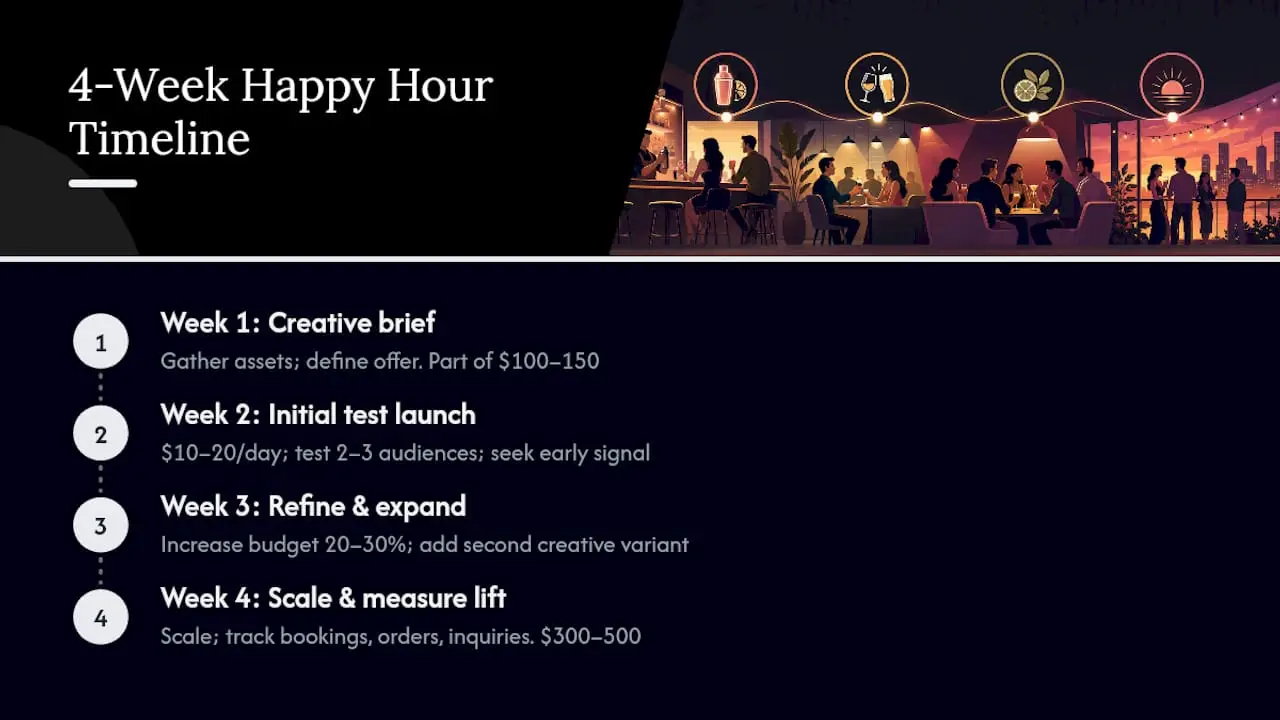
Week three: refine and expand. Take your best-performing creative and audience pairing from week two and increase budget by 20-30%. Introduce a second creative variant to test against your winner.
Week four: scale and measure lift. Push budget toward the top-performing ad set, and start comparing bookings, online orders, and any private event inquiries generated during the campaign window against your pre-campaign baseline.
For a typical four-week pilot, a reasonable budget allocation looks like $100-150 in week one and two combined for testing, scaling to $300-500 by week four once you’ve identified what works. Restaurants running structured digital ad campaigns generally see ROAS improve as they move from broad testing to targeted scaling, though results vary by market and offer strength.
Ion Hospitality typically measures happy hour campaign lift through three lenses: direct bookings tied to the promotion, online order volume during the promoted window, and private event inquiries that surface once a restaurant’s visibility increases in a local market. Case study specifics and author credentials for this playbook are available on request through a direct consultation.
What Actually Works in Restaurant Happy Hour Advertising
The biggest misconception owners have about happy hour ads is that the deal has to be aggressive to work. It doesn’t. What actually drives repeat traffic is consistency and clarity, the same $5 margarita, the same 4-6 PM window, week after week, so regulars build it into their routine without having to think about it.
The pitfall I see most often is restaurants treating happy hour as a discount tool for their entire menu instead of a narrow, controlled offer. Discounting core entrees alongside drinks erodes margin fast, and running an “always-on” happy hour with no real end time trains customers to ignore your urgency messaging entirely, since fake or perpetual urgency tends to backfire once people notice the deal never actually ends.
One small creative change that tends to produce outsized results: switching from a text-heavy graphic to a single clean photo with minimal overlay. Restaurants that simplify their creative this way often see engagement climb, not because the offer changed, but because the ad finally gives the scroller something worth stopping for. Batchable drinks and shareable food, pitchers and nachos over individually plated entrees, also tend to photograph better and move faster through the kitchen, which keeps both your creative and your service line working in your favor.
How Ion Hospitality Builds Happy Hour Campaigns That Fill Seats
Running happy hour ads well takes more than a good photo and a boosted post. It takes creative built specifically for your menu, targeting tuned to your neighborhood, and someone tracking whether the campaign actually put more people in your seats. That’s the outcome Ionhospitality delivers for restaurants: more bookings, more online orders, and more private event inquiries, without you having to become an ad specialist on top of running your restaurant.
Here’s what that looks like in practice:
- Custom social ad creative built around your actual menu items and brand colors
- Professional photography and video for your happy hour specials and atmosphere
- Geo-targeted campaign setup across Meta Ads and other local channels
- Full campaign management, testing, and reporting so you’re not guessing what’s working
If you’re ready to hand off the creative and targeting work to a team that does this for restaurants every day, book a discovery call and we’ll walk through your current happy hour setup, your goals, and what a first campaign could look like for your venue.
Sources
- DoorDash: Happy Hour promotion ideas
- Tableview: What Is Happy Hour? 2026 Strategies & Menu Ideas for Success
- Voucherify: Field-tested happy hours ideas that will boost your sales
Before publishing any sourced image or template, check the provider’s license page directly, since terms on commercial use and editorial restrictions can change. And always confirm your state and local rules on alcohol advertising before your happy hour campaign goes live.

Add a Comment