
TL;DR:
- Visual content significantly boosts restaurant online sales and customer trust through high-quality images and authentic videos. Incorporating multisensory clips, strategic photo placement, and consistent platform optimization can enhance customer engagement and profitable orders. Building an ongoing content pipeline and leveraging user-generated content create a reliable visual marketing system that drives growth.
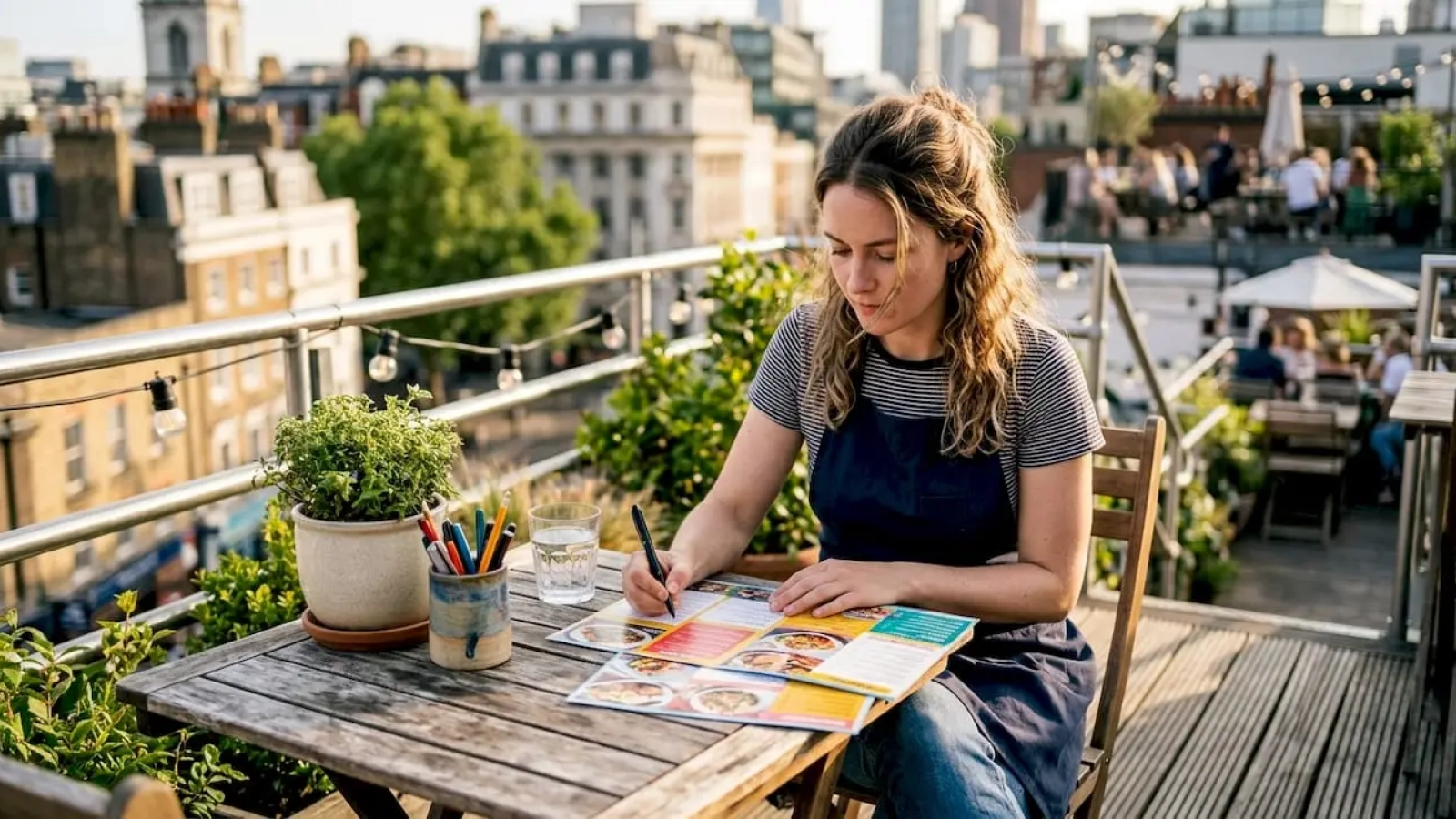
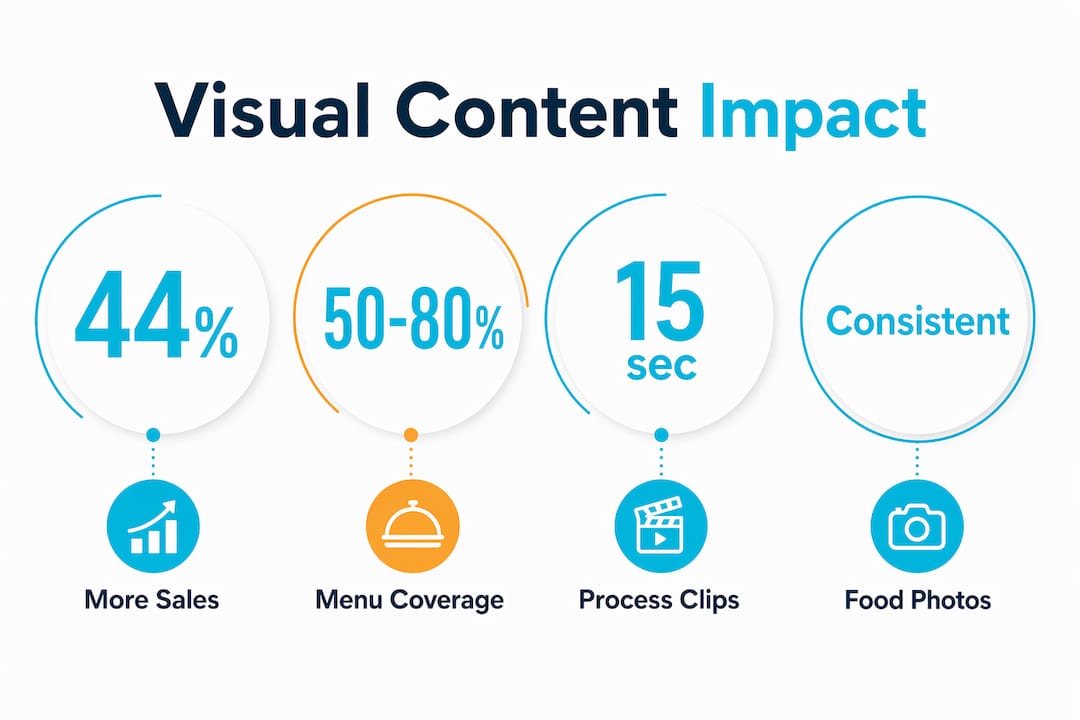
Visual content is the single most powerful conversion tool a restaurant has. Before a customer walks through your door or taps “add to cart,” they decide with their eyes. Research compiled from Snappr enterprise data and DoorDash shows that menus with item photos boost delivery conversions by about 25% and total orders by more than 35%. Individual items with photos generate up to 44% more monthly sales than photo-less items. That is not a design preference. That is revenue. Understanding why restaurants use visual content is not optional anymore. It is the foundation of every smart restaurant marketing strategy in 2026.
Why restaurants use visual content to reduce uncertainty and build trust
Customers cannot taste, smell, or touch your food before they order online. That gap creates anxiety. Anxiety kills conversions. Visual content solves this problem directly.
Visuals substitute for sensory inputs customers cannot access online. When someone sees a glossy, well-lit photo of your short rib ragu, their brain fills in the texture, warmth, and aroma. The dish feels predictable and safe. That feeling drives the click. Studies from restaurant-tech platforms confirm that high-quality photos reduce uncertainty and increase online order conversions by 10–30%. That range is significant. It means a restaurant doing $50,000 a month in online orders could add $5,000 to $15,000 just by improving its imagery.
The most effective visuals in 2026 go beyond static food shots. Multisensory content includes four types that build trust at a deeper level:
- Motion clips showing a sauce being poured or cheese being pulled
- Presence shots featuring real hands, real staff, and real kitchen moments
- Process content like prep sequences and clean kitchen walkthroughs
- ✅ Honest visuals that match what actually arrives at the table
Each of these signals quality and care. They work as visual evidence, not just decoration. A 10-second clip of your chef plating a dish tells a customer more than three paragraphs of menu copy ever could.
Pro Tip: Film one 15-second “process clip” per week in your kitchen. Show the pour, the fold, the flame. Post it raw and unfiltered. Authenticity outperforms polish on every major platform right now.
The role of food photography in building this trust cannot be overstated. When your photos are consistent, well-lit, and honest, customers arrive with accurate expectations. Accurate expectations mean fewer complaints, better reviews, and more repeat visits.
How visuals sell experiences and moments, not just dishes
The best restaurant marketing does not sell food. It sells a feeling. Visual storytelling is the mechanism that makes that possible.
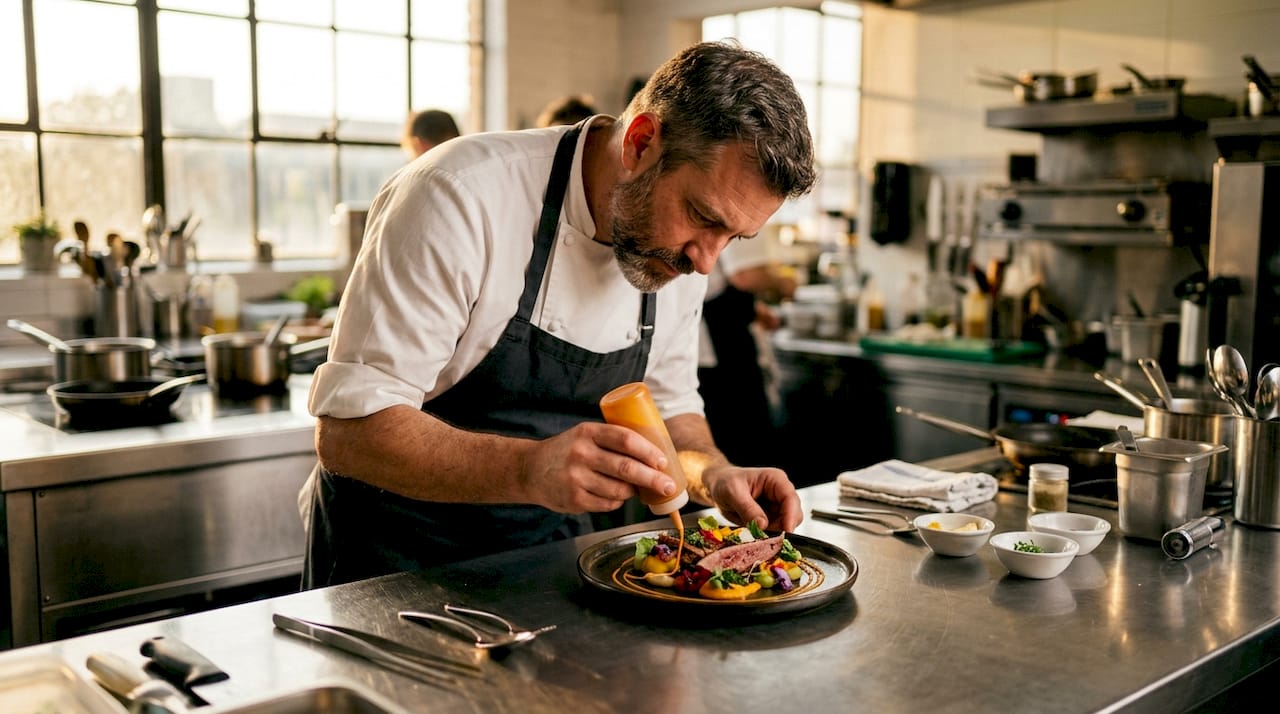
Visual content evokes mood and aligns with how consumers actually make decisions. People choose emotionally first, then justify logically. A photo of a candlelit table with two glasses of wine does not describe your pasta. It sells a date night. A shot of a crowded Sunday brunch with sunlight pouring through the windows sells belonging and energy. That emotional trigger is what gets people off the couch and into your seats.
Here is what strong visual storytelling looks like in practice:
- Ambiance shots that capture lighting, decor, and the feel of the room
- Occasion content showing birthday celebrations, anniversaries, and group dinners
- ️ Behind-the-scenes clips of your team prepping for a packed Saturday night
- User-generated content reposted from real customers enjoying real meals
User-generated content (UGC) deserves special attention. When a real customer posts a photo of your burger and you share it, that image carries social proof no professional shoot can replicate. It says: real people come here, enjoy this, and want to share it. That signal is powerful for how visuals attract restaurant customers who are on the fence.
Brand identity also lives in your visual choices. The filters you use, the colors you feature, the way you frame your dishes. All of it communicates who you are before a customer reads a single word. Consistency across Instagram, your website, and your delivery app listings makes your brand feel established and trustworthy.
How to use menu photo placement to guide what customers order
Menu design is an information system. Where you place photos, and which items you photograph, directly shapes what customers order. This is behavioral science applied to your bottom line.
High-contrast image placement guides where customers look first. Put a strong photo next to your highest-margin item and you increase the odds of that item being ordered. This is not accidental. It is a deliberate design choice that top restaurant groups use every day.
The table below shows the key differences between effective and ineffective menu photo strategies:
| Approach | Effective | Ineffective |
|---|---|---|
| Photo coverage | 50–80% of menu items | Every single item or fewer than 20% |
| Image quality | Professional or well-lit phone shots | Blurry, dark, or mismatched photos |
| Placement | Near high-margin or signature items | Random or decorative placement |
| Consistency | Uniform style and lighting across photos | Mixed styles from different sources |
| Platform fit | Cropped and sized for each platform | One-size-fits-all image files |
Optimal photo coverage sits between 50–80% of your items. Below that range, customers feel uncertain about unphoto’d dishes. Above it, menus start to look cluttered or low-budget. The sweet spot signals confidence without overwhelming the eye.
The most common mistake is photographing every item with inconsistent quality. One sharp professional shot next to a blurry phone photo destroys the credibility of both. If you cannot photograph everything well, photograph selectively. Selective photo coverage where images reduce uncertainty works better than blanket coverage with mixed results.
Pro Tip: Identify your top three highest-margin items and make sure each has a scroll-stopping photo. Place those photos at the top of their category section. That single change can shift your sales mix within weeks.
Practical steps to build your restaurant’s visual content pipeline
Knowing why visuals matter is one thing. Building a system to produce them consistently is another. Here is how to do it without a full production crew.
-
Audit your current visuals. Pull up your Google Business Profile, your delivery app listings, and your Instagram. Are the photos current? Do they match your actual menu? Are they well-lit? Most restaurants find at least 30% of their images are outdated or low quality.
-
Optimize for each platform’s specs. Delivery app photo requirements vary by platform. DoorDash, Uber Eats, and Grubhub each have specific aspect ratios and crop zones. An image that looks great on your website may cut off the food entirely on a delivery app thumbnail. Resize and reformat every image for each platform individually.
-
Build a weekly content pipeline. You do not need a photoshoot every week. You need a system. Assign one team member to capture three to five clips per week during prep or service. Focus on motion, hands, and process. These short clips feed your Instagram Reels, TikTok, and Google posts for weeks.
-
Mix professional and authentic content. Hire a food photographer for your hero shots, the images that anchor your menu and website. Fill the gaps with honest, behind-the-scenes content shot on a phone. The combination of polished and real builds both credibility and relatability.
-
Repost and amplify user-generated content. Ask happy customers to tag you. Create a branded hashtag. When someone posts a great shot of your food, share it with credit. UGC costs nothing and performs exceptionally well because it is inherently trustworthy.
-
Track what converts. Use your delivery app analytics and Instagram Insights to see which images drive the most clicks and orders. Double down on the formats and subjects that perform. Cut what does not.
The benefits of restaurant imagery compound over time. A strong visual library built over six months becomes a competitive asset that new competitors cannot replicate overnight.
Key takeaways
Visual content in restaurants is a direct revenue driver, not a branding afterthought. Restaurants that treat imagery as a conversion tool see measurable lifts in orders, bookings, and customer trust.
| Point | Details |
|---|---|
| Photos drive orders | Items with photos generate up to 44% more monthly sales than photo-less items. |
| Trust comes from authenticity | Multisensory clips showing process and people build more trust than staged food shots alone. |
| Placement shapes buying behavior | Photos placed near high-margin items guide customer choices and increase profitable orders. |
| Coverage sweet spot matters | Aim for 50–80% photo coverage on menus to avoid clutter while reducing customer uncertainty. |
| Platform optimization is non-negotiable | Resize and reformat every image to match each delivery app’s specific crop and aspect ratio. |
What I have learned after years of restaurant visual marketing
The restaurants I see struggle most with visual content share one trait: they treat it as a one-time project. They hire a photographer once, post the photos everywhere, and wonder why engagement drops off after a month.
Visual content is not a campaign. It is an ongoing operation. The restaurants winning right now on Instagram and DoorDash are the ones producing fresh content every single week. Not polished ad campaigns. Short, honest clips of real food being made by real people. A bartender shaking a cocktail. A line cook plating a dish during a Friday rush. That kind of content builds a relationship with your audience that no ad spend can buy.
I also see owners underestimate the impact of platform-specific optimization. They upload one photo to every platform and call it done. But a square crop that looks great on Instagram cuts off the top of your dish on a DoorDash listing. That small technical failure costs you clicks every single day.
The standard for visual content in 2026 is higher than it was two years ago. Customers scroll past average. They stop for something that feels real, looks great, and makes them hungry. If your visuals are not doing all three, you are leaving money on the table. The good news is that fixing this does not require a big budget. It requires consistency, a clear strategy, and the willingness to show your kitchen honestly. Start there.
— Doug
Ready to turn your visuals into a full customer acquisition system?
Great visual content is the spark. A full social media advertising strategy is what turns that spark into a steady stream of customers and private event bookings. At Ionhospitality, we build and run complete restaurant social media advertising programs for restaurant owners who want more covers, more online orders, and more private events without managing it themselves.
We handle content creation, ad targeting, and performance tracking. You focus on running your restaurant. If you want to see what a done-for-you visual marketing system looks like for your specific concept, book a discovery call with our team. No commissions. No guesswork. Just results.
FAQ
Why do restaurants use visual content in their marketing?
Restaurants use visual content because it substitutes for the sensory experience customers cannot access online. Photos and videos reduce ordering anxiety and increase conversions by 10–30% on delivery platforms.
How much do food photos increase restaurant sales?
Items with photos generate up to 44% more monthly sales than items without photos. Menus with photo coverage also increase total delivery app orders by more than 35%.
What types of visuals work best for restaurant marketing?
The most effective visuals combine professional food photography with authentic process and presence clips. Motion content showing preparation, real staff, and honest kitchen moments builds the deepest customer trust.
How many photos should a restaurant menu include?
Photo coverage between 50–80% of menu items is the recommended range. Too few photos leave customers uncertain. Too many can make the menu look cluttered or low-quality if the images are inconsistent.
Does user-generated content help restaurant marketing?
Yes. User-generated content carries social proof that professional photography cannot replicate. Reposting real customer photos signals to potential diners that real people enjoy your food and want to share it.

Add a Comment